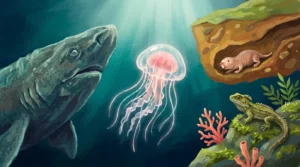

You can learn a lot about biology by studying creatures that outlive humans by centuries. While human life expectancy hovers around eighty years, the natural world holds secrets to biological immortality and extraordinary longevity. Deep within freezing oceans and across isolated island chains, certain species have evolved mechanisms to halt cellular aging and survive for hundreds of years. Exploring animal lifespan reveals fascinating wildlife facts about survival, slow metabolisms, and genetic resilience. Whether you are observing deep-sea dwellers or ancient reptiles, understanding these animals provides valuable insights into how nature masters the test of time.
The Science of Longevity: How Do They Do It?
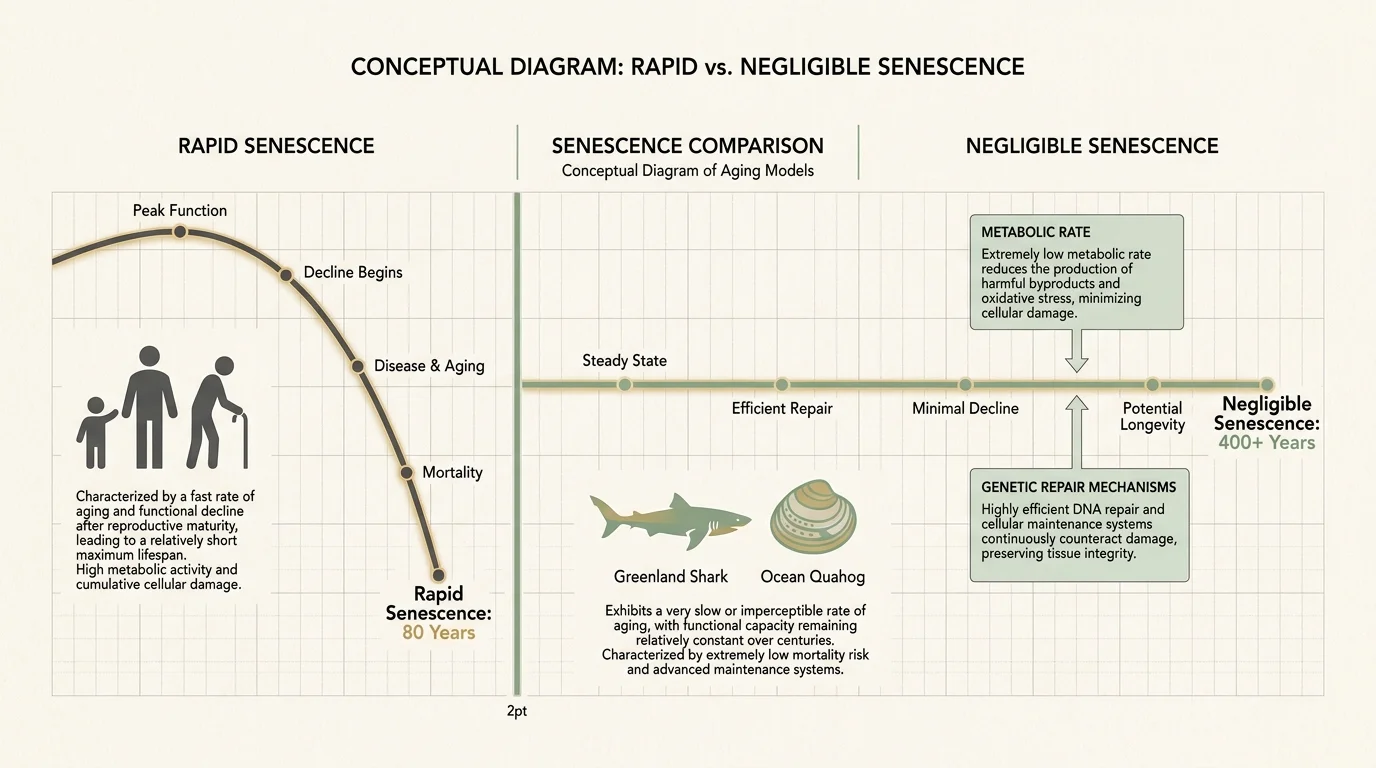
Scientists categorize the aging process into two distinct groups when examining exceptionally long-lived species. Many animals experience rapid senescence, which involves the progressive deterioration of cellular function over time. However, the creatures on this list exhibit what researchers call negligible senescence; they show almost no signs of biological aging even as they pass their first century of life. You might wonder how a sea creature or a reptile manages to outlast human civilizations. The answer usually lies in a combination of metabolic rate, environmental temperature, and genetic repair mechanisms.
Animals living in near-freezing environments, such as the deep waters of the Arctic and Pacific oceans, maintain extremely slow metabolisms. A slower metabolic rate means fewer free radicals are produced, reducing cellular damage over the decades. Furthermore, these species often possess advanced genetic traits that continually repair DNA and resist cancer. When you study these incredible animals, you uncover evolutionary blueprints that could eventually inform human medicine. By sequencing the genomes of animals like the bowhead whale and the Greenland shark, scientists hope to isolate the exact proteins responsible for halting cellular decay. This research holds the potential to revolutionize how you view the biological limits of life on Earth.
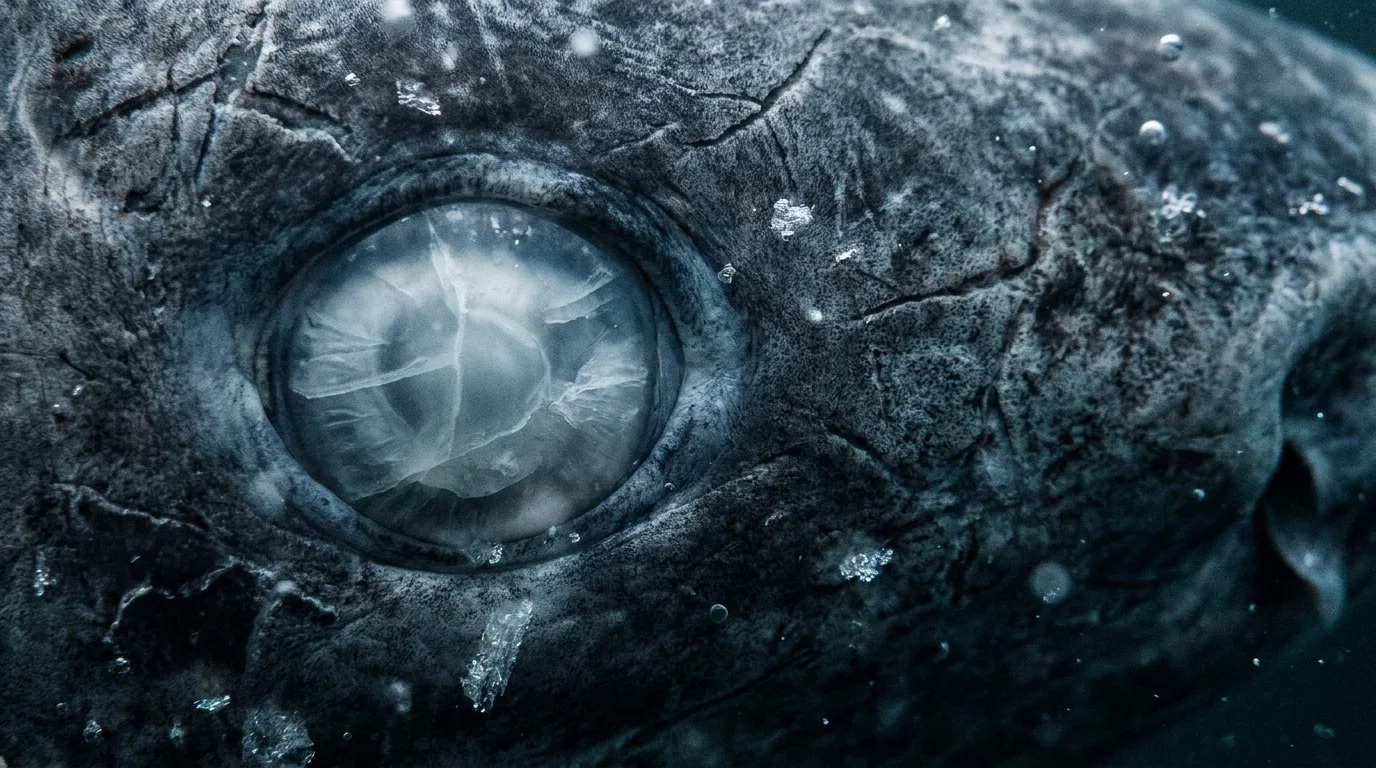
1. Greenland Shark: The Century-Old Swimmers
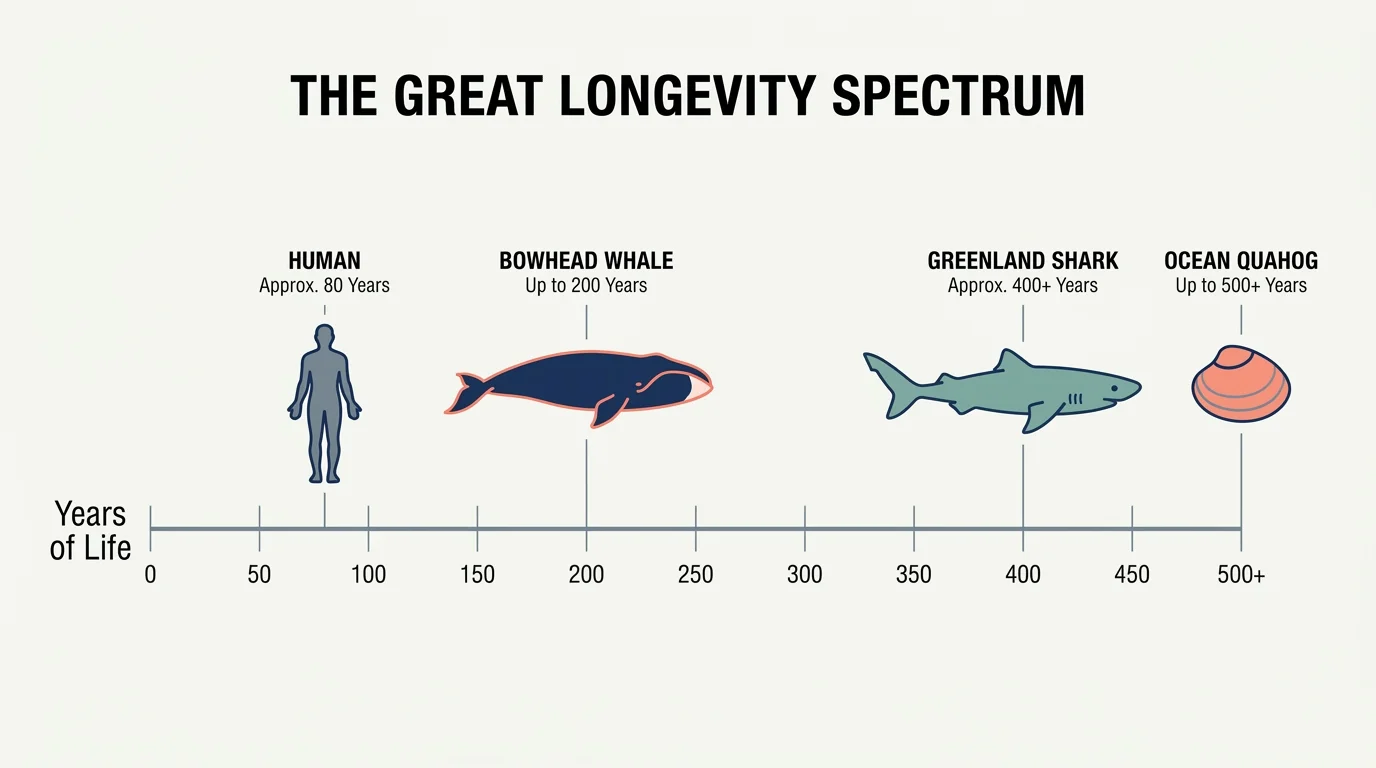
The Greenland shark glides through the frigid waters of the North Atlantic and Arctic Oceans, living a life of extreme isolation and remarkable endurance. Researchers estimate that these elusive predators can live for more than four hundred years, making them the longest-living vertebrates on the planet. To determine their age, marine biologists utilize radiocarbon dating on the proteins formed inside the shark’s eye lenses before birth. The results consistently reveal life spans stretching across centuries.
Their secret to longevity is closely tied to the freezing temperatures of their habitat, which naturally suppress their metabolic rate. A Greenland shark grows at a painstakingly slow pace—roughly one centimeter per year—and does not even reach sexual maturity until it is around one hundred and fifty years old. You can appreciate their survival strategy as a masterclass in energy conservation. Every movement is calculated, ensuring no energy is wasted in an environment where food can be scarce. Because they develop so slowly, their populations are incredibly vulnerable to overfishing and bycatch. By supporting international marine conservation agreements and opting to eat responsibly sourced seafood, you help ensure these ancient sharks continue to silently patrol the icy depths as they have for millennia.
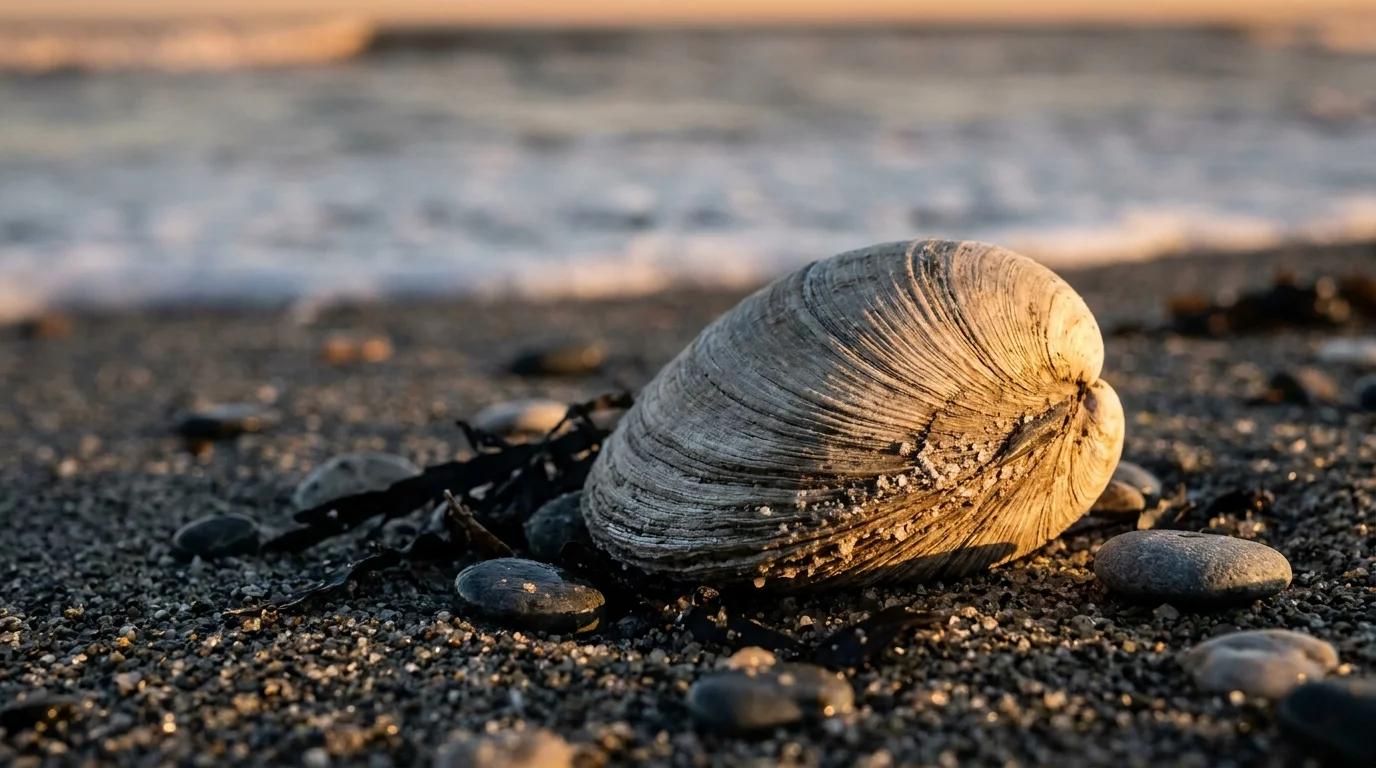
2. Ocean Quahog: Centuries in a Shell
You might easily overlook the ocean quahog if you spotted its unassuming shell on a beach, but this marine bivalve holds one of the most astonishing lifespan records in the animal kingdom. Native to the cold waters of the North Atlantic, the ocean quahog frequently lives beyond four hundred years. In 2006, researchers dredging the waters off the coast of Iceland discovered an ocean quahog they later named Ming; sclerochronology, the practice of counting the growth bands on the shell, revealed that Ming was an incredible 507 years old.
These precise growth rings function much like the rings of a tree, capturing an environmental record of the ocean’s temperature and chemical composition over half a millennium. The quahog achieves this immense lifespan by maintaining a remarkably low oxygen consumption rate, allowing its cells to avoid the oxidative stress that typically accelerates aging in other organisms. You can directly impact the survival of the ocean quahog and similar benthic creatures by advocating against destructive ocean dredging practices. Heavy trawling equipment easily wipes out entire generations of these slow-growing mollusks in a single sweep, destroying centuries of marine history in mere moments.
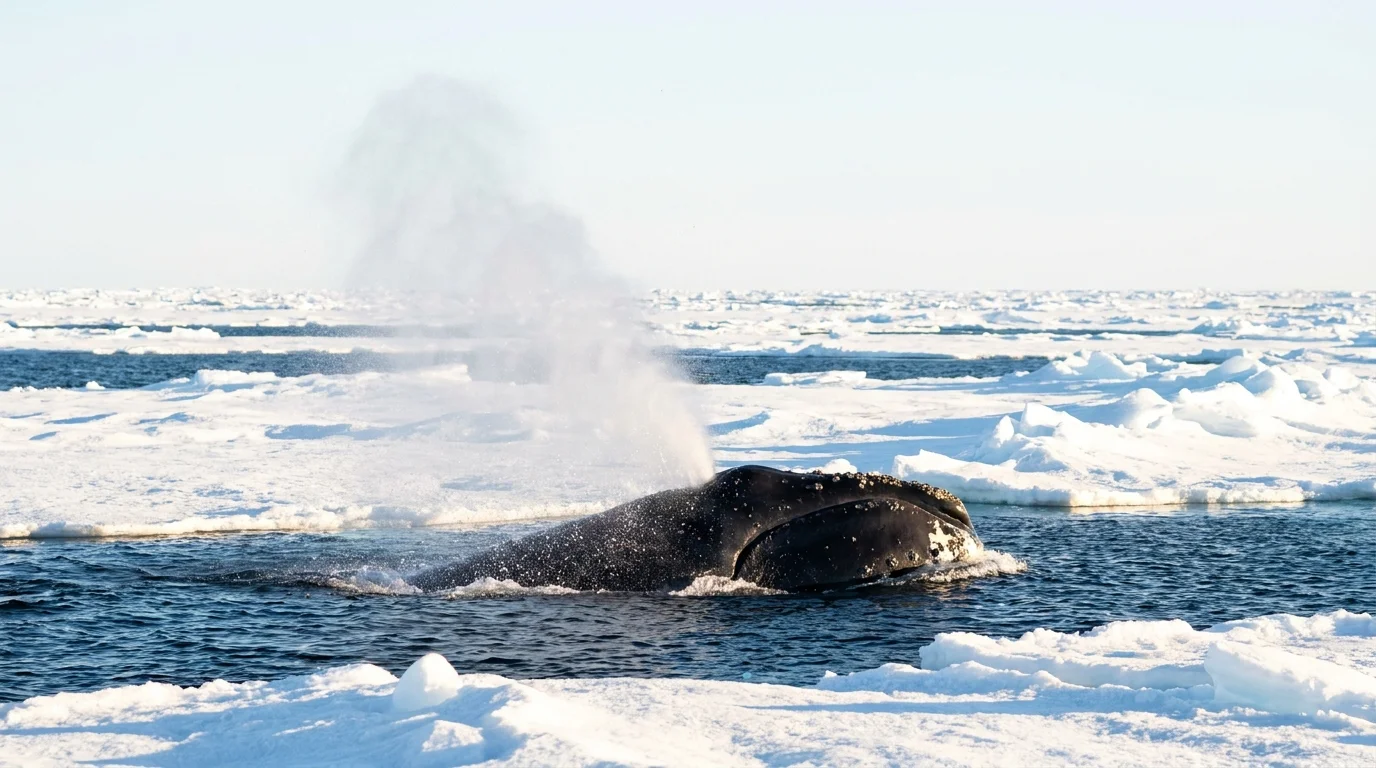
3. Bowhead Whale: The Arctic Giants
The bowhead whale commands the icy waters of the Arctic with a massive, robust frame designed to break through thick sea ice. These majestic marine mammals can live well over two hundred years. Scientists initially suspected their extreme longevity when indigenous hunters discovered nineteenth-century stone and ivory harpoon tips embedded deep within the blubber of newly harvested whales. Later, sophisticated analysis of amino acids in the whales’ eye lenses confirmed their bicentennial lifespans.
Surviving for centuries in harsh, freezing waters requires more than just a thick layer of blubber. Bowhead whales possess a highly specialized genome containing unique mutations in the ERCC1 gene, which is directly responsible for repairing damaged DNA and preventing tumor growth. Despite having thousands of times more cells than a human, the bowhead whale almost never develops cancer, a phenomenon known as Peto’s paradox. You can help safeguard their future by supporting organizations that monitor commercial shipping lane regulations and enforce the Marine Mammal Protection Act. As Arctic ice continues to melt and shipping traffic increases, minimizing underwater noise pollution and preventing ship strikes are vital actions necessary to shield these gentle giants from modern industrial threats.
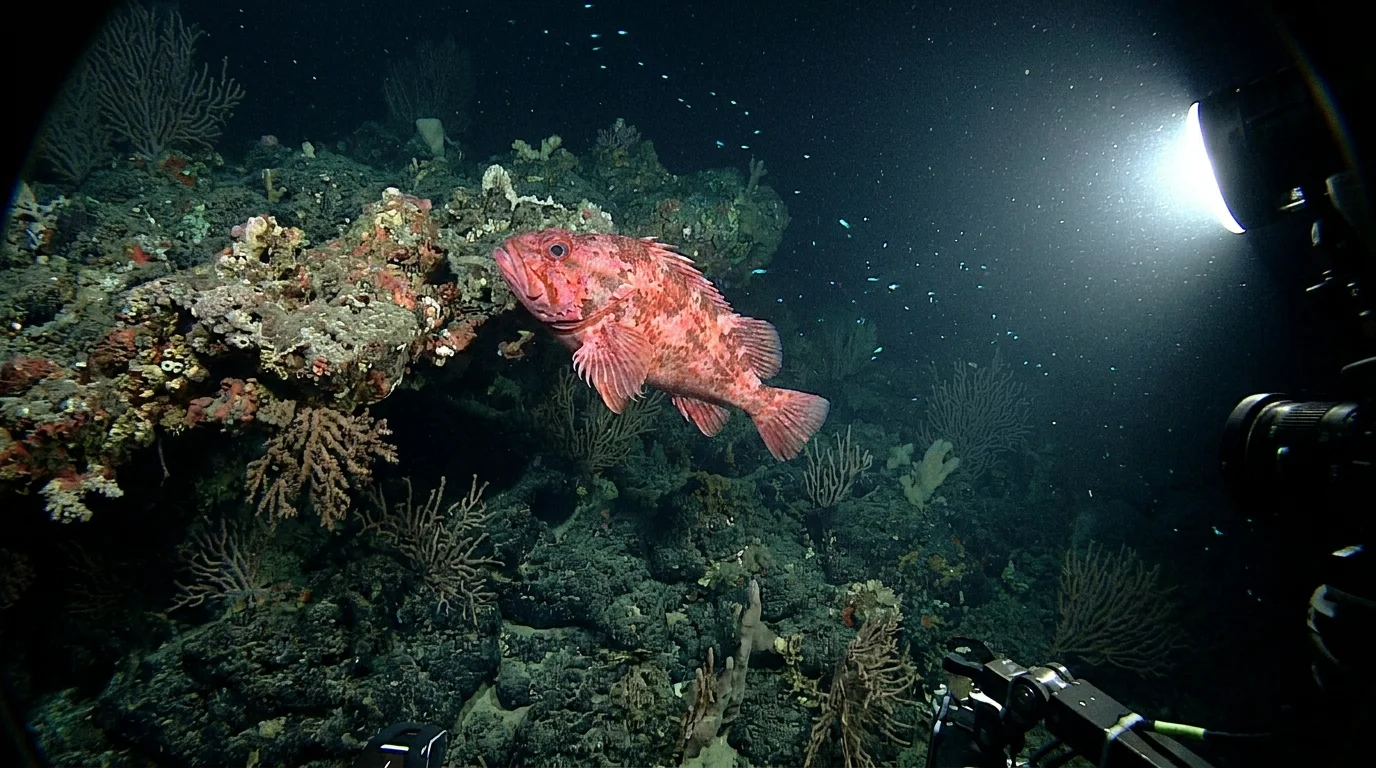
4. Rougheye Rockfish: The Deep-Sea Survivors
If you cast a line into the deep, cold waters of the North Pacific, you might encounter the rougheye rockfish, a species renowned for its incredible lifespan. These fish thrive at depths ranging from five hundred to almost fifteen hundred feet, living solitary, slow-paced lives. Researchers age rougheye rockfish by examining their otoliths, which are small calcareous ear bones that accumulate seasonal growth rings. Using this precise method, scientists have verified individual rougheye rockfish living up to 205 years.
Unlike many other species that experience a decline in reproductive capability as they age, the rougheye rockfish shows absolutely no signs of reproductive senescence. An eighty-year-old female produces viable eggs just as effectively, if not more so, than a twenty-year-old female. Their longevity is intrinsically linked to the dark, freezing waters they inhabit, which slow their biological clocks to a crawl. Because they mature incredibly late and grow very slowly, their populations cannot recover quickly from intense commercial harvesting. You can actively protect these deep-sea survivors by utilizing consumer seafood guides and choosing sustainably harvested fish. Avoiding deep-water trawled fish reduces market demand that drives the overexploitation of fragile deep-water habitats.
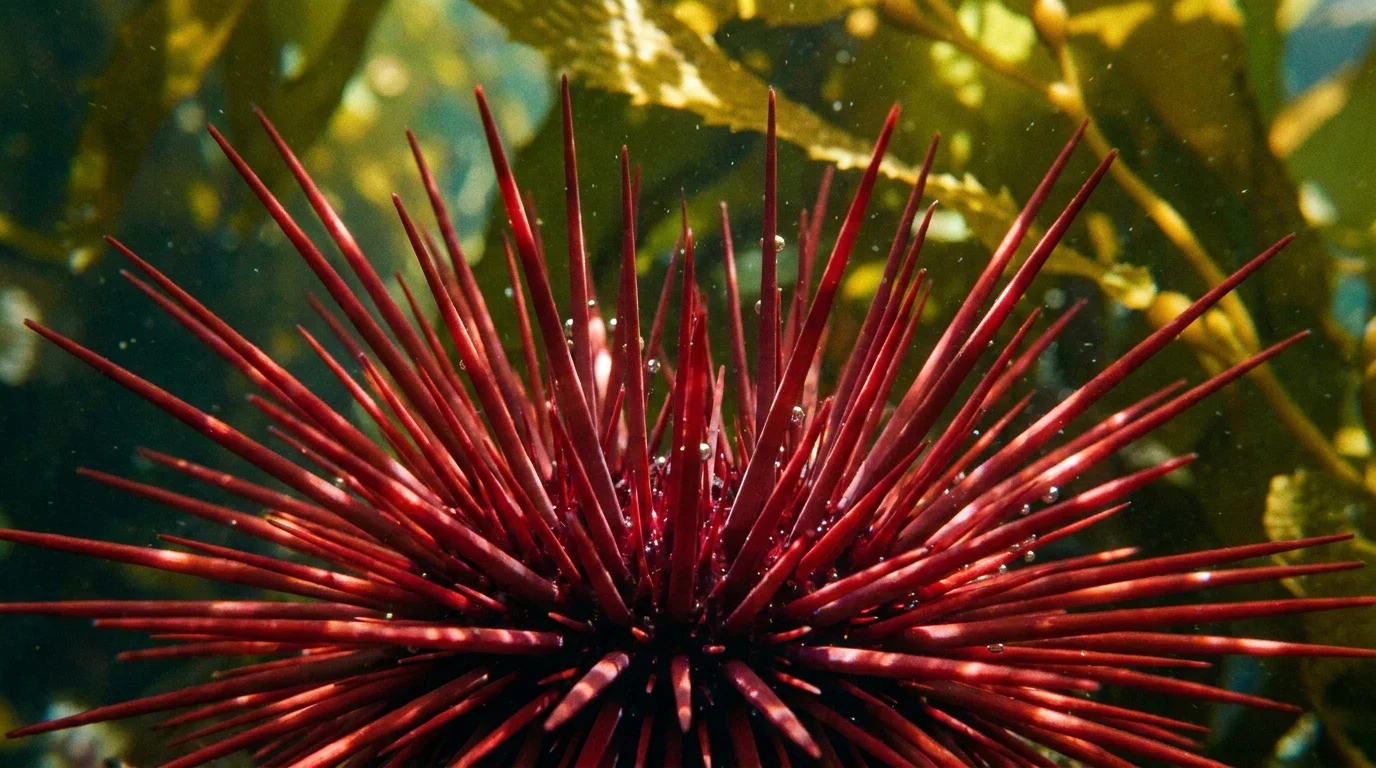
5. Red Sea Urchin: The Immortal Invertebrate
The red sea urchin transforms the rocky coastal waters of the northeastern Pacific into vibrant kelp forest ecosystems. Do not let their spiky, primitive appearance fool you; these marine invertebrates possess a lifespan that stretches past two hundred years. For decades, marine biologists assumed red sea urchins lived no longer than fifteen years. However, advanced carbon-14 dating techniques revealed that these voracious kelp eaters exhibit almost negligible senescence.
A red sea urchin that hatched during the early nineteenth century is likely still crawling along the ocean floor today, eating and reproducing with the exact same vigor it had in its youth. Furthermore, they are highly regenerative organisms capable of repairing lost spines and external appendages throughout their entire adult lives. You can support the longevity of the red sea urchin by getting involved in coastal conservation efforts that protect vital kelp forests. Because these ecosystems rely on a delicate predator-prey balance, maintaining healthy ocean habitats ensures the urchins can continue their seemingly immortal existence undisturbed.
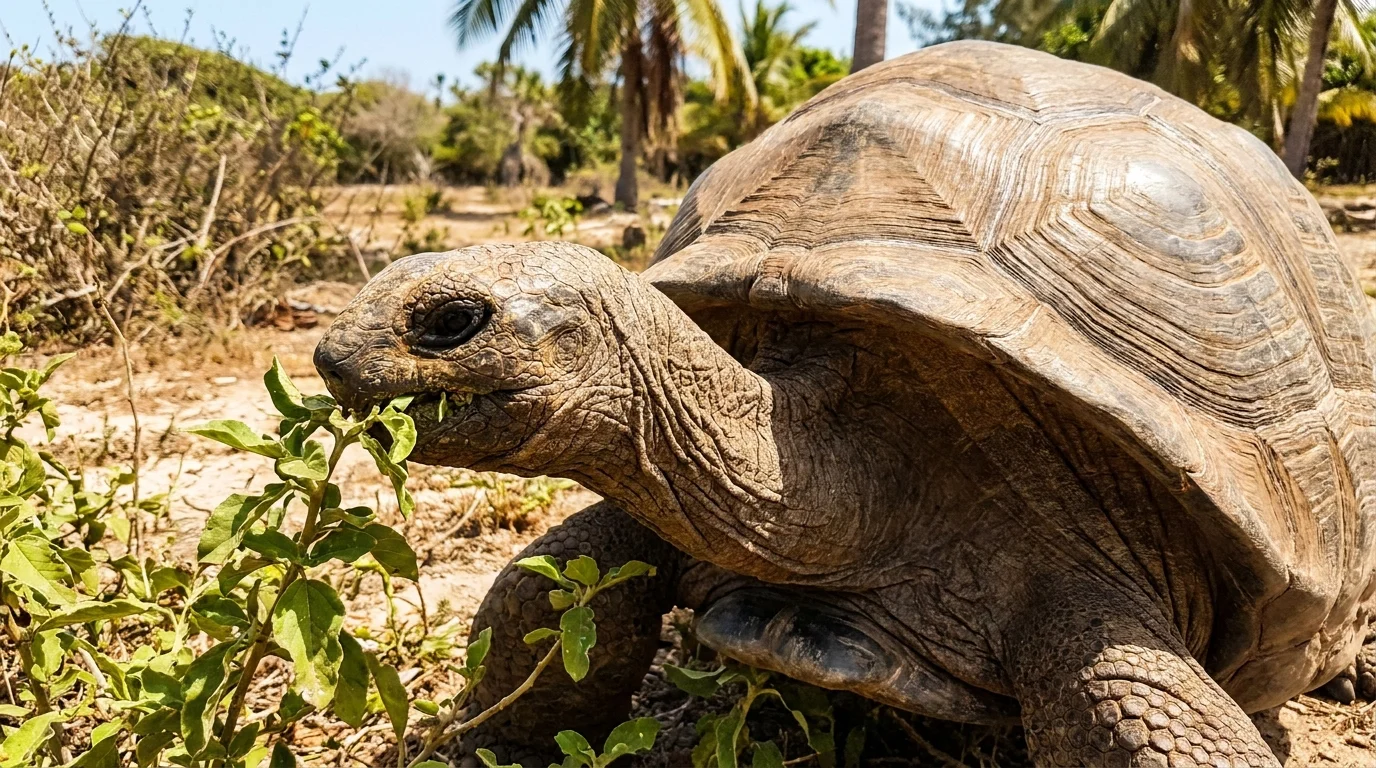
6. Aldabra Giant Tortoise: The Island Elders
When you imagine a famously long-lived animal, the giant tortoise likely comes to mind first. The Aldabra giant tortoise, native to the Aldabra Atoll in the Seychelles, routinely lives past one hundred and fifty years. The most famous living example is Jonathan, a Seychelles giant tortoise residing on the island of St. Helena, whose age has surpassed 190 years, securing his status as the oldest known living land animal.
Their impressive longevity stems from a heavily armored, exceptionally slow-paced lifestyle. As strict herbivores, giant tortoises rely on a fibrous diet that they process through a slow, deliberate digestive system. Their low metabolic rate allows them to survive long periods of drought and resource scarcity, common challenges in their native island environments. Because island ecosystems are notoriously fragile, giant tortoises face significant threats from human encroachment, habitat degradation, and climate change. You can contribute to their survival by supporting eco-tourism initiatives and wildlife foundations dedicated to eradicating invasive predators from vulnerable island chains, ensuring these peaceful reptiles have a safe haven to graze for another century.
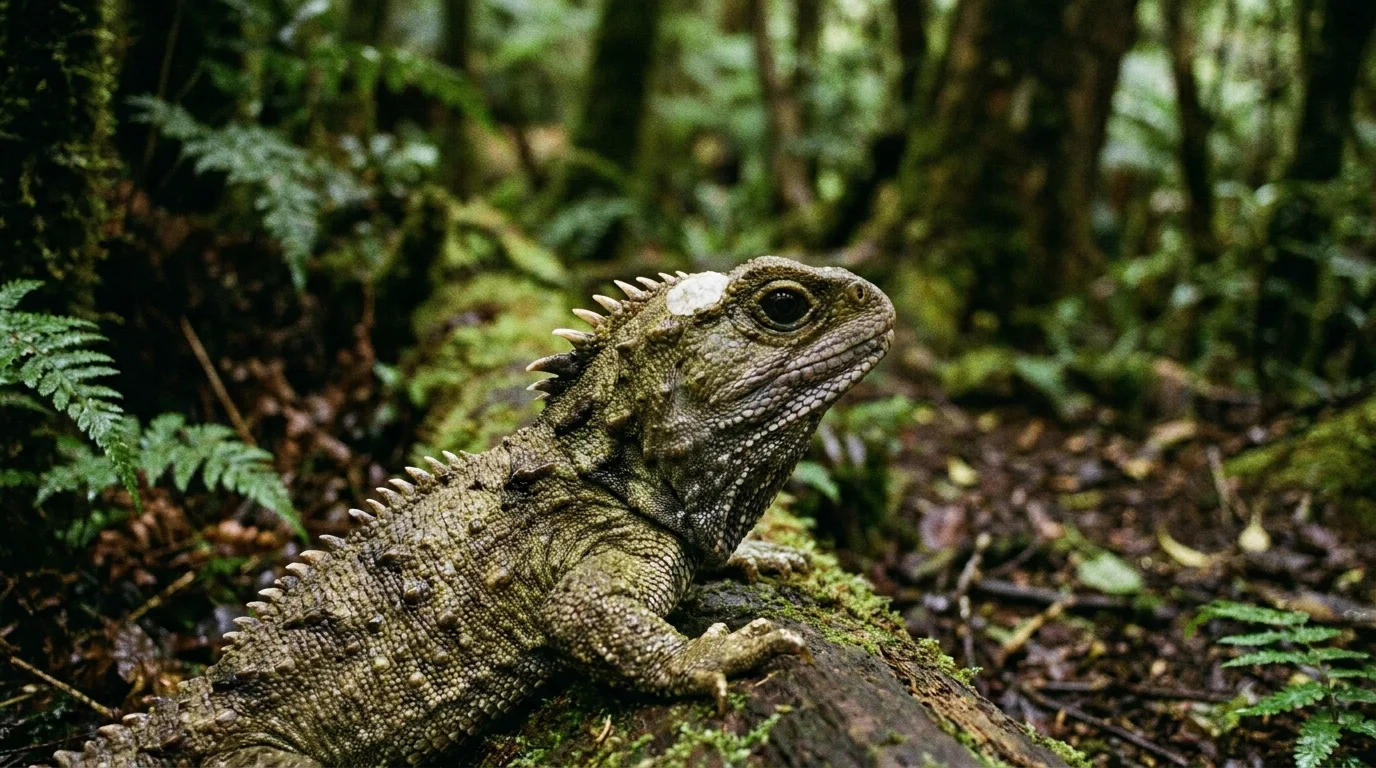
7. Tuatara: The Living Fossil
Endemic to the isolated islands of New Zealand, the tuatara is a genuine living relic. Often mistaken for a common lizard, the tuatara is actually the sole surviving member of the order Sphenodontia, a reptile lineage that thrived alongside early dinosaurs. These fascinating creatures boast a lifespan that can exceed one hundred years, and some scientists believe they could potentially reach up to two centuries under ideal conditions. They grow incredibly slowly, not reaching their full adult size until they are around thirty-five years old.
The tuatara thrives in cool coastal weather, possessing one of the lowest optimal body temperatures of any reptile on Earth. This low body temperature results in a drastically reduced metabolic rate, which contributes heavily to their longevity. Unfortunately, the introduction of non-native species, specifically rats, heavily decimated mainland tuatara populations by preying on their vulnerable eggs. You can help preserve this ancient lineage by respecting strict biosecurity measures when traveling to sensitive ecological regions. Making sure you do not accidentally transport invasive pests in your luggage directly protects the delicate island habitats where the tuatara still roams.
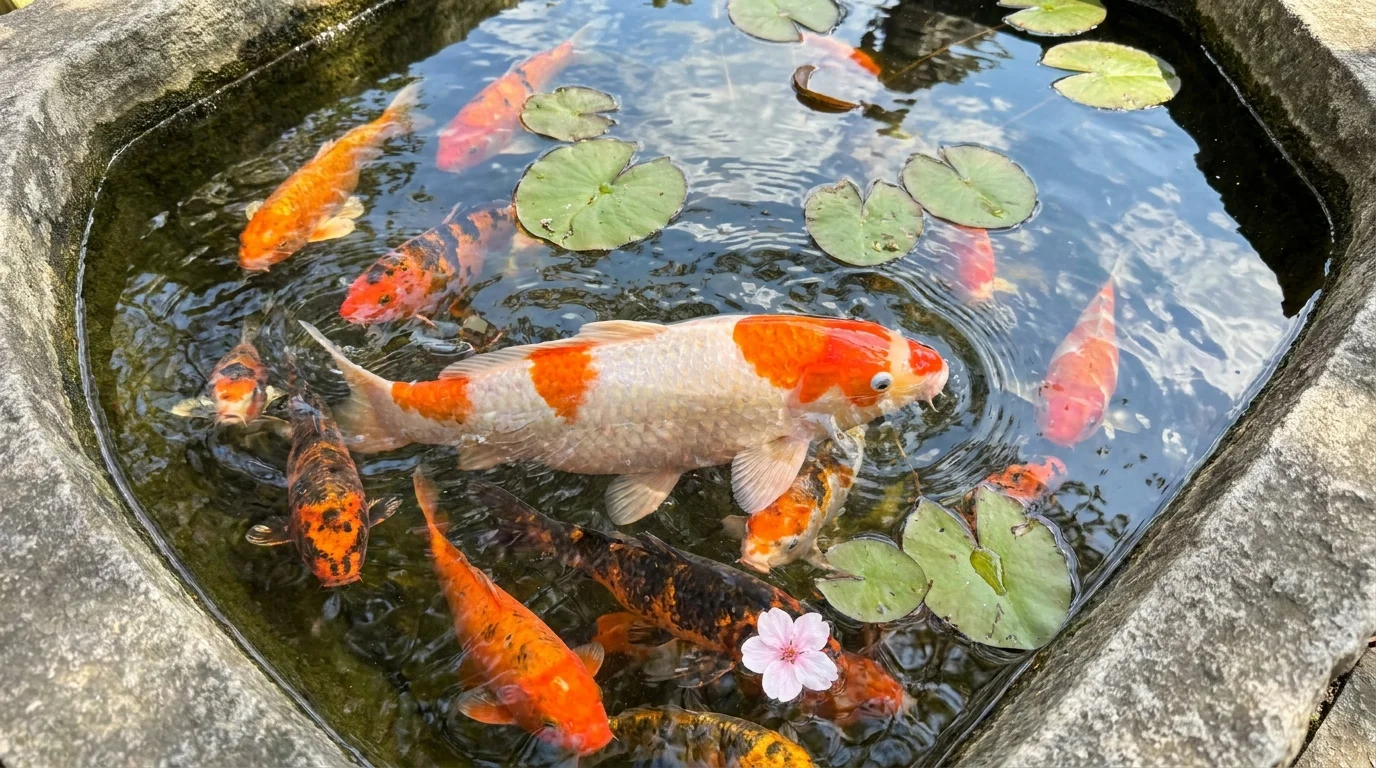
8. Koi Fish: The Generational Companions
You have likely seen brightly colored koi fish swimming gracefully in ornamental garden ponds, but you may not realize these popular fish hold secrets to remarkable longevity. While the average lifespan of a domesticated koi in Japan is around forty years, exceptional individuals have lived for over a century when provided with pristine water conditions and meticulous generational care. The most famous example is a scarlet koi named Hanako, whose age was purportedly determined to be 226 years old when she passed away in 1977.
Scientists analyze the microscopic growth rings on a koi’s scales to estimate its age, much like dendrochronologists date the rings of ancient trees. Hanako’s extraordinary lifespan highlights the profound bond that can form between humans and nature, as she was passed down through multiple generations of a single Japanese family. If you plan on building a backyard pond, you must understand that keeping koi is a lifelong commitment. Providing excellent water quality, proper nutrition, strict temperature regulation, and protection from natural predators ensures your aquatic companions have the opportunity to live a full, exceptionally long life alongside your family.
A Comparative Look at Animal Lifespans
To better understand how these remarkable creatures stack up against each other, you can review the data compiled below. Comparing their maximum verified lifespans and the scientific methods used to age them reveals how diverse biological longevity truly is. Notice how cold water marine habitats overwhelmingly dominate the list, reinforcing the scientific link between low environmental temperatures, suppressed metabolic rates, and extended cellular life. You will see that whether you are looking at eye lenses or tree-like growth rings, scientists use highly specialized techniques to unlock the secrets of these animals’ ages.
| Animal Species | Maximum Known Lifespan | Native Habitat | Primary Age Verification Method |
|---|---|---|---|
| Greenland Shark | 400+ years | Arctic and North Atlantic Oceans | Eye lens radiocarbon dating |
| Ocean Quahog | 507 years | North Atlantic Ocean | Sclerochronology (shell rings) |
| Bowhead Whale | 200+ years | Arctic Ocean | Eye lens amino acid analysis |
| Rougheye Rockfish | 205 years | North Pacific Ocean | Otolith (ear bone) rings |
| Red Sea Urchin | 200+ years | Northeastern Pacific Ocean | Carbon-14 dating |
| Aldabra Giant Tortoise | 190+ years | Seychelles / Island Atolls | Historical documentation |
| Tuatara | 100+ years | New Zealand | Longitudinal observation |
| Koi Fish | 226 years (purported) | Freshwater Ponds (Japan) | Scale growth ring analysis |
How You Can Support Long-Lived Wildlife
Learning about animal lifespan provides a unique perspective on our environmental responsibilities. Because these creatures mature slowly and reproduce late in life, they are exceptionally vulnerable to sudden environmental shifts and human interference. You can take immediate, practical steps to protect these ancient species and their habitats.
- Choose sustainable seafood: Deep-sea fish like the rougheye rockfish are frequently caught as unintended bycatch. You should use reputable seafood watch guides to ensure your culinary purchases do not support destructive bottom-trawling operations that decimate fragile deep-water populations.
- Advocate for habitat preservation: Ocean quahogs and red sea urchins require undisturbed sea floors and healthy kelp forests to thrive. Support non-profit organizations that aggressively fight against commercial dredging, coastal pollution, and unchecked industrial runoff.
- Practice strict biosecurity: When you travel to remote islands, such as New Zealand or the Galapagos, rigorously clean your hiking boots and luggage. This crucial habit prevents the accidental introduction of invasive rodents and insects that destroy the eggs of the tuatara and giant tortoises.
- Commit to responsible pet ownership: If you decide to keep exotic pets like koi fish or certain long-lived reptiles, you must prepare for a decades-long commitment. Establish long-term care plans, document their needs for future caretakers, and never release unwanted domestic pets into local wild ecosystems.
The Value of Studying Animal Longevity
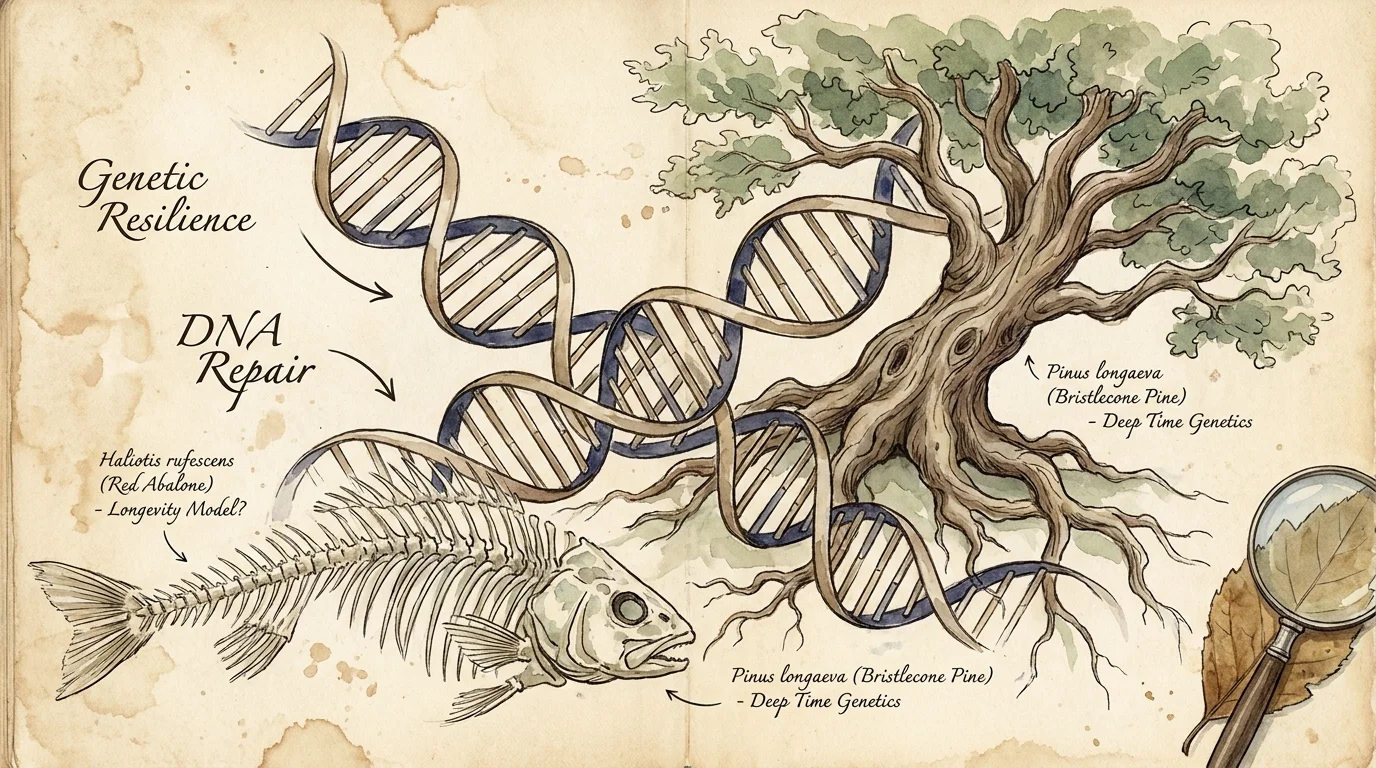
Observing animals that outlast human history forces you to reconsider your place within the natural world. These long-lived species act as living time capsules, capturing centuries of ecological data within their shells, bones, and DNA. By protecting them, you preserve invaluable biological libraries that hold the secrets to disease resistance, cellular regeneration, and sustainable life. Conserving their remote habitats guarantees that future generations of scientists can continue decoding the complex biological mechanisms of aging. Every time a researcher discovers a new longevity gene in a bowhead whale or a regenerative trait in a red sea urchin, humanity takes a step closer to understanding the fundamental rules of life itself. Ultimately, safeguarding the environments that harbor these ancient creatures ensures that the complex, slow-moving masterpieces of evolutionary biology are not erased by short-sighted human activities.