
Imagine enduring the scorching heat of the Mojave Desert or the parched plains of the Australian Outback without a drop of water for months—or even years. While human survival without water is measured in mere days, nature has engineered some extraordinary biological workarounds. From amphibians that encase themselves in underground cocoons to rodents that metabolize hydration entirely from dry seeds, extreme arid environments have forced species to evolve remarkable drought-defying adaptations. You will discover exactly how these ten resilient animals manipulate their metabolisms, alter their organ sizes, and harvest moisture from thin air to cheat dehydration. Understanding their unique survival strategies highlights the brilliance of evolution and offers vital lessons for conserving our own precious water resources.
1. The Kangaroo Rat: Manufacturing Its Own Moisture
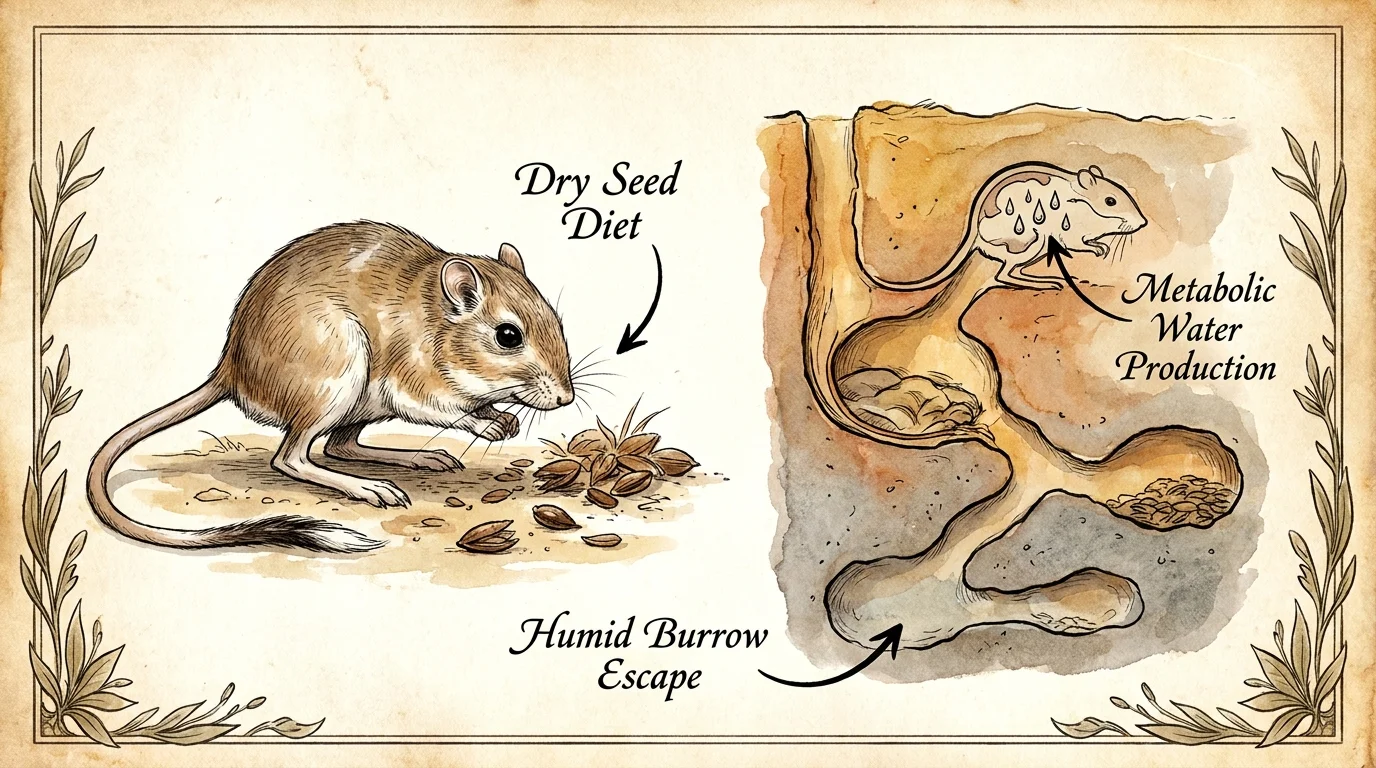
If you venture into the arid expanses of the North American deserts, you might never spot a kangaroo rat drinking from a puddle. According to wildlife experts at the Arizona-Sonora Desert Museum, these remarkable rodents have evolved a survival strategy that completely eliminates their need for liquid water. Throughout their two to five-year lifespans, kangaroo rats sustain themselves almost entirely through a process known as metabolic water production. When they consume their primary diet of dry seeds, their bodies extract the hydrogen from the food and combine it with the oxygen they breathe to manufacture internal hydration.
Their kidneys play a massive role in this biological feat. A kangaroo rat possesses highly efficient kidneys that extract nearly every drop of moisture from their waste before excreting concentrated, paste-like urine. To further minimize moisture loss through respiration, they spend the scorching daylight hours resting in deep, humid underground burrows, only emerging to forage under the cover of darkness.
Actionable Insight: Desert ecosystems are notoriously fragile, and the extensive burrow systems of kangaroo rats sit just beneath the surface. If you drive off-road vehicles or hike in desert regions, always stick to marked trails. By avoiding off-trail exploration, you prevent the collapse of the vital underground shelters these animals rely on to escape the lethal midday heat.
2. The Desert Tortoise: A Walking Water Canteen
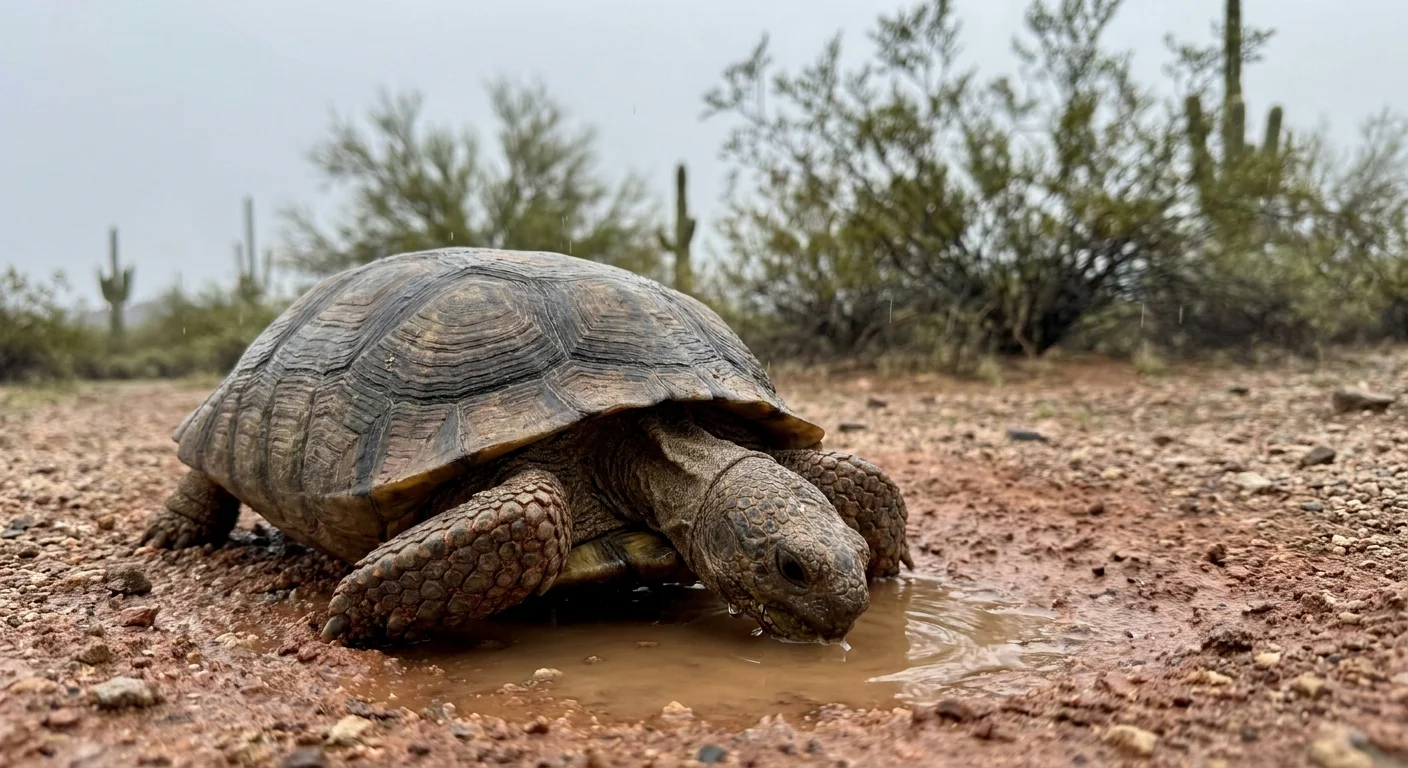
The desert tortoise thrives in the harsh Mojave and Sonoran deserts by treating its own body like a mobile reservoir. These resilient reptiles dig small catch basins in the soil to trap moisture from infrequent rainstorms. Once they drink their fill, they can store incredible volumes of water inside their oversized bladders. A desert tortoise can comfortably survive for up to a year without taking another drink, surviving entirely on the moisture slowly absorbed from its bladder storage.
During the intense summer heat and cold winter months, the tortoise retreats underground, spending up to 95 percent of its long life inside deep burrows. By escaping the sun, the tortoise significantly reduces the evaporation of its carefully hoarded water reserves.
Actionable Insight: If you spot a wild tortoise crossing a road, observe it from a distance and avoid handling it unless it faces immediate vehicular danger. When startled or handled by humans, a defense mechanism causes the tortoise to void its bladder. Losing a year’s worth of stored water in seconds often leads to fatal dehydration in the wild.
3. The Dromedary Camel: Fat Storage and Body Temperature Control
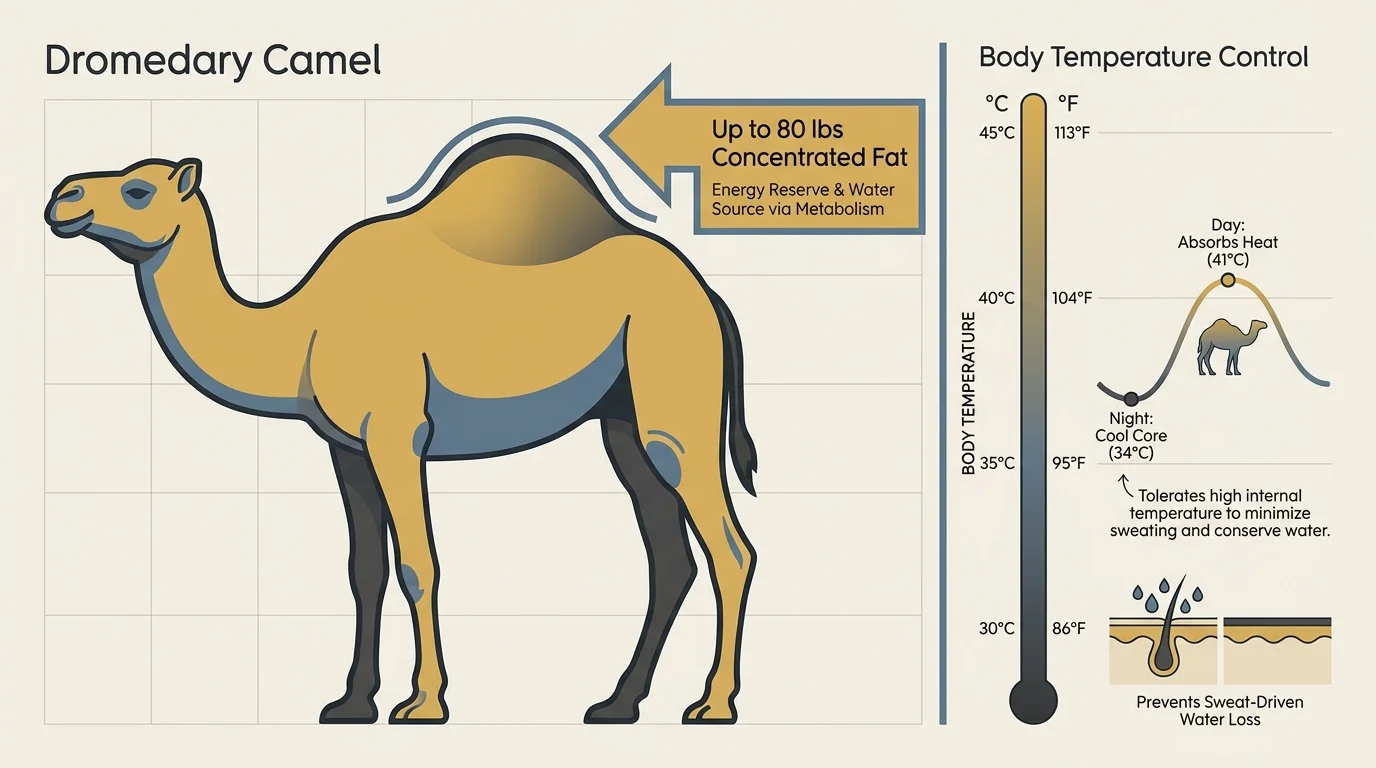
The dromedary camel is globally recognized for its drought endurance, but its survival mechanism is frequently misunderstood. A camel’s hump does not store liquid water; instead, it holds up to 80 pounds of concentrated fat. When food and water disappear from the landscape, the camel metabolizes this fat. As the fat breaks down and binds with oxygen, the chemical reaction produces both energy and metabolic water, allowing the animal to maintain its hydration levels during long treks across the dunes.
Camels also regulate their body temperatures to preserve moisture. Rather than sweating profusely like humans, a camel allows its internal body temperature to rise safely during the heat of the day, drastically reducing evaporative water loss. During the cooler winter months, a camel can go six to seven months without drinking. When they finally find an oasis, they rehydrate aggressively, capable of drinking 30 gallons of water in a mere 13 minutes.
Actionable Insight: While you do not have a fat-storing hump to protect you from extreme heat, you can learn from the camel’s thermal efficiency. When engaging in outdoor recreation, focus on wearing lightweight, breathable, full-coverage clothing that minimizes sweat evaporation, helping your body retain critical fluids during prolonged sun exposure.
4. The Water-Holding Frog: Sealing Itself in a Cocoon
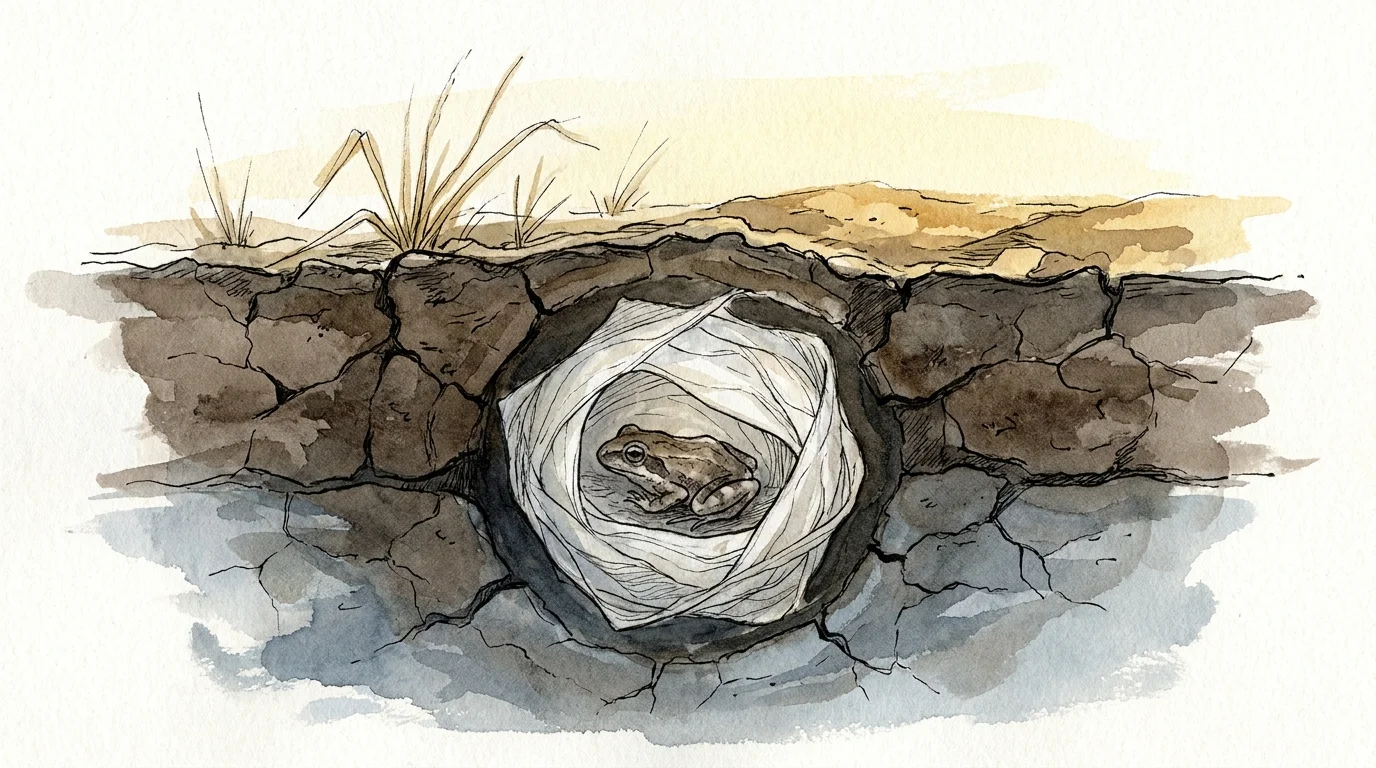
Most amphibians must remain near constant water sources to prevent their permeable skin from drying out, but the Australian water-holding frog entirely rewrites this rule. As the temporary wetlands of the Outback evaporate, this frog burrows up to one meter underground using a specialized spade-like ridge on its hind feet.
Once buried, the frog sheds multiple layers of its own skin. Rather than discarding the dead tissue, the frog uses it to form a watertight, protective mucus cocoon that covers its entire body, leaving only the nostrils exposed for breathing. Inside this underground chamber, the frog enters a state of dormancy called aestivation. Its oxygen consumption drops by up to 70 percent, and it can survive in suspended animation for years, waiting for heavy rains to soften the soil above.
Actionable Insight: Amphibians absorb moisture and chemicals directly through their skin, making them incredibly vulnerable to toxic pollutants. You can directly protect local frog populations by transitioning to organic, pesticide-free lawn care practices. Eliminating harsh chemicals prevents toxic runoff from poisoning the seasonal pools where vulnerable amphibians breed and hydrate.
5. The West African Lungfish: Sleeping Through Multi-Year Droughts
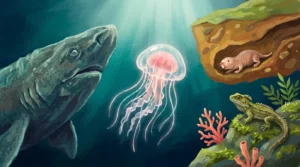
The West African lungfish takes the concept of a deep sleep to unprecedented extremes. Native to the seasonal floodplains of West and Central Africa, this extraordinary creature possesses a trait that has fascinated researchers at institutions like the San Diego Zoo Wildlife Alliance: it has true lungs that allow it to breathe atmospheric air.
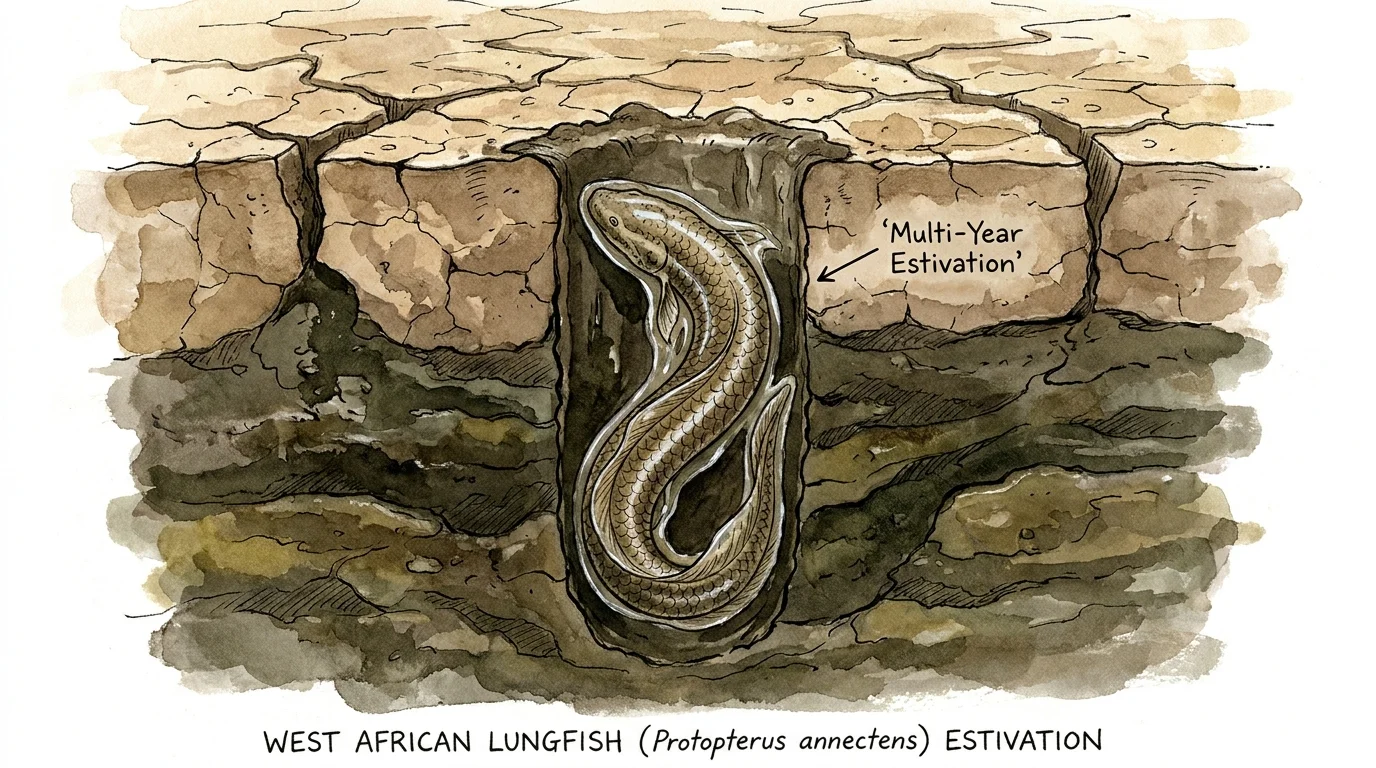
When dry seasons cause its riverbed habitat to completely vanish, the lungfish digs deep into the mud. It secretes a thick mucus that hardens into a rigid, protective cocoon around its body. Inside this casing, the lungfish collapses its gills and relies entirely on a small breathing tube connected to the surface. In this dormant state, the fish stops eating, drinking, and producing waste, and it can survive for an astonishing three and a half to four years without touching a drop of water.
Actionable Insight: The survival of the lungfish relies entirely on the natural wet and dry cycles of riverbeds. You can champion aquatic conservation by voting for local initiatives that protect seasonal wetlands and by supporting global organizations working to prevent the damming and draining of vital floodplain ecosystems.
6. The Thorny Devil: Drinking Through Its Skin
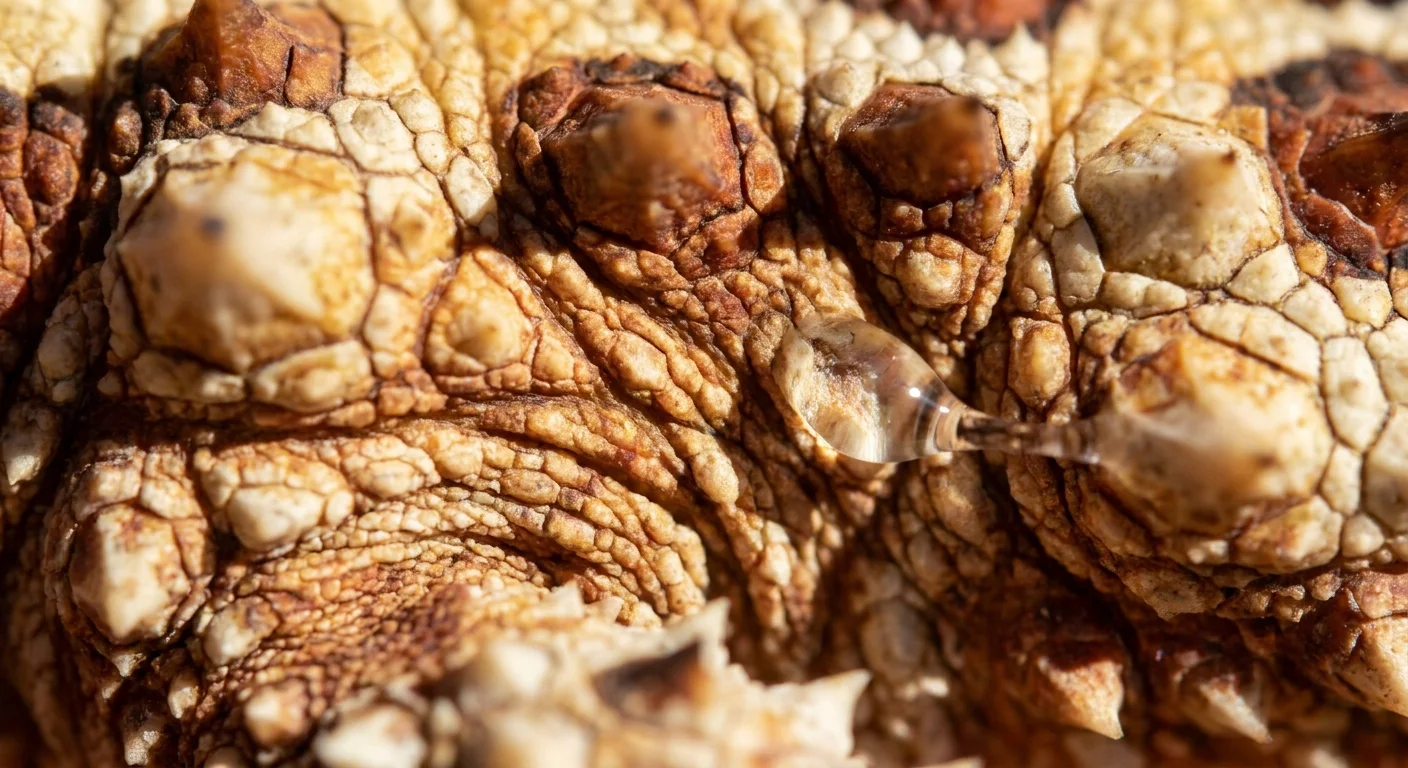
The thorny devil looks like a tiny, spiky dragon, but its fearsome exterior masks one of the most elegant water-harvesting systems in the animal kingdom. As detailed by National Geographic, this Australian lizard never needs to bend down to drink from a puddle. Instead, it utilizes a microscopic network of grooves located between its scales.
When the thorny devil walks through dew-covered grass or stands in moist sand, capillary action draws water up its legs and across its body, channeling the moisture directly into the corners of its mouth. By simply standing in the morning fog, the lizard effectively pulls hydration out of thin air, allowing it to thrive in landscapes devoid of standing water.
Actionable Insight: The thorny devil’s passive water-collection skin is currently inspiring engineers to design better moisture-harvesting technologies for drought-stricken agricultural regions. You can apply a similar philosophy to your own home by installing rain barrels or participating in community water-capture initiatives, significantly reducing your reliance on strained municipal water lines.
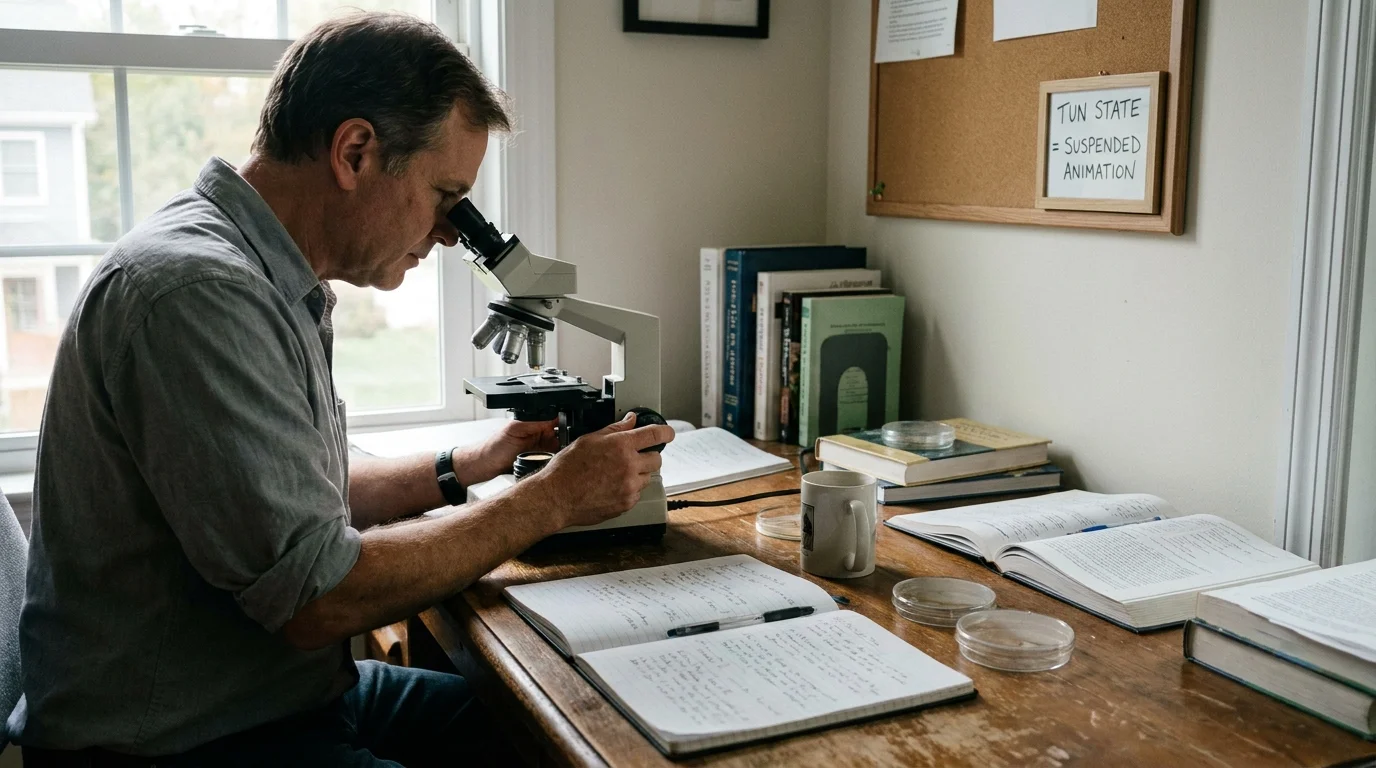
7. The Tardigrade: Masters of Suspended Animation
Tardigrades, commonly known as water bears, are microscopic invertebrates capable of surviving environments that would instantly obliterate almost any other life form. As outlined by Encyclopaedia Britannica, tardigrades require a thin layer of water to remain active, grow, and reproduce. However, when their aquatic habitats dry up, they execute an unmatched survival mechanism.
They enter a state of extreme suspended animation called cryptobiosis. The tardigrade retracts its head and legs, curling into a dehydrated, indestructible ball known as a “tun.” In this form, the creature replaces the water in its cells with specialized protective proteins, reducing its metabolic activity to just 0.01 percent of normal levels. A tardigrade can remain in this completely desiccated state for decades. The moment a drop of water touches the tun, the tardigrade rehydrates and walks away as if no time has passed at all.
Actionable Insight: The extraordinary cryptobiotic biology of tardigrades is currently inspiring researchers to develop new ways to store life-saving human vaccines without requiring refrigeration. By advocating for and supporting funding toward foundational biological research, you help scientists uncover natural mechanisms that can solve some of humanity’s most pressing medical and logistical challenges.
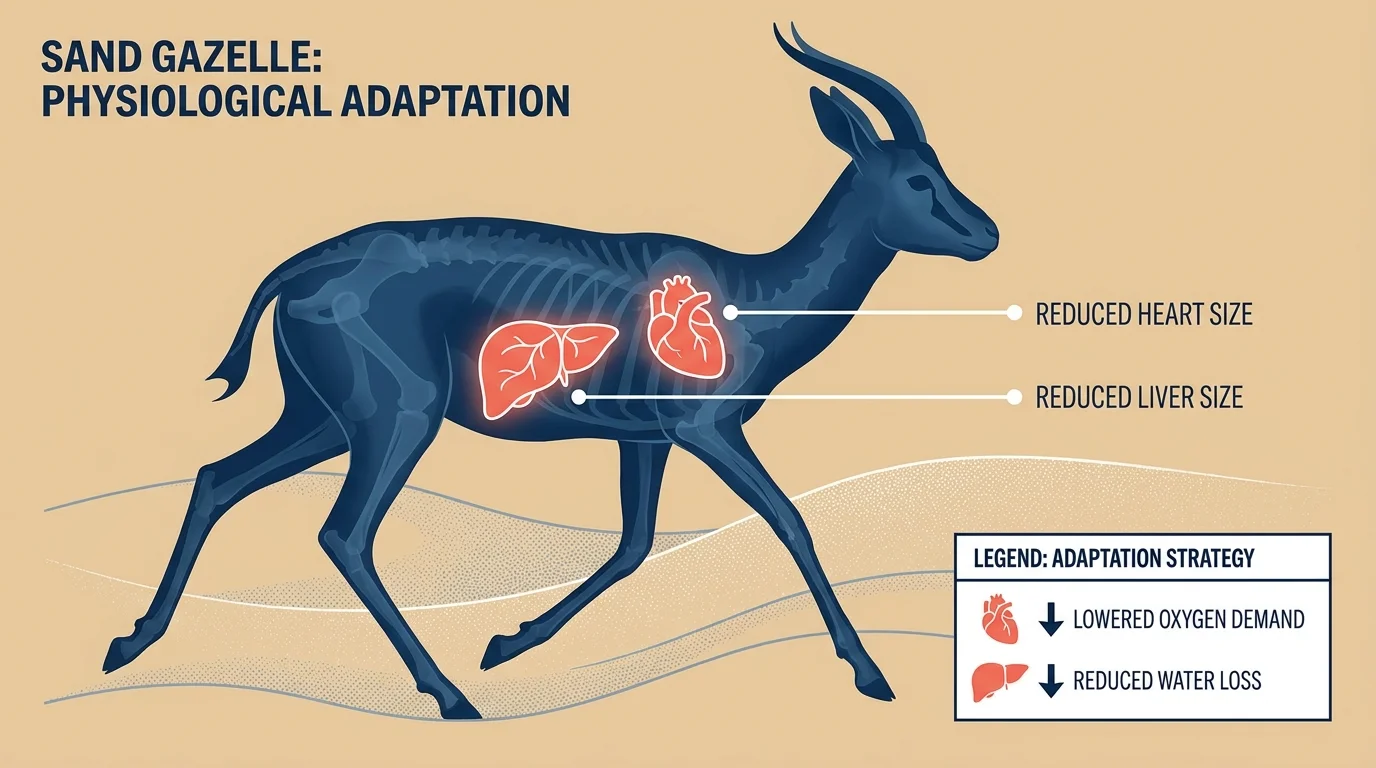
8. The Sand Gazelle: Shrinking Organs to Save Hydration
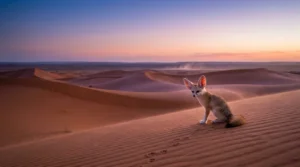
The sand gazelle endures the punishing heat of the Arabian Peninsula by executing a bizarre and extreme physiological adjustment. While most animals must pant or sweat to cool down—which rapidly depletes their internal water stores—the sand gazelle attacks the problem from the inside out.
During the harshest periods of drought, the gazelle actually shrinks the size of its heart and liver by up to 20 percent. Because these specific organs require massive amounts of oxygen to function, reducing their mass directly lowers the animal’s oxygen demand. Needing less oxygen allows the gazelle to take fewer breaths, which drastically cuts down on the amount of moisture lost to the arid desert air through respiratory evaporation. Combined with extracting moisture from sparse vegetation, this organ-shrinking trick grants the gazelle the lowest evaporative water loss rate of any hoofed animal.
Actionable Insight: The extreme physiological lengths the sand gazelle goes to just to survive a drought should serve as a stark reminder of water’s inherent value. Audit your home water usage—fix running toilets, install low-flow showerheads, and rethink water-intensive landscaping—to help alleviate the growing pressure on global water basins.
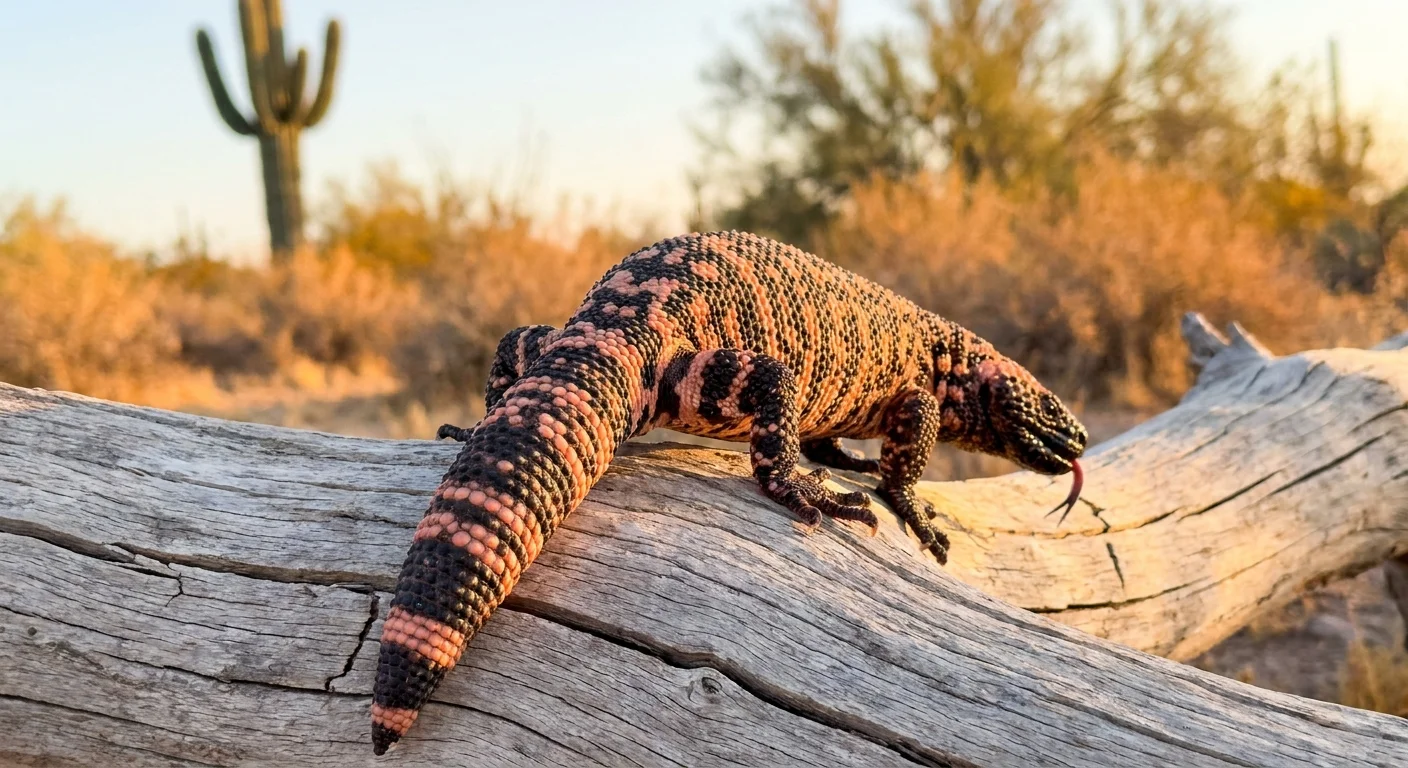
9. The Gila Monster: Storing Hydration in Its Tail
The Gila monster represents one of the few venomous lizards in the world, heavily populating the Mojave, Sonoran, and Chihuahuan deserts. To survive the punishing dry seasons, the Gila monster has evolved a robust storage system located entirely in its thick, heavy tail. During periods of abundance, the lizard gorges on small mammals, bird eggs, and insects, converting the excess nutrients into fat and water stored directly in its tail tissue.
Because the Gila monster possesses an incredibly slow metabolic rate, it can spend up to 90 percent of its entire life resting in cool, underground burrows. By limiting its surface activity to just a few weeks a year during the spring, it avoids the rapid dehydration caused by the desert sun. Relying entirely on the fat and moisture reserves in its tail, a Gila monster can comfortably survive for months without taking a sip of water or eating a meal.
Actionable Insight: Because Gila monsters and other desert reptiles rely on deep burrows and natural crevices to survive long periods of drought, you must leave the desert landscape undisturbed. Avoid moving large rocks, dismantling dead brush, or disturbing soil mounds when hiking, as these microhabitats provide the only barrier between wildlife and fatal dehydration.
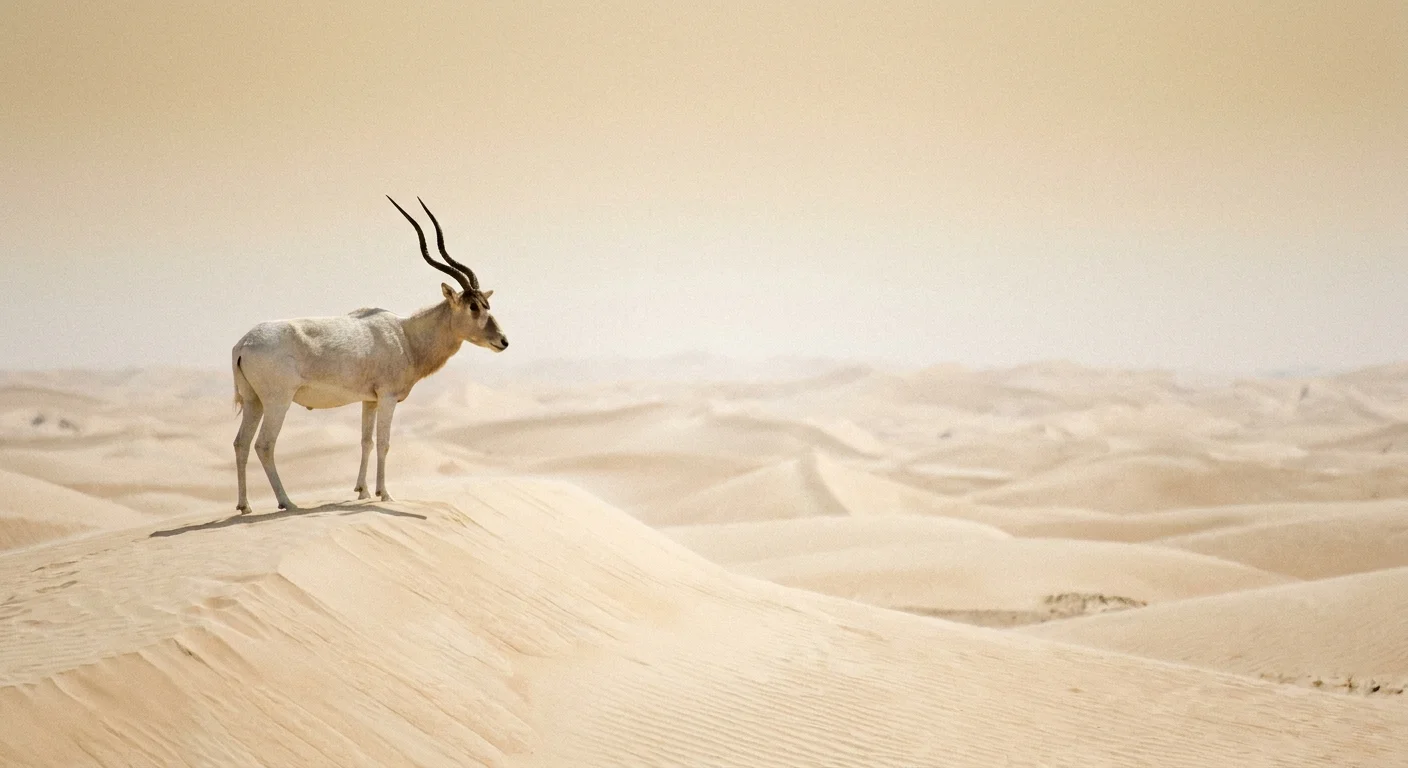
10. The Addax: The Desert Antelope That Never Drinks
Once roaming the vast expanses of the Sahara Desert by the thousands, the addax has adapted so perfectly to arid life that it never actually needs to drink free-standing water. These striking antelopes meet all their hydration needs strictly by grazing on desert grasses, wild melons, and moisture-rich tubers.
The addax boasts a pale, reflective coat that bounces harsh sunlight away from its body, keeping its core temperature down. Furthermore, its kidneys concentrate urine to an extreme degree, ensuring maximum water retention. Tragically, the very environment they have mastered cannot protect them from human interference. The IUCN Red List notes that unregulated hunting and habitat destruction have pushed the addax to the absolute brink of extinction, with wild populations numbering fewer than 100 individuals.
Actionable Insight: With the wild addax population critically decimated, the species requires immediate and sustained human intervention to survive. You can make a tangible difference by donating to accredited zoos and wildlife reserves that actively participate in Addax Species Survival Plans (SSP), ensuring this resilient antelope is successfully bred and protected for future reintroduction efforts.
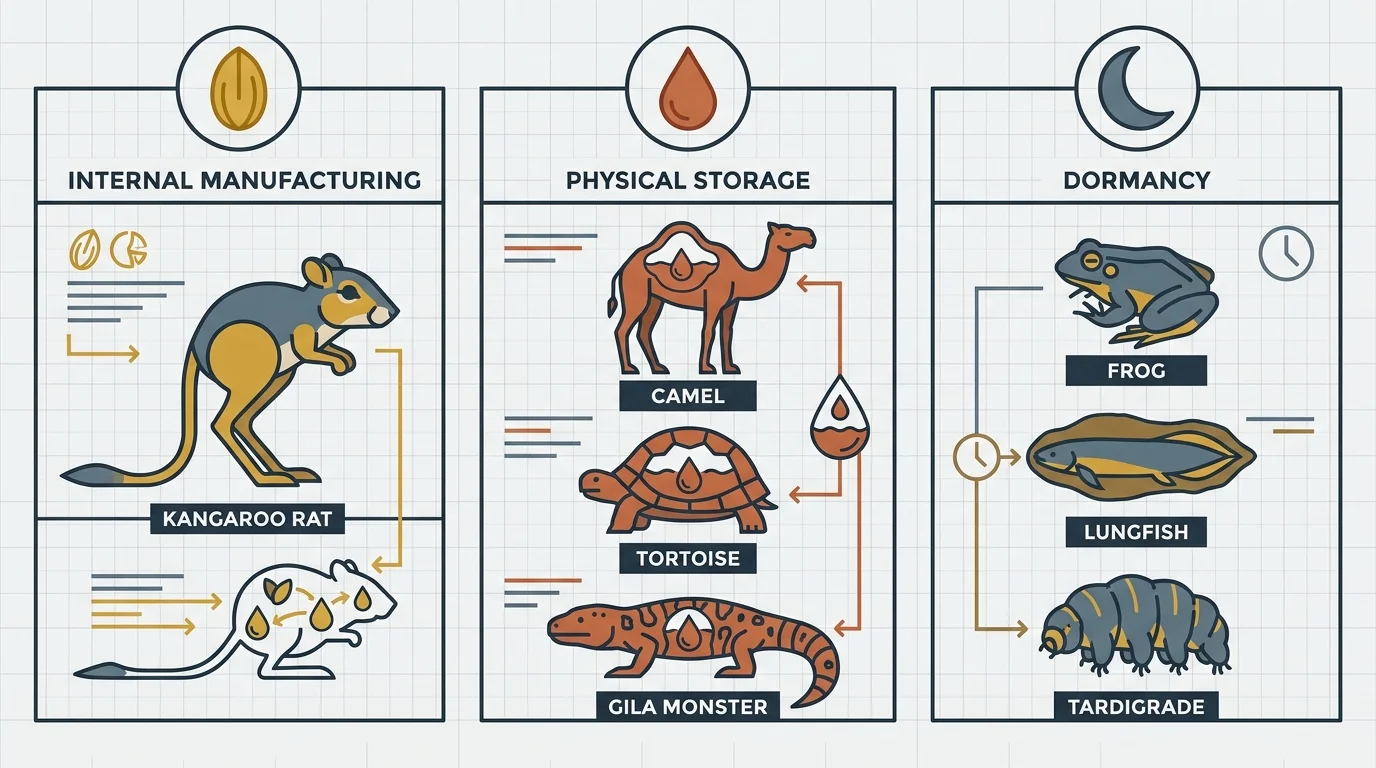
Comparing Extreme Drought Survival Strategies
While each of these ten animals thrives in some of the most unforgiving climates on the planet, their biological solutions to water scarcity vary wildly. The table below outlines how different species tackle the threat of dehydration.
| Animal | Primary Habitat | Main Survival Strategy | Max Estimated Time Without Water |
|---|---|---|---|
| Kangaroo Rat | North American Deserts | Metabolic water production from seeds | Entire lifespan (2–5 years) |
| Desert Tortoise | North American Deserts | Stores liquid water inside bladder | Up to 1 year |
| Dromedary Camel | Middle Eastern / African Deserts | Metabolizes hump fat into water | 6–7 months (in winter) |
| Water-Holding Frog | Australian Outback | Aestivates in shed-skin cocoon | Multiple years |
| West African Lungfish | African Floodplains | Dormancy in hardened mud cocoon | 3.5 to 4 years |
| Thorny Devil | Australian Outback | Capillary skin channels collect dew | Never drinks directly; daily dew collection |
| Tardigrade | Global Micro-Habitats | Cryptobiosis (suspended animation) | Decades |
| Sand Gazelle | Arabian Peninsula | Shrinks internal organs to breathe less | Months (hydration via vegetation) |
| Gila Monster | North American Deserts | Stores fat and water in tail | Months |
| Addax | Sahara Desert | Hydrates entirely via desert flora | Indefinite (never needs liquid water) |
Why Drought-Defying Wildlife Matters to Our Future
The remarkable adaptations of these ten animals showcase a blueprint for survival that has taken millions of years to perfect. From the water-holding frog’s underground cocoon to the sand gazelle’s ability to selectively shrink its own organs, nature continuously proves that life finds a way to endure the harshest extremes. However, modern environmental shifts are pushing these survival limits to their breaking points. Rising global temperatures, prolonged mega-droughts, and expanding human development fragment the specific microhabitats these species rely on to perform their biological magic.
By studying how wildlife manages hydration, we do more than gather fascinating trivia; we uncover actionable engineering, medical, and conservation strategies. You hold the power to ease the burden on these fragile ecosystems. Choosing sustainable water practices at home, advocating for wetland protections, and supporting targeted conservation efforts ensure that these resilient desert survivors continue to roam the earth, inspiring future generations with their drought-defying brilliance.