
Many animals form lifelong bonds, demonstrating a level of loyalty and emotional depth that mirrors human relationships. From seabirds performing intricate dances to lock in their partners, to powerful predators raising multi-generational families, nature is filled with heartwarming animal stories of devotion. Companionship in the wild ensures the survival of offspring, strengthens pack defense, and provides essential emotional support. While the animal kingdom is often painted as a fierce battleground, it is equally defined by lasting partnerships. Whether you observe a wild pair navigating the tundra or companionship animals comforting seniors, you quickly realize these bonds run deep. Because these loyal animals love humans and their own mates fiercely, they offer incredible insights. Here are ten examples.
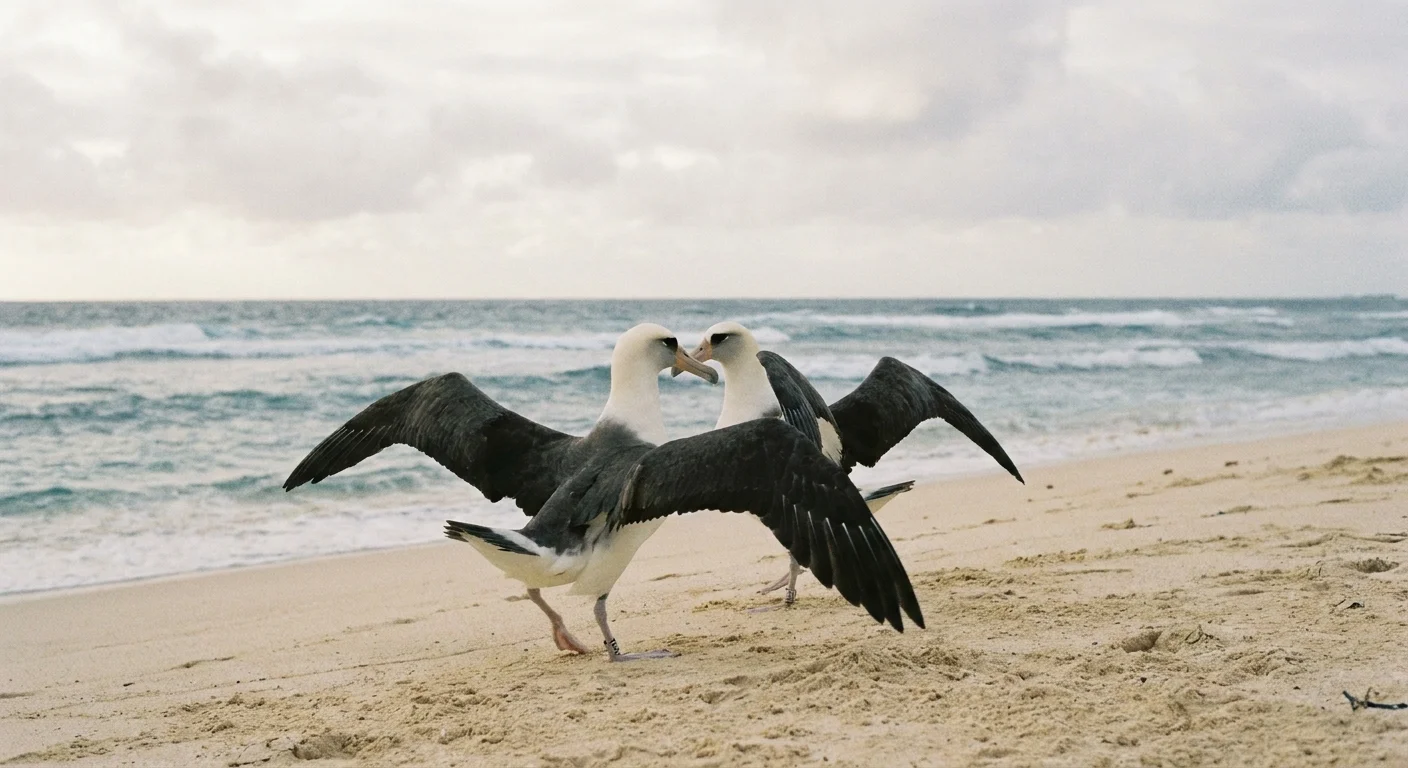
1. Laysan Albatross: Dancing for a Lifelong Partner
If you want to see pure devotion, look to the sky above the North Pacific. The Laysan albatross spends the first three to five years of its life roaming the open ocean alone before returning to land to find a mate. Finding the right partner requires patience and precise coordination. These birds engage in highly complex courtship rituals involving up to twenty-five distinct movements—from sky-pointing and beak-clacking to bowing and walking in synchronized circles. They spend years perfecting this dance with various partners before finally committing to one bird for the rest of their lives.
Once paired, they share all parenting duties equally. The couple takes turns incubating their single egg and taking incredibly long flights to forage for squid. Wisdom, a famous female Laysan albatross banded by the U.S. Geological Survey in 1956, hatched a healthy chick in 2021 when she was over seventy years old, proving the astonishing longevity of these marine birds. Unfortunately, because they forage by skimming the water’s surface, they frequently ingest floating plastics. You can directly support the survival of these devoted partners by reducing your reliance on single-use plastics and participating in local beach cleanups.
2. Prairie Voles: The Science of Monogamy
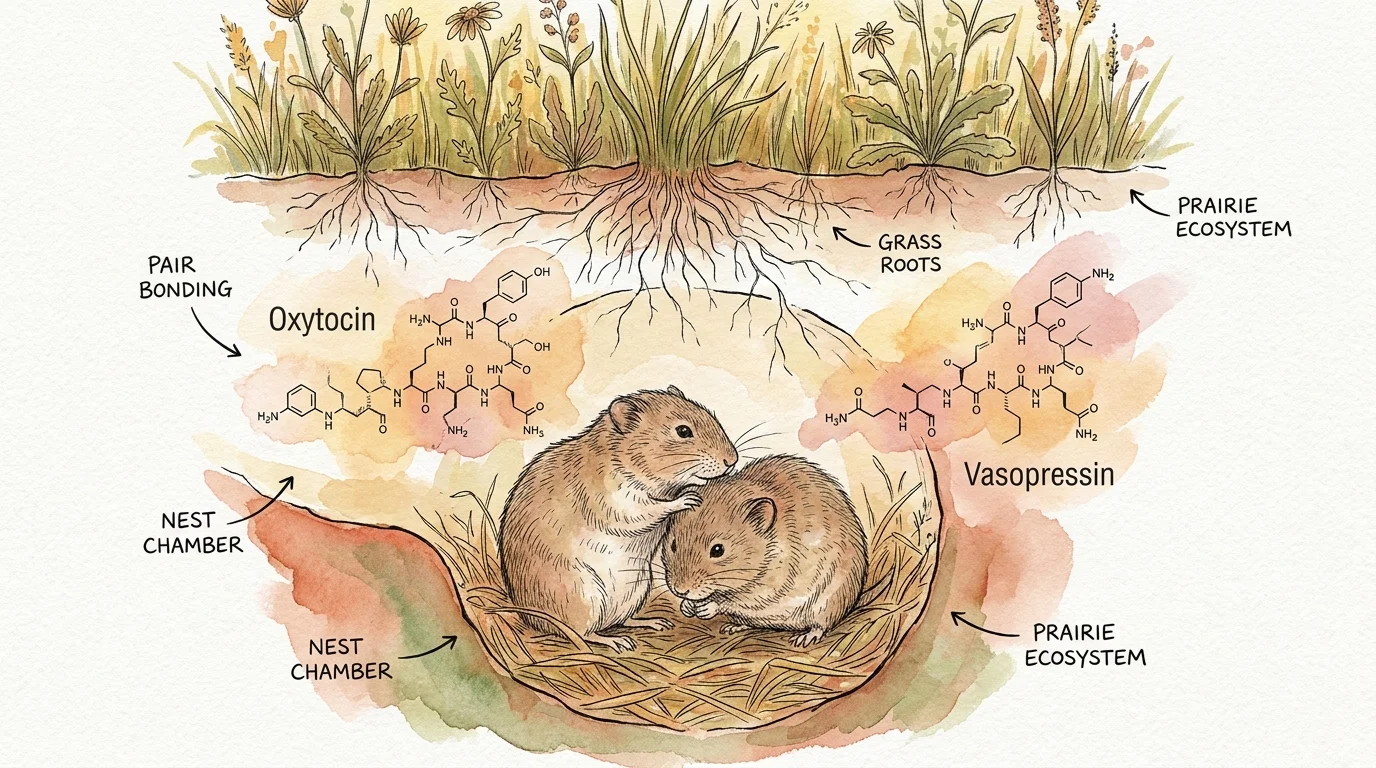
Prairie voles may be tiny rodents, but they rule the scientific study of monogamy. Unlike the vast majority of mammals, prairie voles form exclusive, lifelong attachments to a single partner. When scientists want to understand how the mammalian brain processes affection and social attachment, they look directly at these voles. After finding a mate, the male and female share a nest, groom one another constantly, and split their parenting duties straight down the middle.
This enduring loyalty is driven by powerful brain chemistry. When prairie voles bond, their brains release massive amounts of oxytocin and vasopressin—the exact same hormones that regulate human love and attachment. The male vole even exhibits fierce mate-guarding behavior, aggressively chasing away strangers who approach his partner. Research on prairie voles conducted by institutions like the National Institutes of Health continues to unlock mysteries surrounding human behavioral disorders and social attachment. The next time you question the biological roots of companionship, remember that a vole’s brain chemistry proves that loyalty offers a profound evolutionary advantage.
3. Gray Wolves: The Ultimate Family Unit
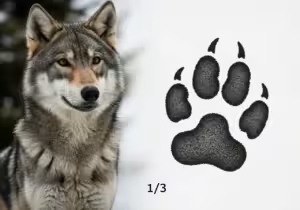
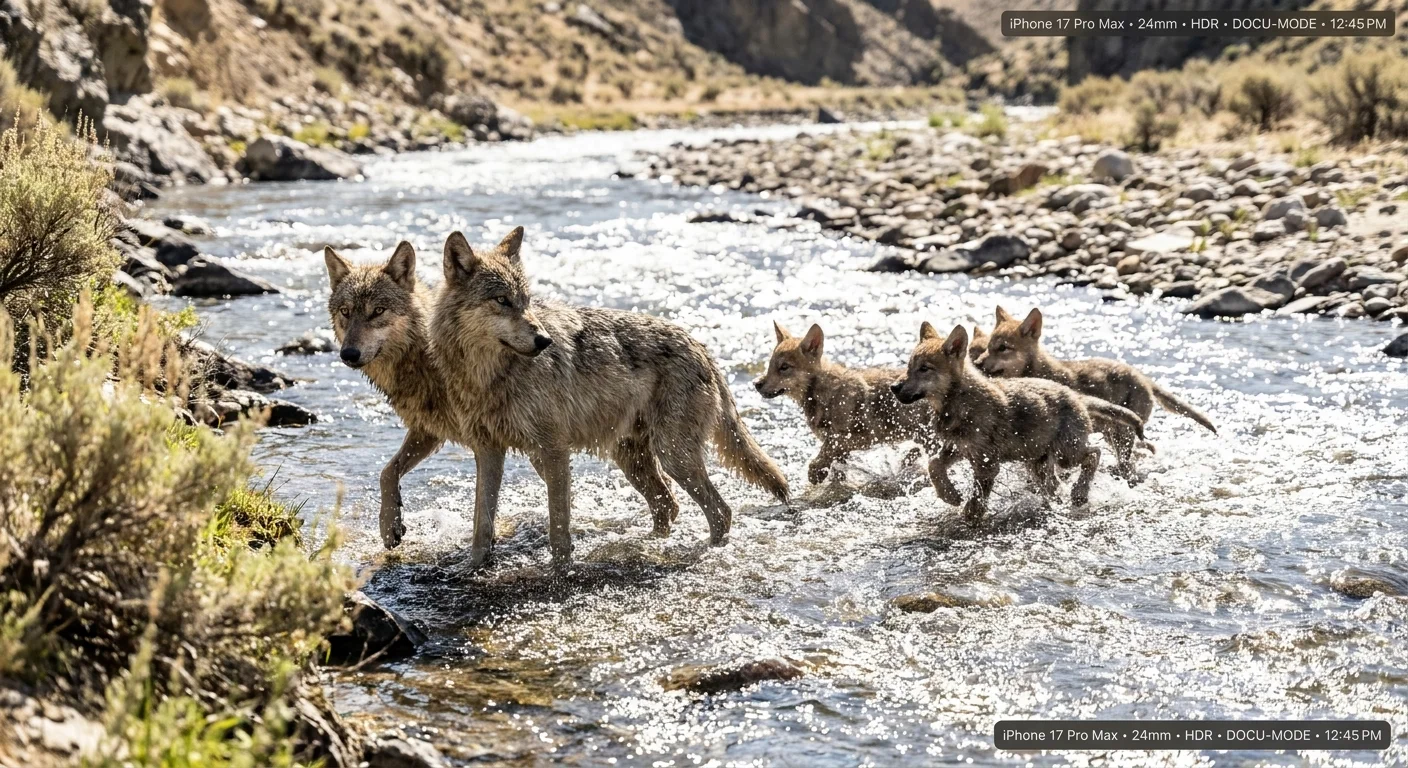
The popular concept of the “lone wolf” is mostly a myth. In reality, gray wolves thrive on strict family values and deep social bonds. A typical wolf pack operates as a tightly knit nuclear family, led by an alpha male and an alpha female who mate for life. Together, this pair establishes a territory, hunts cooperatively, and produces a new litter of pups each spring. The strength of the pack relies entirely on this central, unbreakable partnership.
The entire pack participates in raising the young. Older siblings act as babysitters and protectors. While the alpha pair and other adults track down prey, the young adults stay behind at the den to guard, feed, and play with the newest arrivals. Wolves communicate their affection and maintain pack cohesion by howling together, a practice that reinforces their social structure across vast distances. Living up to thirteen years in the wild, gray wolves rely on their strong familial bonds to survive harsh winters and defend their hunting grounds. Supporting organizations that protect apex predators ensures these remarkable family units can maintain balance in our ecosystems.
4. African Elephants: Matriarchal Bonds That Never Break
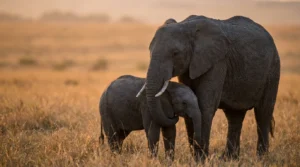
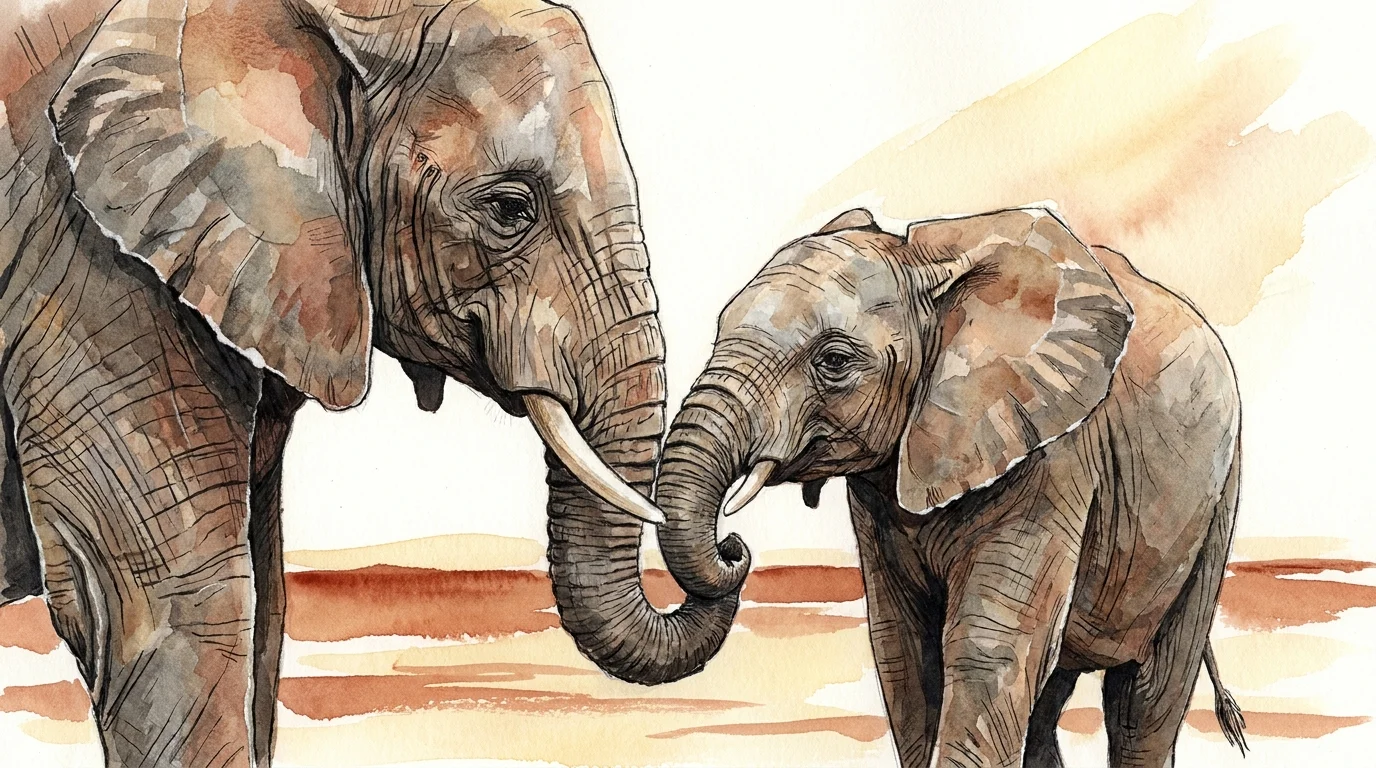
Elephants showcase a different, yet equally powerful, type of lifelong bond: unwavering matriarchal devotion. While adult males eventually leave the group to live independently or form bachelor herds, female African elephants stay by their mother’s side for their entire sixty-to-seventy-year lifespans. They raise their calves cooperatively and rely heavily on the oldest, wisest female—the matriarch—to guide them to hidden food and water sources during severe droughts.
According to researchers monitoring wild populations at conservation organizations like the Tsavo Trust, elephants display staggering emotional intelligence. They celebrate family reunions with joyous displays, flapping their ears, intertwining their trunks, and rumbling at low frequencies that travel miles through the ground. They also exhibit profound grief, visibly mourning their dead by gently touching the remains with their trunks. By advocating for anti-poaching laws and supporting ethical wildlife tourism, you help protect these ancient, multi-generational families from fragmentation.
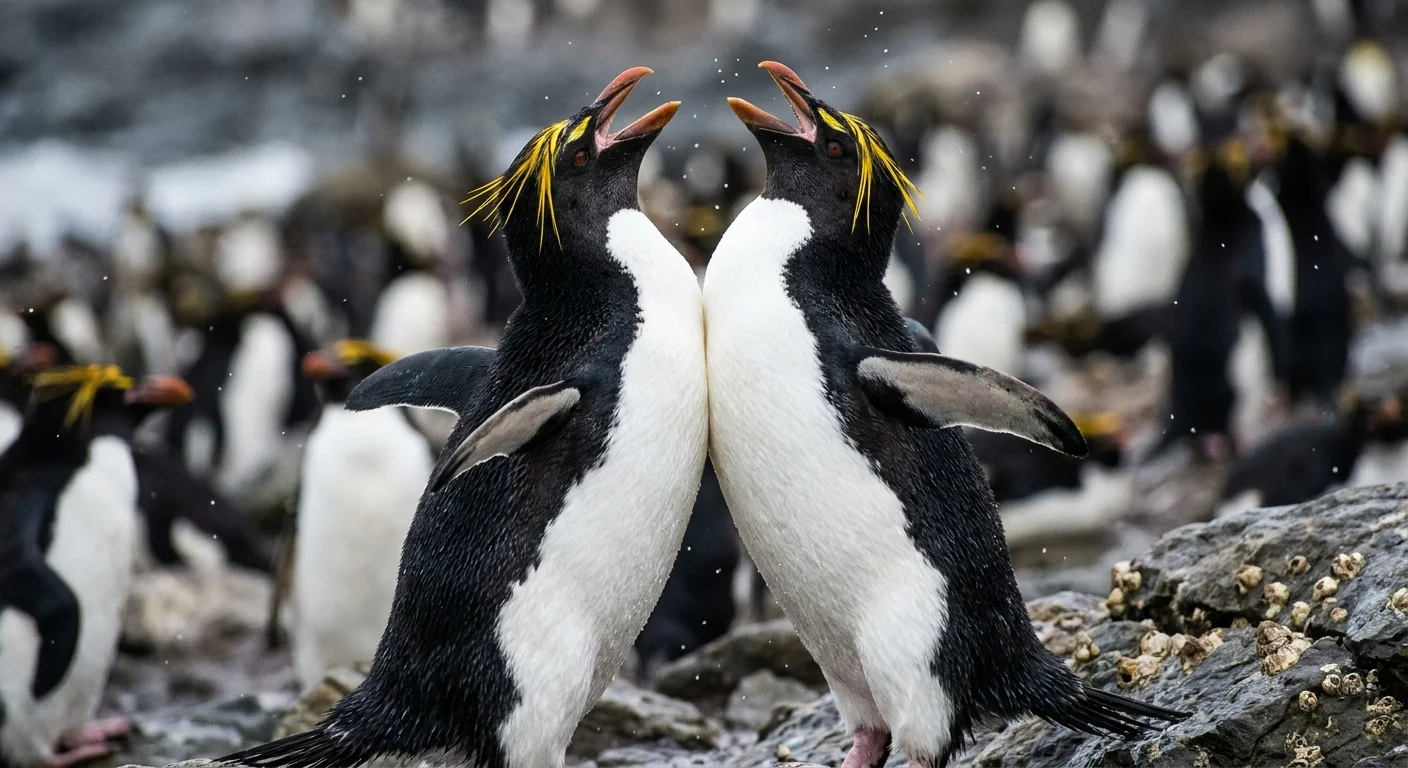
5. Macaroni Penguins: Ecstatic Reunions
Living in massive, chaotic colonies along the freezing cliffs of the Antarctic Peninsula, macaroni penguins somehow manage to find their specific partners year after year. They practice seasonal monogamy, reuniting with the exact same mate every breeding season despite spending the brutal winter months apart on the open ocean. Their ability to locate one another among hundreds of thousands of identical-looking birds is a testament to their strong acoustic and visual memory.
When a macaroni penguin pair reconnects, they perform a heartwarming behavior known as an “ecstatic display.” They swing their heads from side to side, lift their beaks, and blare a loud, unique call to reaffirm their bond. From that moment on, they share the heavy lifting of parenthood. One partner incubates the eggs in sub-zero winds while the other risks predation by seals to forage for krill. Because climate change and overfishing threaten the krill populations they depend on, making sustainable seafood choices helps secure the food supply these devoted seabirds need to feed their chicks.
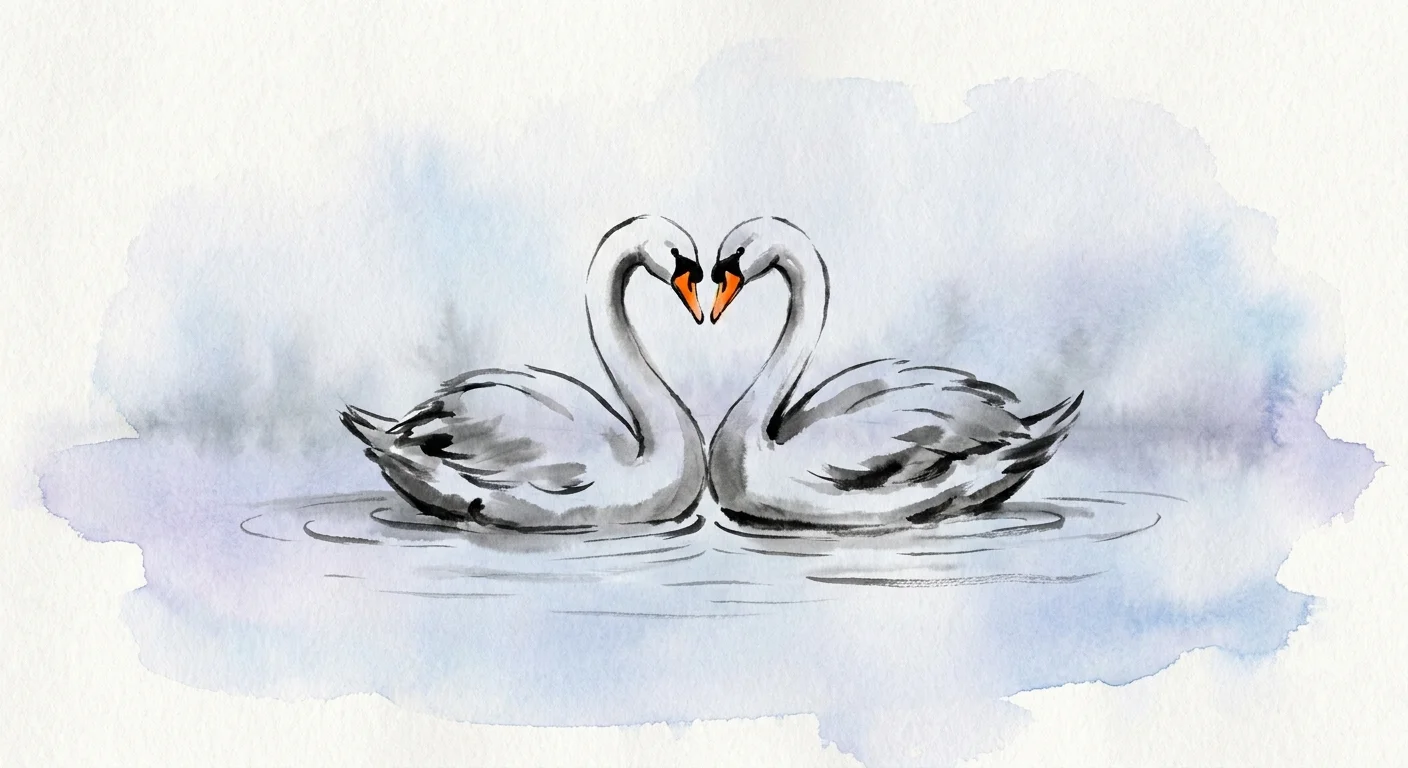
6. Mute Swans: Classic Symbols of Devotion
If you picture a classic symbol of romance, you likely envision two mute swans facing each other, their gracefully curved necks forming a perfect heart. This cultural reputation is heavily backed by biology. Mute swans are notoriously faithful partners, boasting a “divorce rate” of roughly three percent. They form attachments early in life and rely on their teamwork to survive.
These elegant waterfowl aggressively defend their nesting territories. The male, known as a cob, fiercely guards the perimeter of the nest, actively chasing away predators and intruding birds, while the female incubates the eggs. Once the fluffy cygnets hatch, both parents dedicate themselves to teaching the young how to swim, preen, and forage for aquatic plants. Because their partnerships can easily last throughout their twenty-year lifespans, they accumulate valuable knowledge of their local waterways. If one swan passes away, the survivor often goes through a visible mourning period, withdrawing from the flock before eventually seeking a new mate.
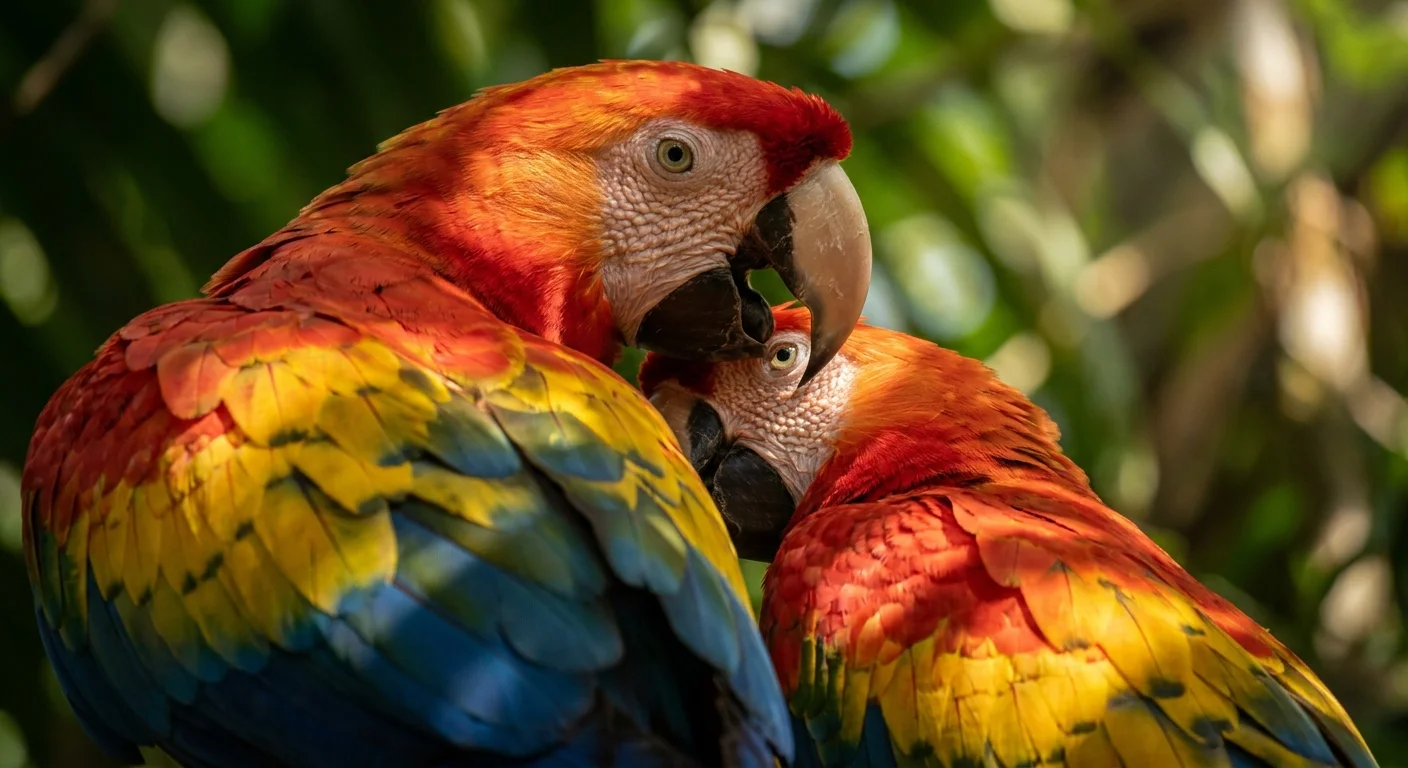
7. Macaws: Colorful Companions for Decades
In the dense, vibrant canopies of Central and South American rainforests, macaws prove that lifelong bonds can be incredibly loud and colorful. These large parrots reach sexual maturity around age four and immediately select a partner. You will rarely see a wild macaw flying alone; they travel so close to their mates that their brightly colored wings nearly touch.
Macaw pairs spend an enormous amount of time together outside of the breeding season. They meticulously groom each other’s feathers, share foraged fruits, and gather at clay licks to neutralize toxins in their diet as a team. Macaws boast extraordinary lifespans, frequently living fifty to seventy years in the wild. As highlighted by the IUCN Red List, many macaw species face critical endangerment due to habitat destruction and the illegal pet trade. If you are considering bringing a macaw into your home, this longevity requires serious foresight. You must prepare a lifelong care strategy, as these highly intelligent, emotional birds will bond with you deeply and will very likely outlive you.
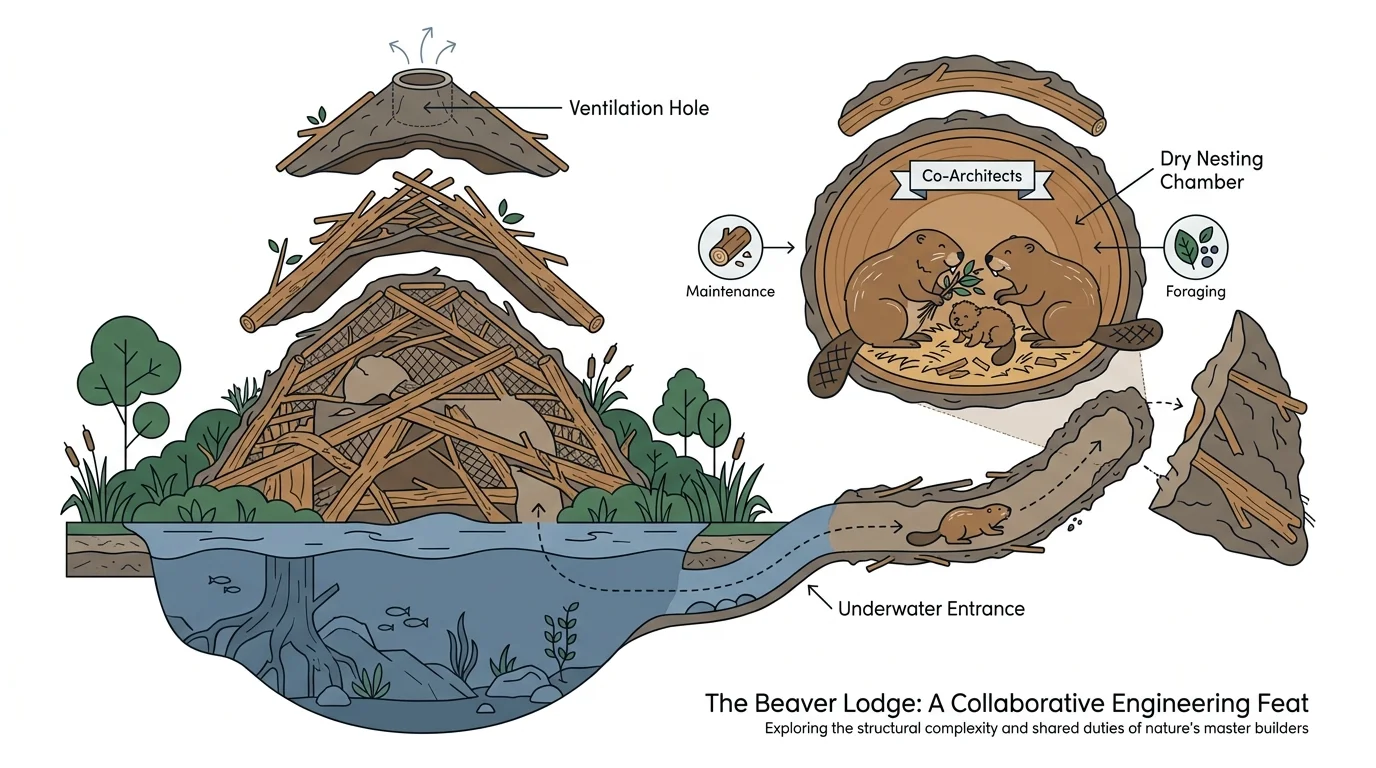
8. Beavers: Co-Architects and Co-Parents
Beavers are nature’s most dedicated co-architects. They pair up for life, pooling their immense energy to fell trees and build elaborate dams out of mud, branches, and stones. By strategically flooding specific areas, they create deep-water ponds that protect their families from land-based predators like wolves and bears. At the center of this pond sits their lodge, featuring an underwater entrance that leads to a dry, safe nesting chamber.
A typical beaver family unit includes the adult pair, the current year’s kits, and the yearlings from the previous spring. The older siblings actively pitch in to repair the dam, gather food for the winter cache, and babysit the newborns. Operating as a unified workforce over their ten-year lifespans, this stable family dynamic allows beavers to radically reshape their environment. They function as a keystone species, inadvertently creating thriving wetlands that filter water and support countless other forms of wildlife. Advocating for humane wildlife management ensures these industrious families can continue engineering healthy ecosystems.
9. Gibbons: Singing Their Love in the Canopy
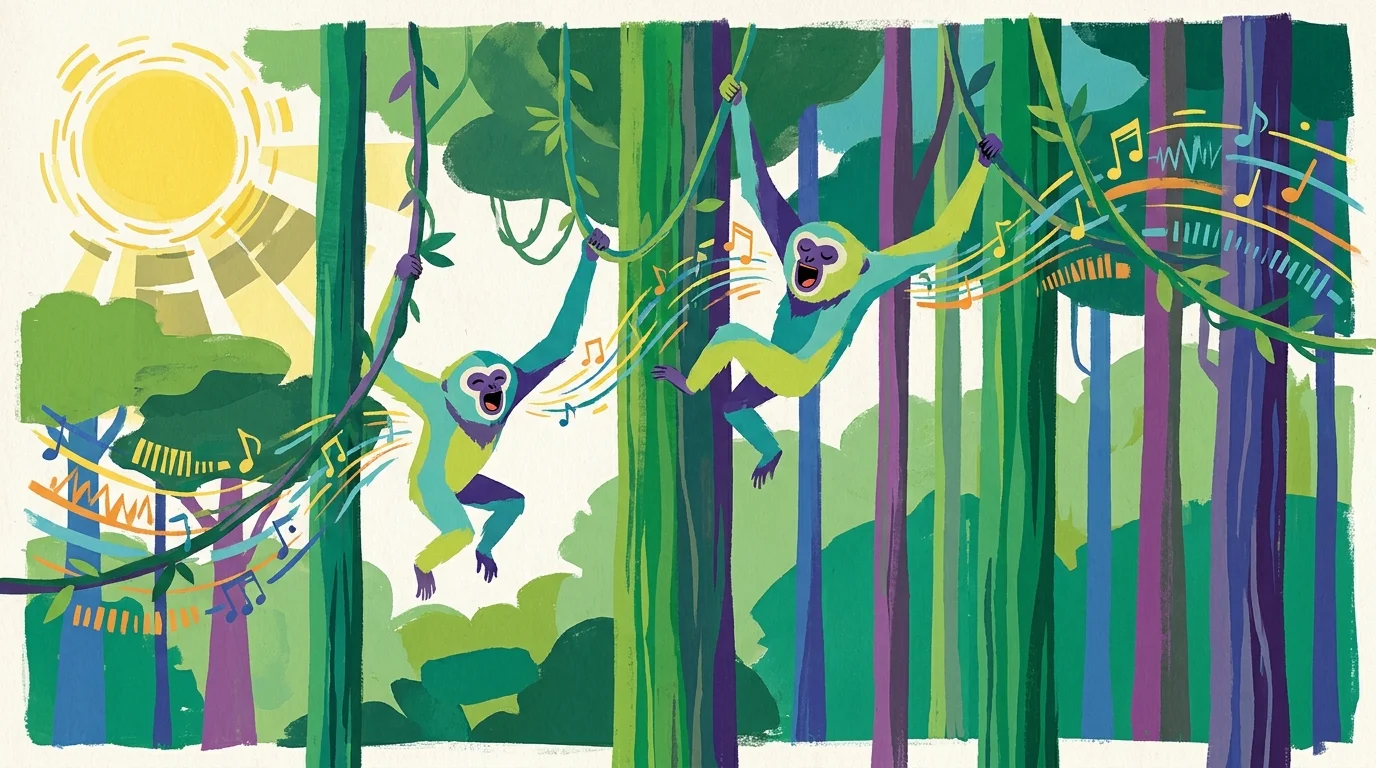
Gibbons offer a stunning, musical twist on monogamy. These small, incredibly agile apes swing seamlessly through the high canopies of Southeast Asia and live in tight-knit, pair-bonded family groups. An adult male and female will claim a specific patch of forest and spend their lives defending it together.
To reinforce their bond and warn rival groups to stay away, the male and female perform complex, synchronized vocal duets every morning. These loud, melodic songs can last up to fifteen minutes and echo for miles across the jungle. The precision of their duet actually indicates the strength of their relationship; the longer a pair has been together, the more perfectly their voices align. You can support the preservation of gibbon habitats by actively checking product labels for certified sustainable palm oil, helping to halt the deforestation that threatens these singing apes.

10. Dogs: A Different Kind of Lifelong Bond
While wild animals form attachments primarily to survive, domestic dogs offer a unique, cross-species loyalty that spans thousands of years of evolution. The connection between humans and dogs relies on the exact same chemical pathways that bond mothers to their babies. When you and your dog share a gentle, sustained gaze, both of your brains release a surge of oxytocin, cementing a deep psychological attachment.
This profound emotional intelligence explains why dogs excel in therapeutic roles. Whether they act as highly trained service dogs or serve as the companionship animals seniors rely on to combat daily loneliness, dogs prove that loyalty transcends species. Your dog does not merely view you as a reliable food source; they view you as their pack and their family. You can actively strengthen this lifelong bond by setting aside dedicated time for interactive play, positive reinforcement training, and simple, calm physical affection. A daily routine built on trust ensures your dog remains confident, relaxed, and deeply connected to you.
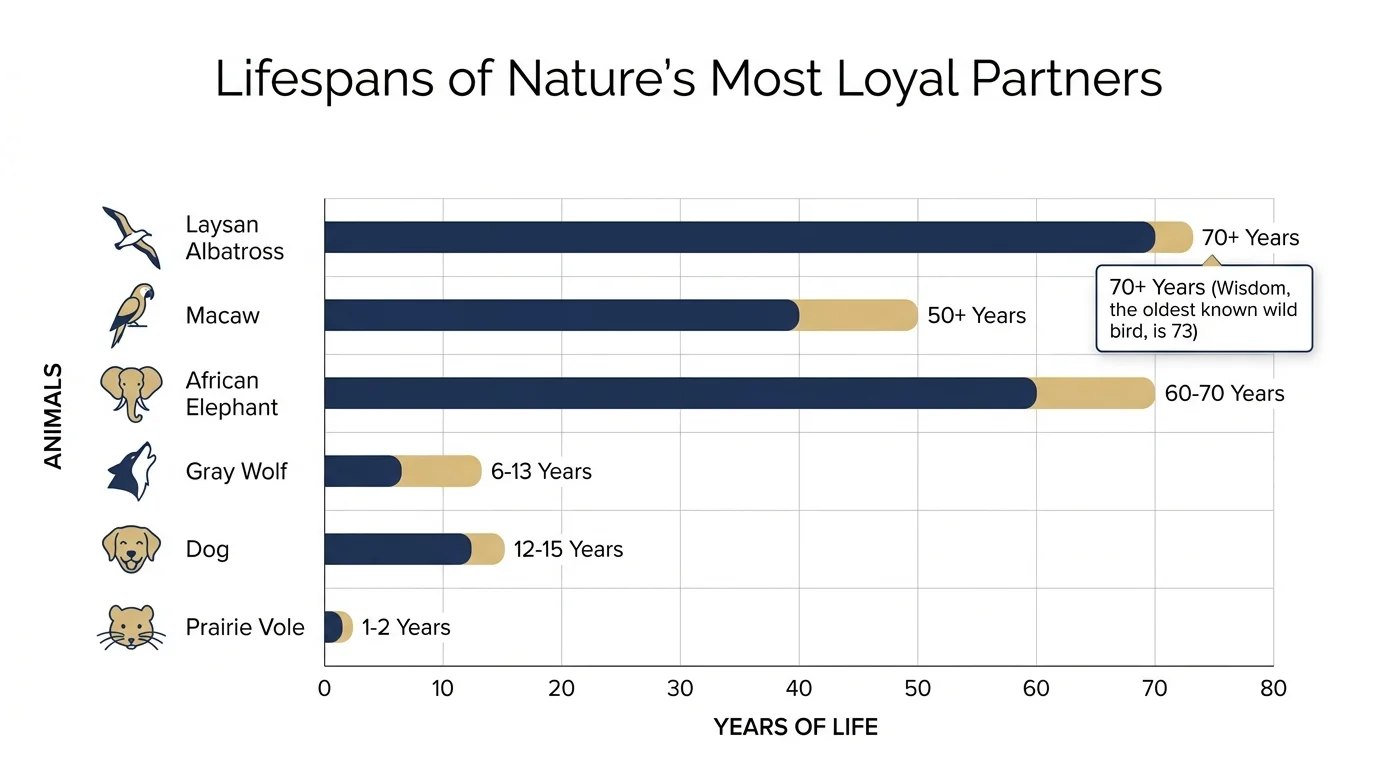
Comparing the Lifespans of Bonded Animals
Understanding the lifespans of these animals puts their long-term commitments into perspective. Some of these species spend more time with a single partner than many humans do. The table below highlights how long these remarkable animals maintain their relationships in the wild.
| Animal Species | Average Wild Lifespan | Primary Habitat |
|---|---|---|
| Laysan Albatross | 50–70+ years | Open Ocean / Remote Pacific Islands |
| Prairie Vole | 1–2 years | North American Grasslands |
| African Elephant | 60–70 years | African Savannas and Forests |
| Macaroni Penguin | 8–15 years | Sub-Antarctic Islands |
| Macaw | 50–70 years | Central and South American Rainforests |
| Gray Wolf | 8–13 years | Forests, Tundras, and Grasslands |

Why Animal Companionship Matters
Witnessing the dedication of these ten animals reminds you that the natural world operates on cooperation just as much as competition. When you study how these animals form lifelong bonds, you quickly realize that loyalty acts as a powerful evolutionary advantage. Whether a pair of albatrosses works tirelessly to raise a chick on a remote atoll, or an elephant matriarch draws on decades of memory to guide her family through a harsh drought, these partnerships guarantee survival in unpredictable environments.
Furthermore, recognizing the deep emotional intelligence of wildlife encourages better conservation efforts across the globe. Protecting native habitats, advocating for sustainable products, and minimizing ocean pollution ensures that these extraordinary partnerships continue to thrive. Ultimately, observing the devotion of wild species—and nurturing the pets in your own home—fosters a profound respect for the creatures we share the planet with, proving that love, teamwork, and loyalty are truly universal languages.