
Within the dangerous miniature animals world, researchers learn size never dictates lethality. Some of the most lethal small animals pack enough venom or pathogens to end a human life in hours, all while fitting comfortably in your palm. While massive predators dominate fears, you face higher risks from tiny deadly animals hiding in tide pools, rainforests, or your backyard. From neurotoxic octopuses that camouflage among rocks to disease-carrying insects responsible for millions of fatalities, small size dangerous creatures leverage stealth and potent biochemistry to survive. Identifying and respecting these threats provides essential protection. Recognizing these 15 highly dangerous animals smaller than your hand could ultimately save your life.
The Mosquito: A Global Disease Vector
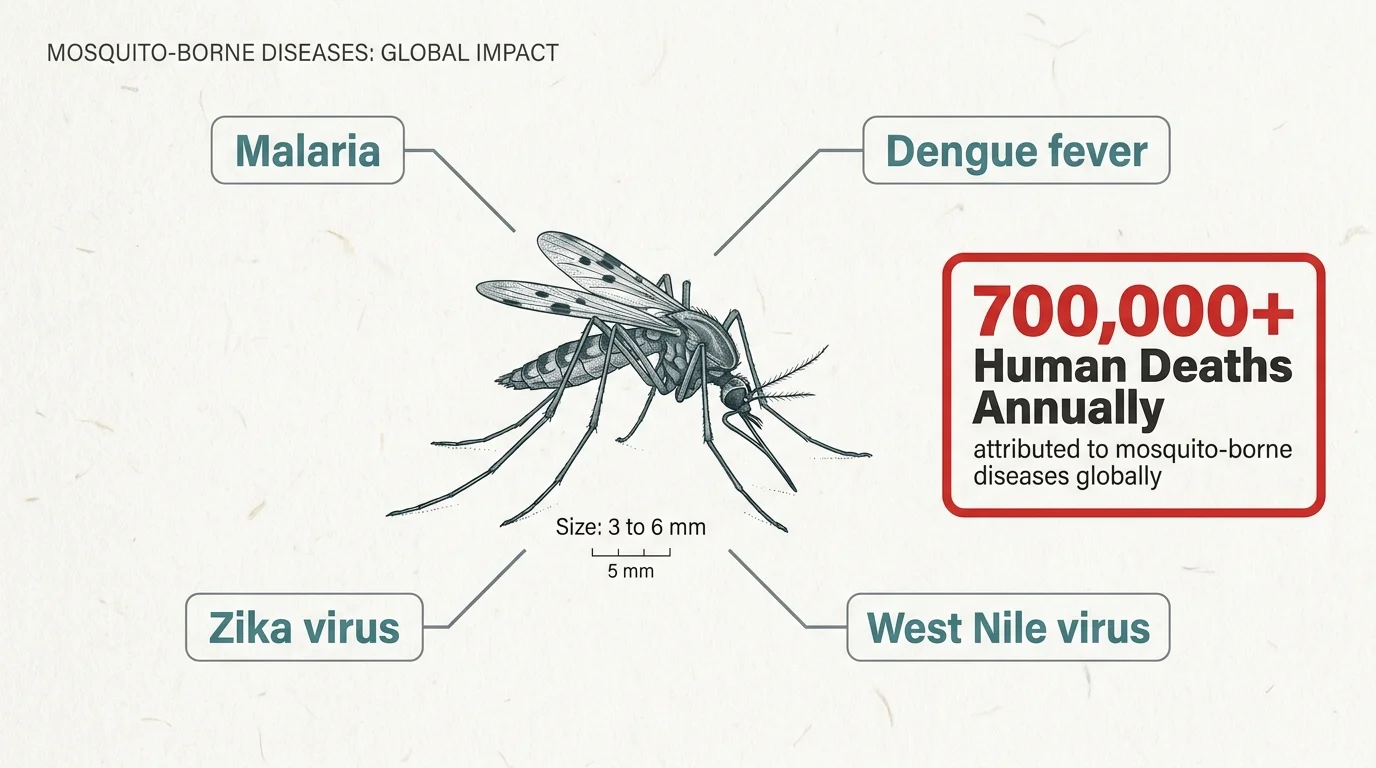
Mosquitoes measure a mere 3 to 6 millimeters, yet they hold the title of the deadliest animal on the planet. Belonging primarily to the Anopheles, Aedes, and Culex genera, these flying insects cause over 700,000 human deaths annually. They transmit lethal pathogens directly into your bloodstream through their saliva when they bite, including:
- Malaria
- Dengue fever
- Zika virus
- West Nile virus
Female mosquitoes require the protein from your blood to develop their eggs. To protect yourself, eliminate standing water around your home where larvae breed. Install fine mesh screens on your windows and doors, and use EPA-approved insect repellents containing DEET or picaridin when you venture outdoors. For more information on preventing vector-borne illnesses, consult the Centers for Disease Control and Prevention (CDC).
Blue-Ringed Octopus: A Colorful Warning
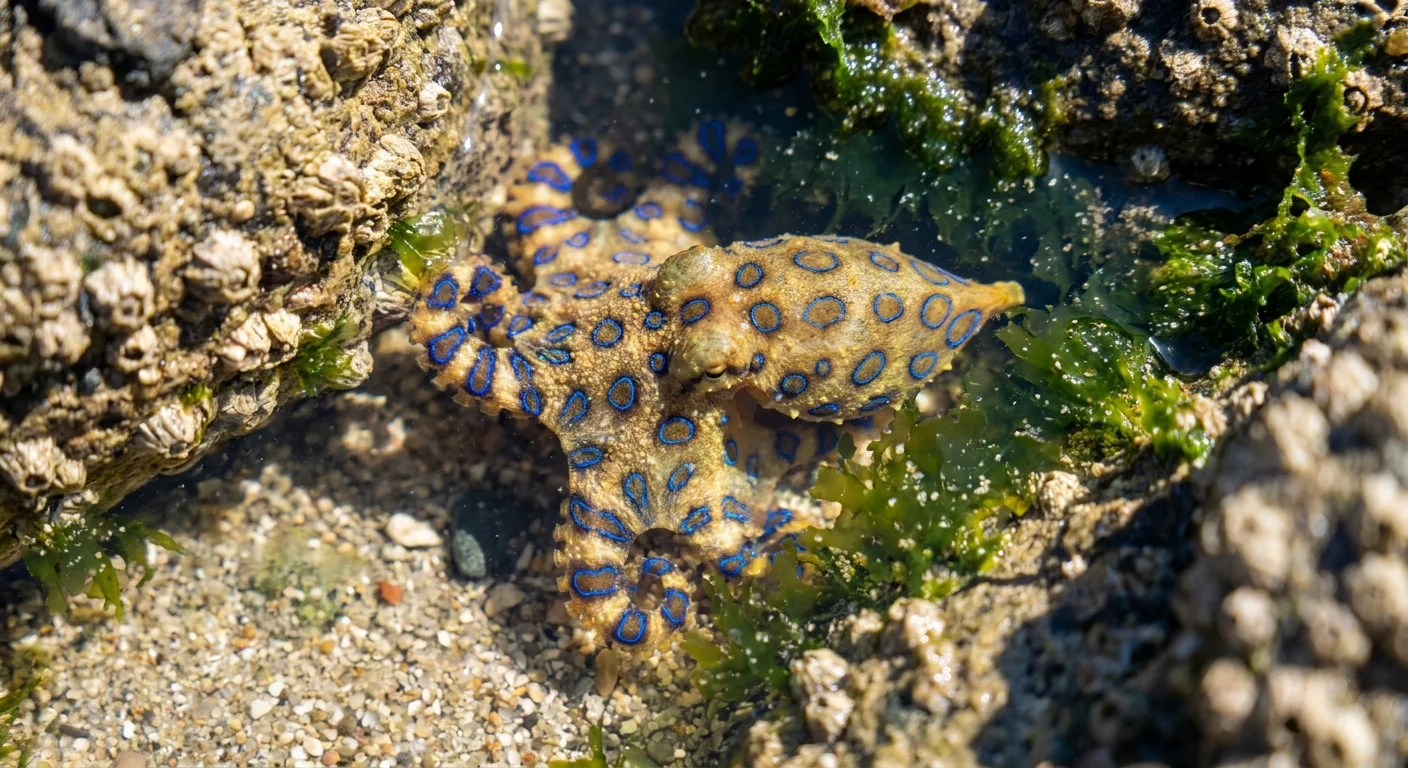
The blue-ringed octopus typically grows to just 12 to 20 centimeters, easily resting in the palm of your hand. However, you must never pick one up. Native to the tide pools and coral reefs of the Pacific and Indian Oceans, this cephalopod carries tetrodotoxin—a venom roughly 1,200 times more toxic than cyanide. A single bite delivers enough neurotoxin to kill 26 adult humans within minutes.
When agitated, the octopus flashes bright iridescent blue rings across its yellowish body as a warning. The venom paralyzes your voluntary muscles, eventually halting your breathing while keeping you fully conscious. Because no antivenom exists, victims require immediate artificial respiration. Give these animals a wide berth when exploring rocky shorelines, and never touch unfamiliar marine life. Learn more about their fragile habitat from National Geographic.
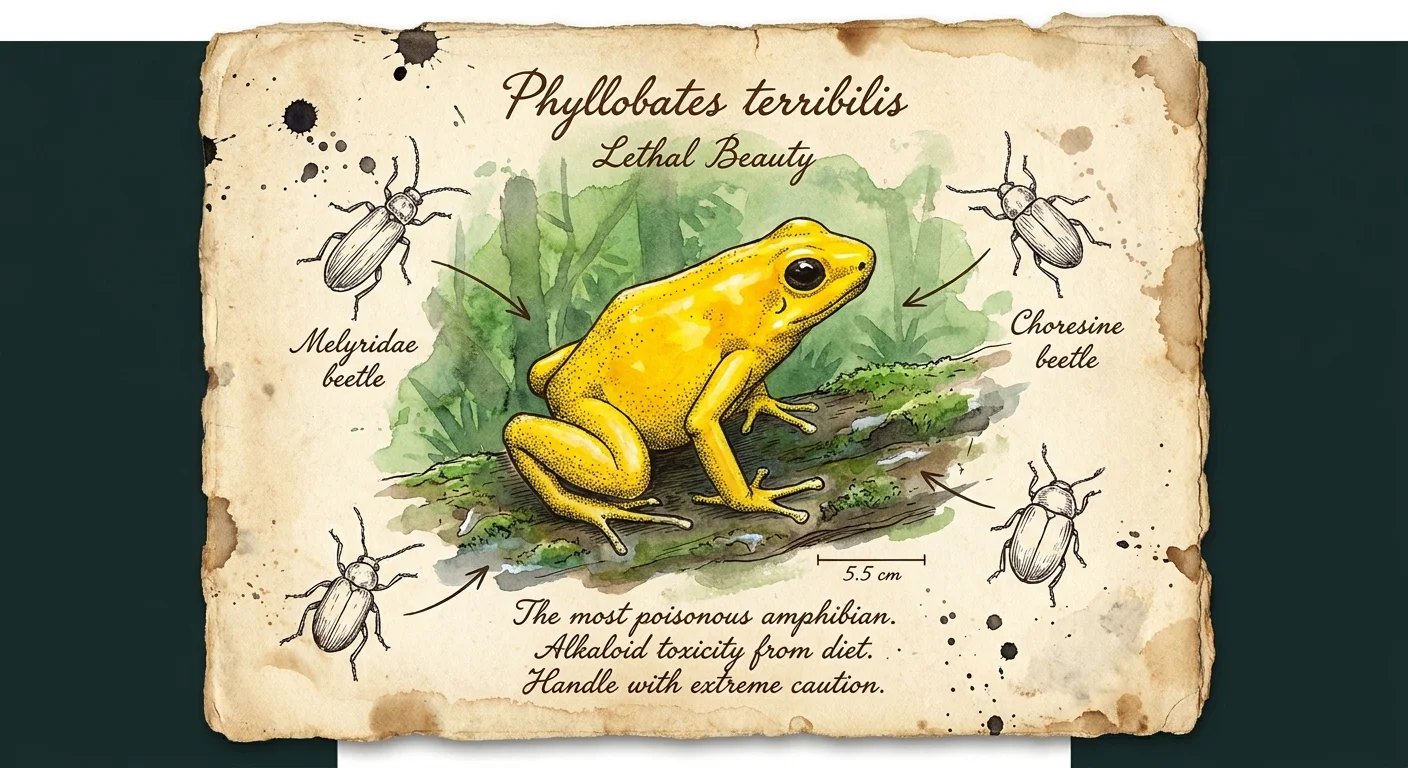
Golden Poison Frog: Lethal Beauty
The golden poison frog (Phyllobates terribilis) reaches a maximum length of 5.5 centimeters. Despite this diminutive size, a single frog contains enough batrachotoxin in its skin glands to kill 10 grown men. Native to the Pacific coast of Colombia, these brightly colored amphibians acquire their extreme toxicity through their wild diet of specific alkaloid-rich beetles and ants.
Their vivid golden-yellow coloration acts as aposematic signaling, vividly warning predators to stay away. The toxin forcefully binds to nerve channels, preventing them from closing and causing irreversible muscle contraction and heart failure. Never handle wild dart frogs. If you visit tropical rainforests, hire knowledgeable local guides who understand how to navigate amphibian habitats safely. The IUCN Red List currently classifies this incredible species as endangered due to rapid habitat destruction.
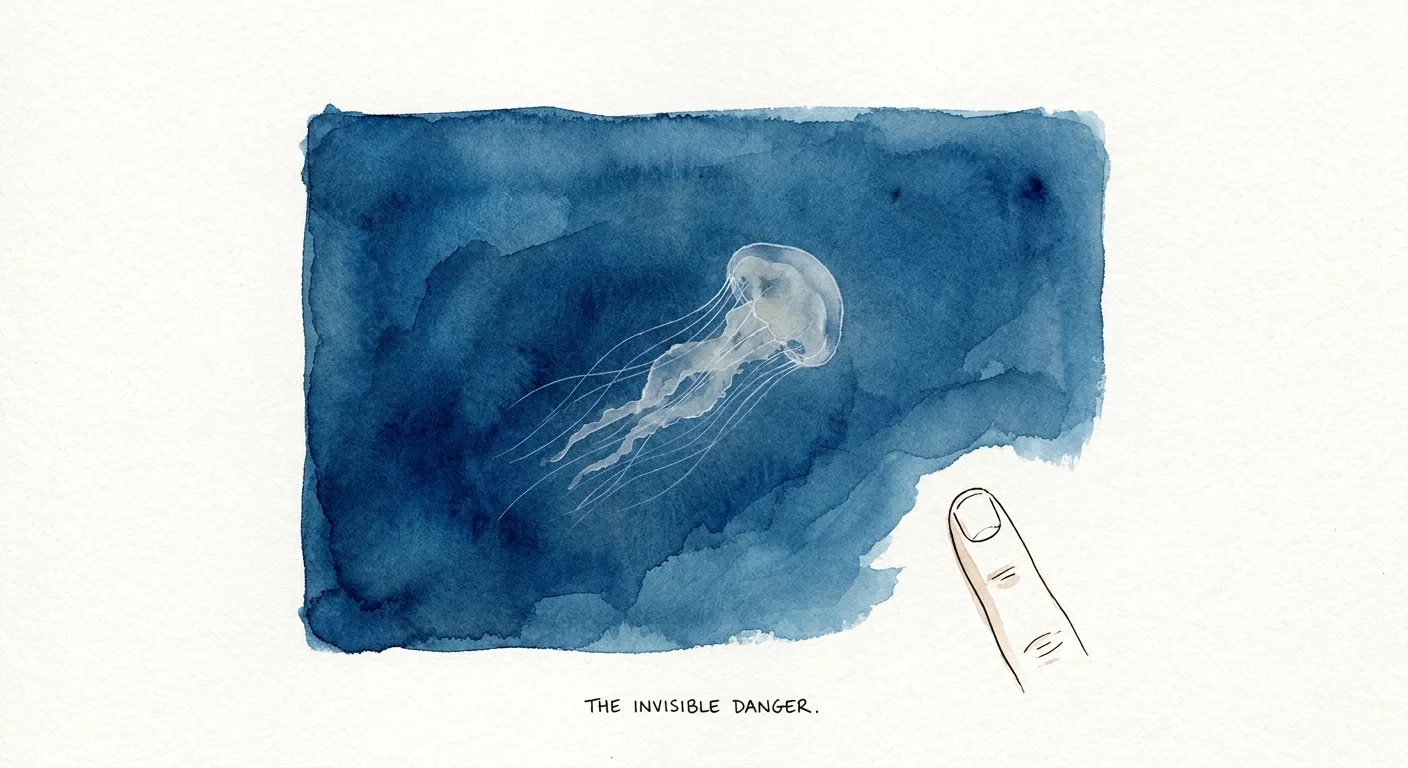
Irukandji Jellyfish: The Invisible Threat
You will likely never see an Irukandji jellyfish coming. With a translucent bell measuring just 1 to 2 centimeters across, this marine predator is nearly invisible in the water. Found primarily off the northern coasts of Australia, its tentacles can stretch up to a meter long and come loaded with microscopic stinging cells.
A sting triggers Irukandji syndrome, a terrifying condition that induces severe muscle cramps, intense back pain, vomiting, and sky-high blood pressure. Victims often report an overwhelming psychological feeling of impending doom. The initial sting feels like a minor mosquito bite, but within 30 minutes, you will require emergency hospitalization. Always wear a full-body stinger suit when swimming in tropical Australian waters during the warm months.
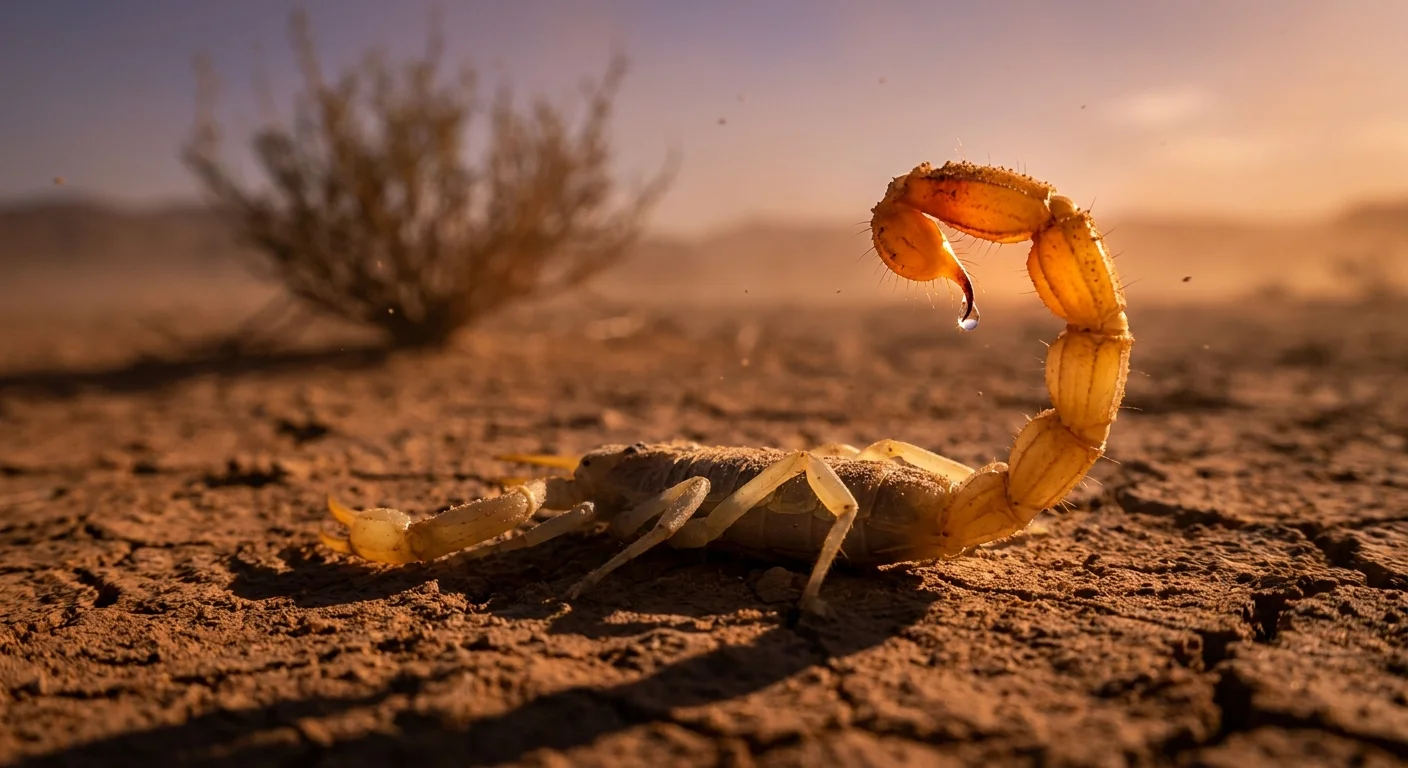
Deathstalker Scorpion: A Desert Stinger
Roaming the arid deserts and scrublands of North Africa and the Middle East, the deathstalker scorpion (Leiurus quinquestriatus) measures between 5.8 and 9 centimeters. Its pale yellow body blends perfectly with the sand, making it a hidden danger for barefoot travelers.
The deathstalker’s venom contains a potent cocktail of neurotoxins, including chlorotoxin and agitoxin. While a sting rarely kills a healthy adult, it causes excruciating pain, an elevated heart rate, and potential anaphylaxis. Children and the elderly face a high risk of lethal pulmonary edema if left untreated. Shake out your shoes and camping gear before use, and sleep on elevated cots when navigating desert environments.
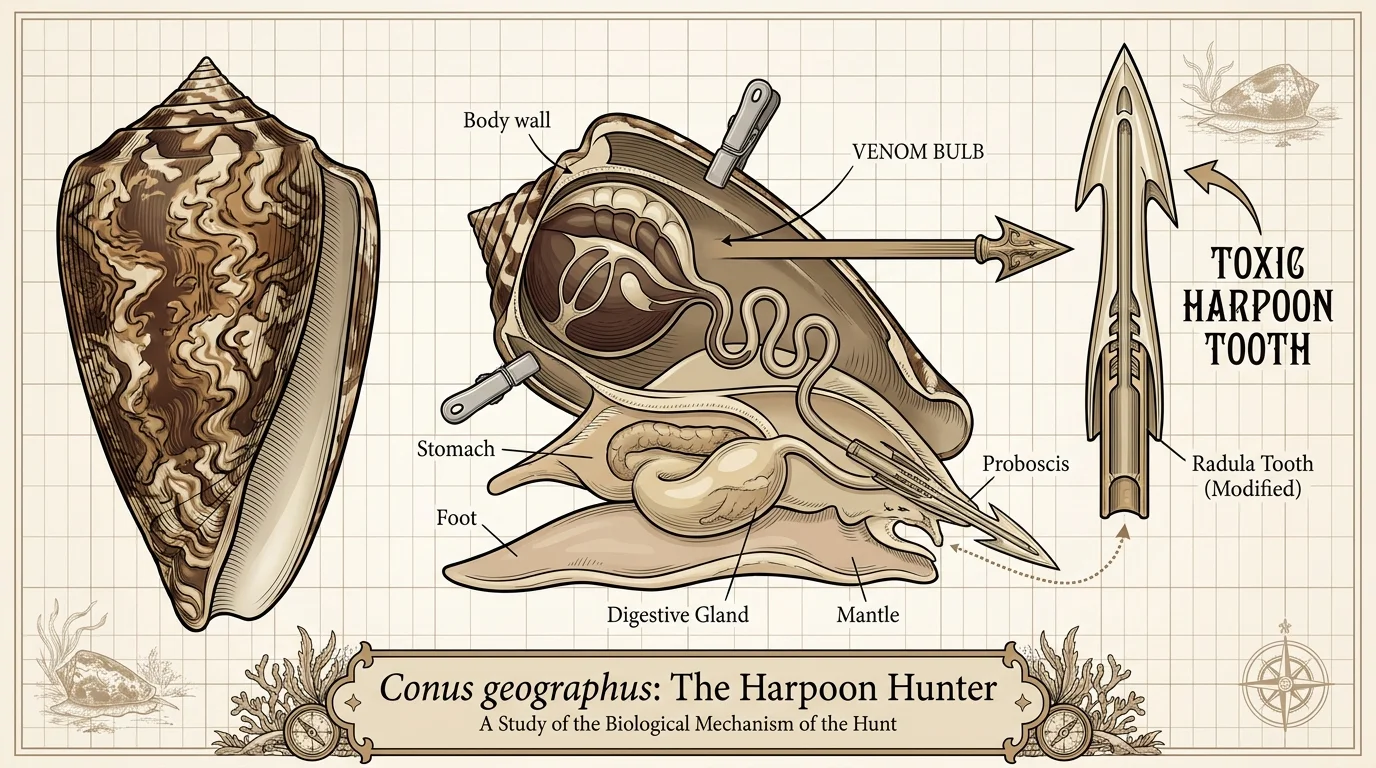
Geography Cone Snail: The Harpoon Hunter
Do not let the beautifully patterned shell fool you. The geography cone snail (Conus geographus) spans 10 to 15 centimeters and represents the most venomous snail on Earth. Found in the tropical Indo-Pacific reefs, this mollusk hunts small fish by firing a hollow, harpoon-like tooth laced with complex conotoxins.
If you pick up a live cone snail, it can extend its proboscis and pierce your skin, injecting a venom that causes immediate numbness followed by respiratory paralysis. Medical professionals possess no antivenom for cone snail stings; treatment relies solely on mechanical life support until the toxins clear your system. Admire seashells with your eyes, not your hands, especially when snorkeling in tropical coral reefs.
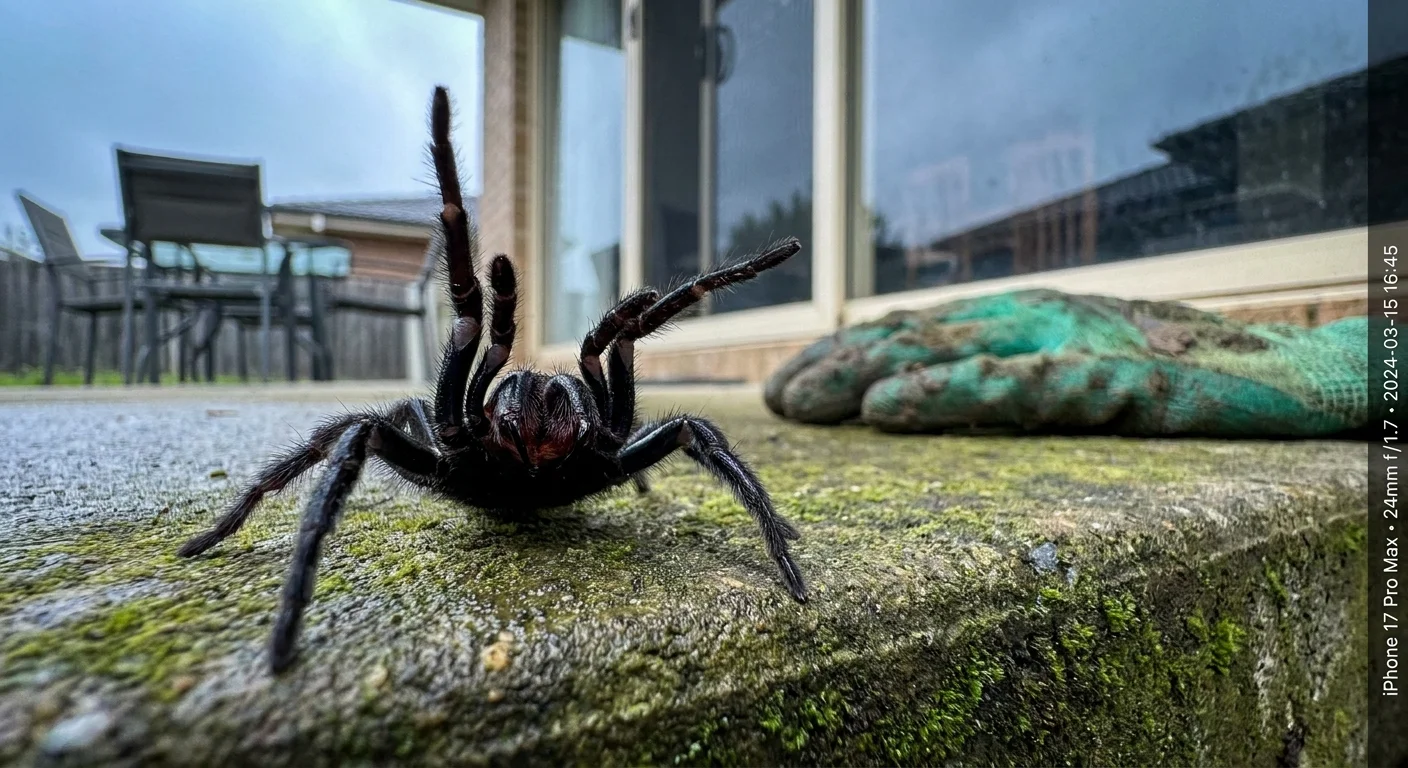
Sydney Funnel-Web Spider: Aggressive and Deadly
The Sydney funnel-web spider (Atrax robustus) boasts a glossy, blue-black body measuring just 1 to 5 centimeters. Found within a 100-kilometer radius of Sydney, Australia, this arachnid possesses large downward-pointing fangs capable of piercing through soft leather shoes or human fingernails.
When threatened, the spider rears up aggressively. Its venom contains robustoxin, a lethal compound that overloads the human nervous system, causing excessive sweating, severe muscle spasms, and confusion. Without medical intervention, a bite can kill a human in under an hour. Keep your garden clear of debris, wear thick gloves when doing yard work, and immediately apply a pressure immobilization bandage if bitten before rushing to the hospital.
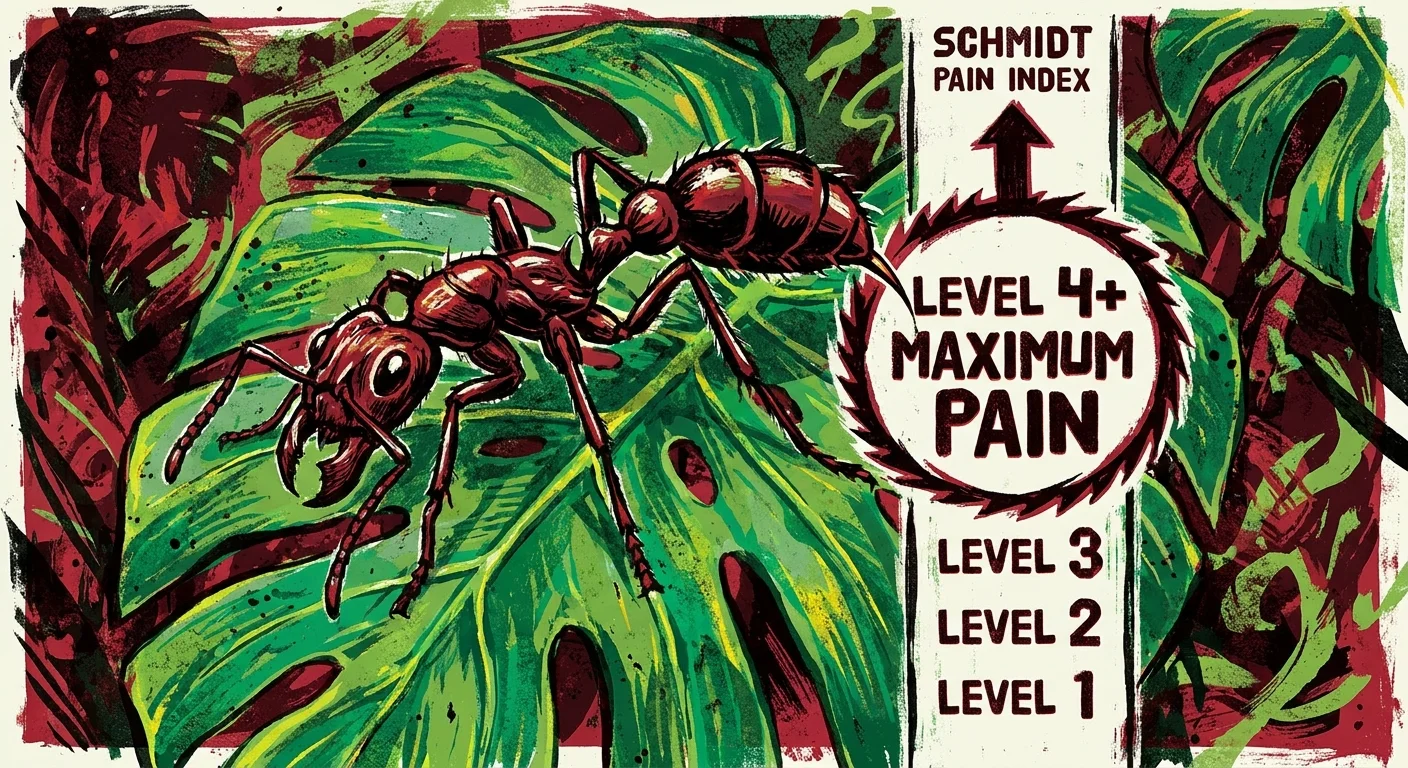
Bullet Ant: Maximum Pain
Deep in the humid lowland rainforests of Central and South America, the bullet ant (Paraponera clavata) patrols the underbrush. Growing up to 3 centimeters in length, this insect possesses the most painful sting on the planet. Entomologists rated it a 4.0+ on the Schmidt Sting Pain Index, comparing the sensation to walking over flaming charcoal with a three-inch nail in your heel.
The ant injects poneratoxin, a neurotoxic peptide that causes agonizing pain lasting up to 24 hours. While rarely fatal to humans, the sheer trauma of the sting can cause fainting, localized paralysis, and extreme nausea. Tuck your pants into your boots and avoid touching large trees or lianas where these ants heavily forage.
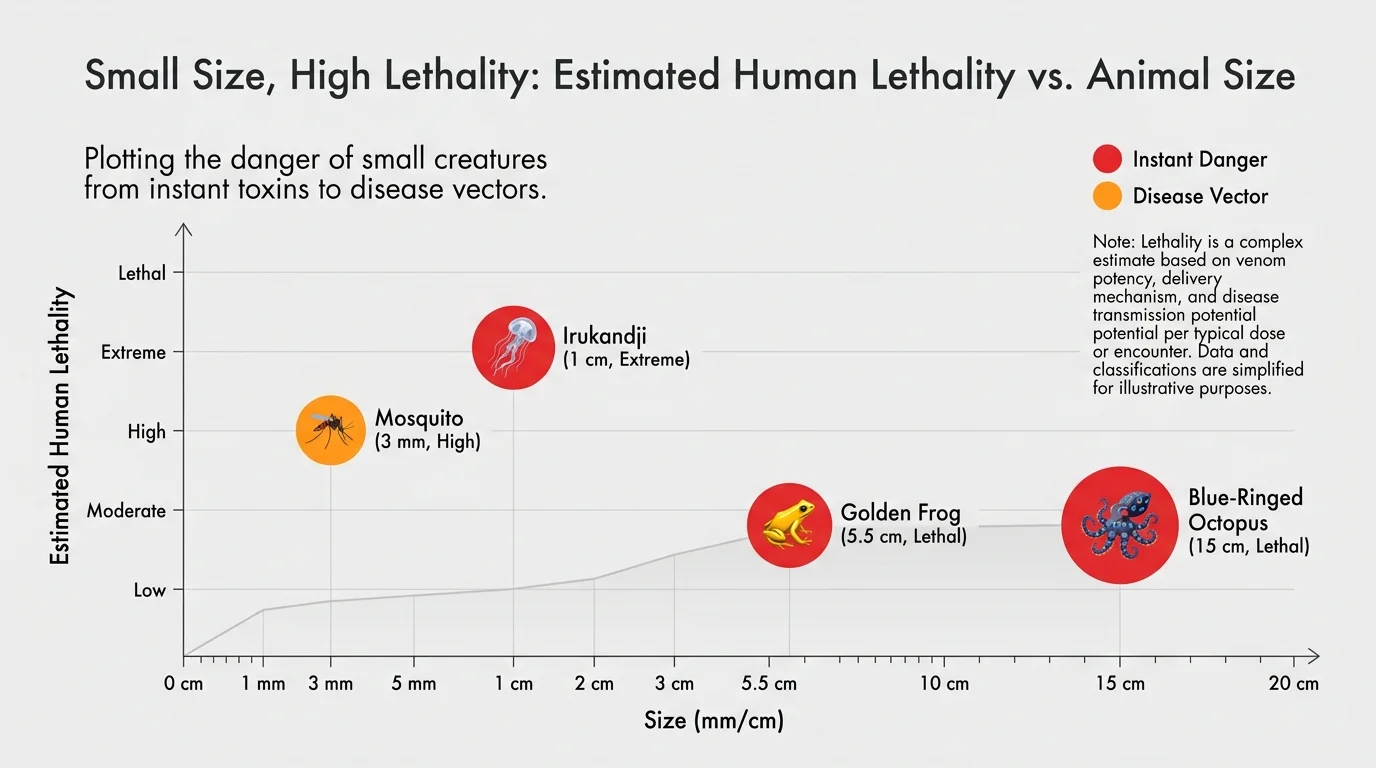
Analyzing the Deadliest Small Animals: Size and Lethality Comparison
To fully grasp how these tiny deadly animals operate, review this comparative breakdown of their physical size, geographic range, and primary biological weapons.
| Animal | Average Size | Primary Location | Lethal Mechanism |
|---|---|---|---|
| Mosquito (Anopheles) | 3–6 mm | Global (Tropical/Subtropical) | Parasitic disease vector |
| Blue-Ringed Octopus | 12–20 cm | Indo-Pacific Oceans | Tetrodotoxin (Neurotoxin) |
| Golden Poison Frog | 5.5 cm | Colombia | Batrachotoxin (Neurotoxin) |
| Irukandji Jellyfish | 1–2 cm (bell) | Australian Waters | Cardiovascular/Neurological toxins |
| Geography Cone Snail | 10–15 cm | Indo-Pacific Reefs | Conotoxins (Neuromuscular block) |
This data highlights a crucial wilderness survival rule: an animal’s physical footprint rarely correlates with the potency of its chemical defenses.
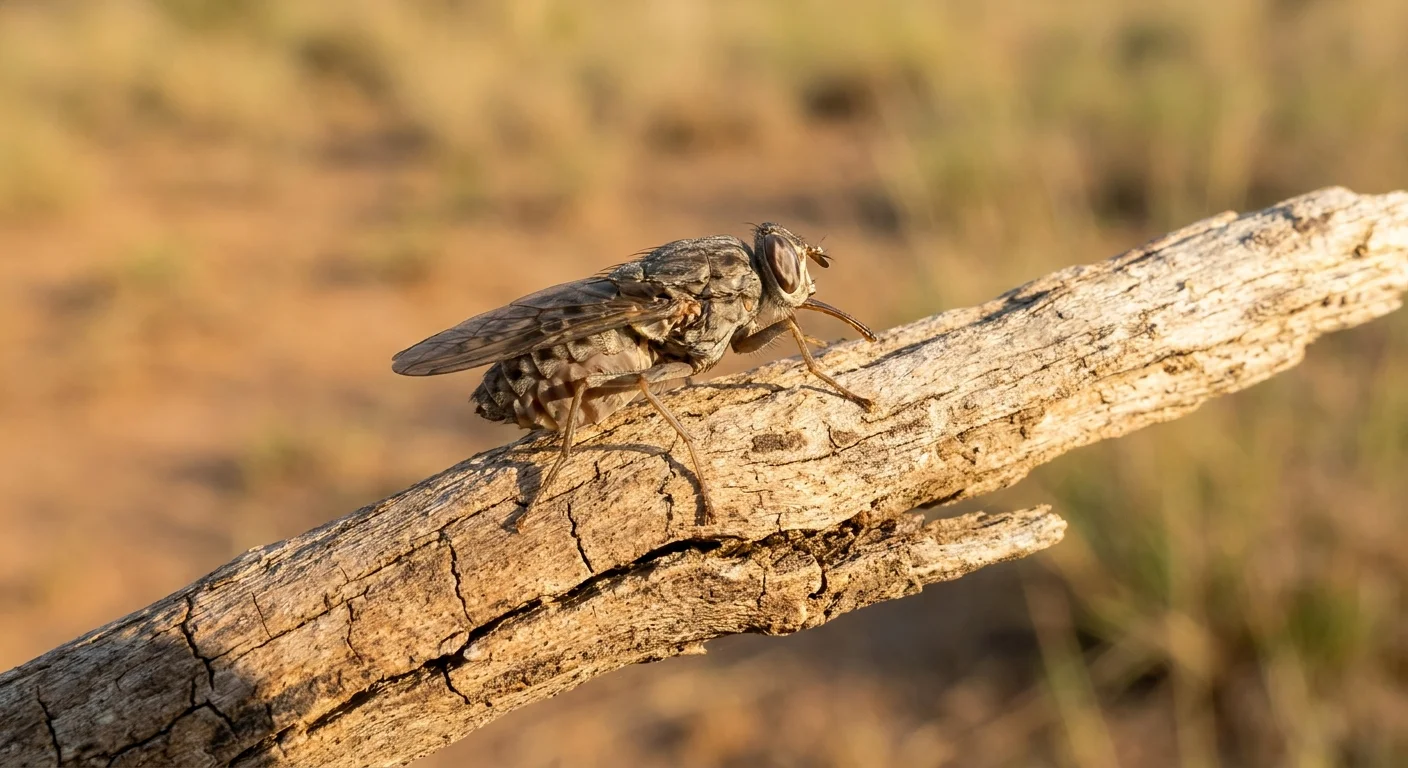
Tsetse Fly: The Sleeping Sickness Vector
The tsetse fly (Glossina species) measures just 8 to 17 millimeters, but it devastates entire regions across sub-Saharan Africa. Unlike standard houseflies, the tsetse fly utilizes a sharp proboscis to bite both humans and livestock to feed on their blood.
During this blood meal, the fly transmits microscopic parasites known as trypanosomes. These parasites cause African trypanosomiasis, commonly known as sleeping sickness. Early symptoms include fever, headaches, and joint pain. As the parasites cross the blood-brain barrier, they disrupt your central nervous system, leading to severe sleep disturbances, confusion, and ultimately death if untreated. Wear neutral-colored, medium-weight clothing when traveling in affected regions; tsetse flies are attracted to bright colors and can bite right through thin fabrics.
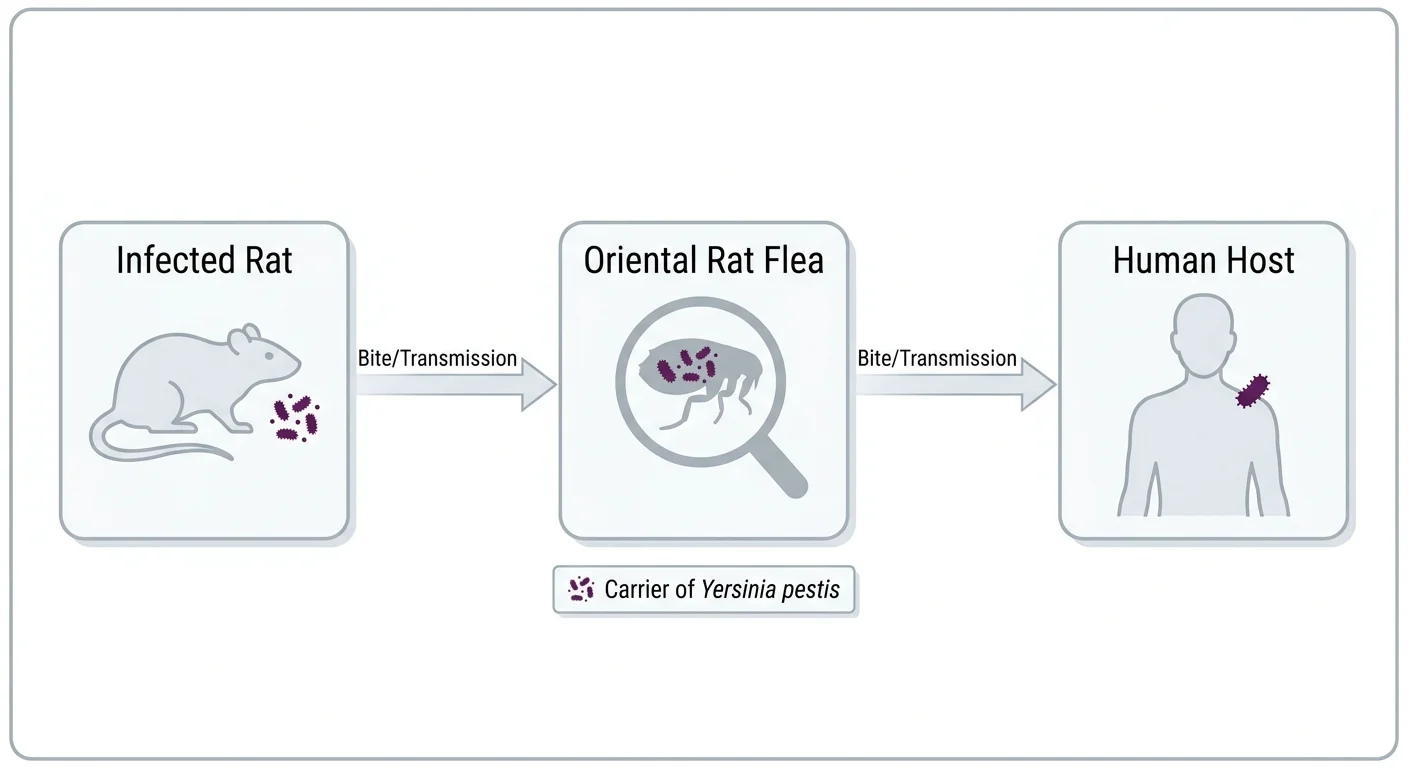
Oriental Rat Flea: The Plague Carrier
Measuring a microscopic 1.5 to 3.3 millimeters, the Oriental rat flea (Xenopsylla cheopis) fundamentally altered human history. This tiny parasite feeds on the blood of rodents and humans, acting as the primary vector for Yersinia pestis—the bacterium responsible for the bubonic plague.
When a flea bites an infected rat, the bacteria multiply and block the flea’s gut. Starving, the flea aggressively bites new hosts, regurgitating the deadly bacteria into the human bloodstream. While modern antibiotics can treat the plague today, outbreaks still occur in parts of Africa, Asia, and the Americas. Protect yourself by keeping your property free of rodent attractants and using veterinary-approved flea control products on your domestic pets.
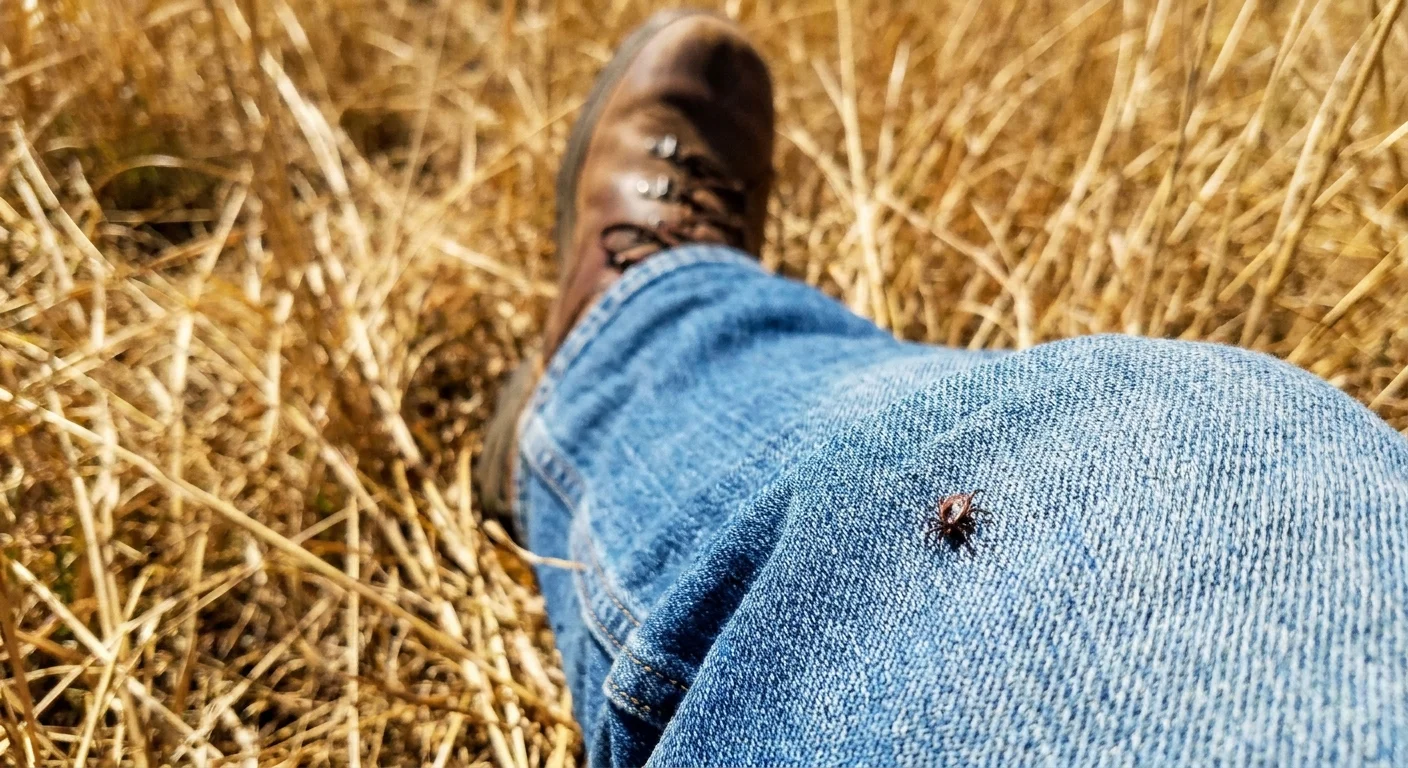
Black-Legged Tick: The Stealthy Parasite
The black-legged tick (Ixodes scapularis), often called the deer tick, is a stealthy arachnid the size of a sesame seed (2 to 3 millimeters). Found extensively across North America, these ticks wait on the tips of tall grasses to latch onto passing hosts in wooded areas.
They serve as the primary carriers of Borrelia burgdorferi, the bacterium that causes Lyme disease. A tick usually must remain attached to your skin for 36 to 48 hours to transmit the bacteria. Early signs include a bullseye-shaped rash and severe fatigue; untreated Lyme disease leads to debilitating neurological and joint issues. Perform thorough body checks after hiking, run your clothes through a high-heat dryer, and use fine-tipped tweezers to remove attached ticks close to the skin immediately.
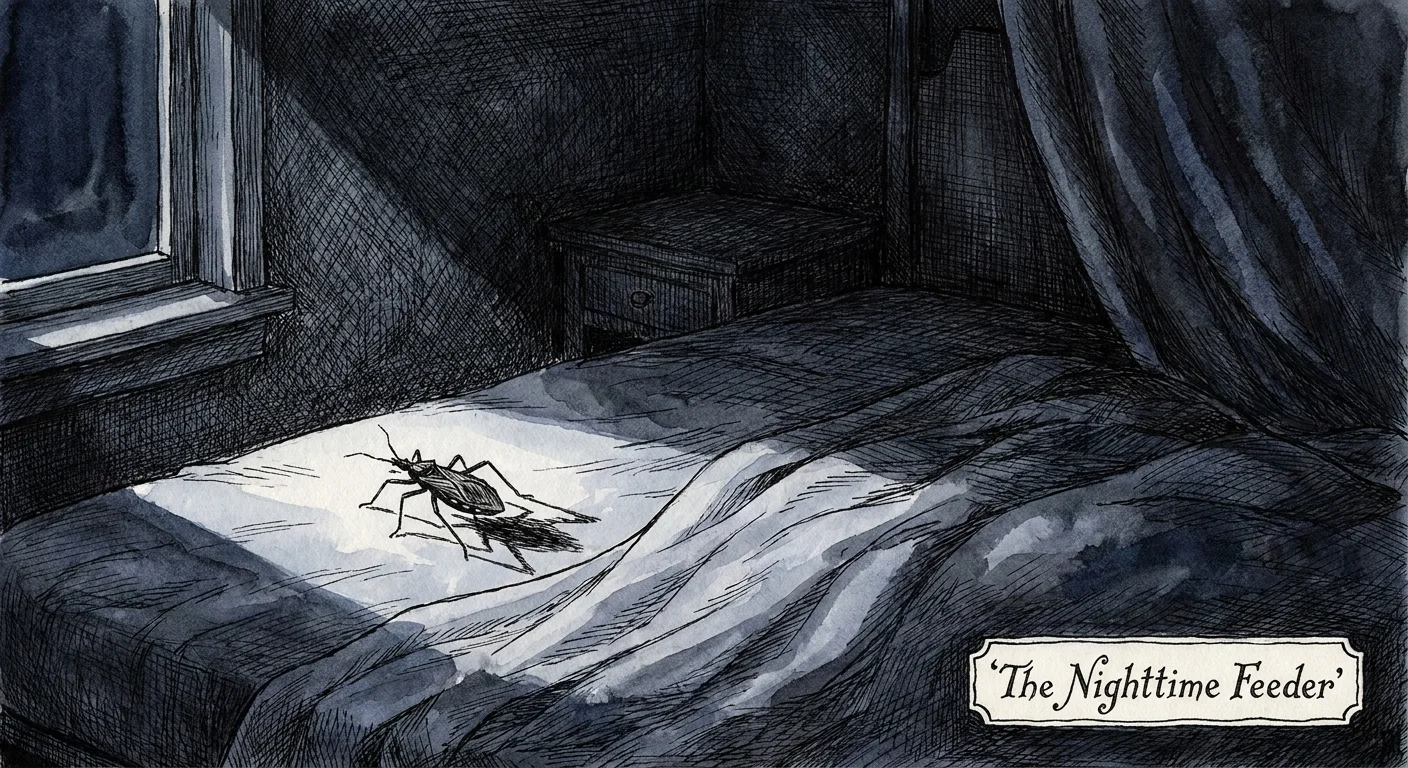
Kissing Bug: The Nighttime Feeder
Kissing bugs belong to the Triatominae subfamily and range from 1 to 3 centimeters in length. They earn their unsettling nickname from their habit of biting humans around the mouth and eyes while they sleep. Found primarily in the Americas, these nocturnal insects carry the Trypanosoma cruzi parasite.
After biting you, the kissing bug defecates near the wound. When you subconsciously scratch the bite in your sleep, you rub the parasite-laden feces directly into your bloodstream, causing Chagas disease. The World Health Organization (WHO) warns that chronic Chagas disease can lead to sudden heart failure years after the initial infection. Seal cracks around your home’s foundation and use mosquito nets if you sleep in poorly constructed dwellings in endemic regions.
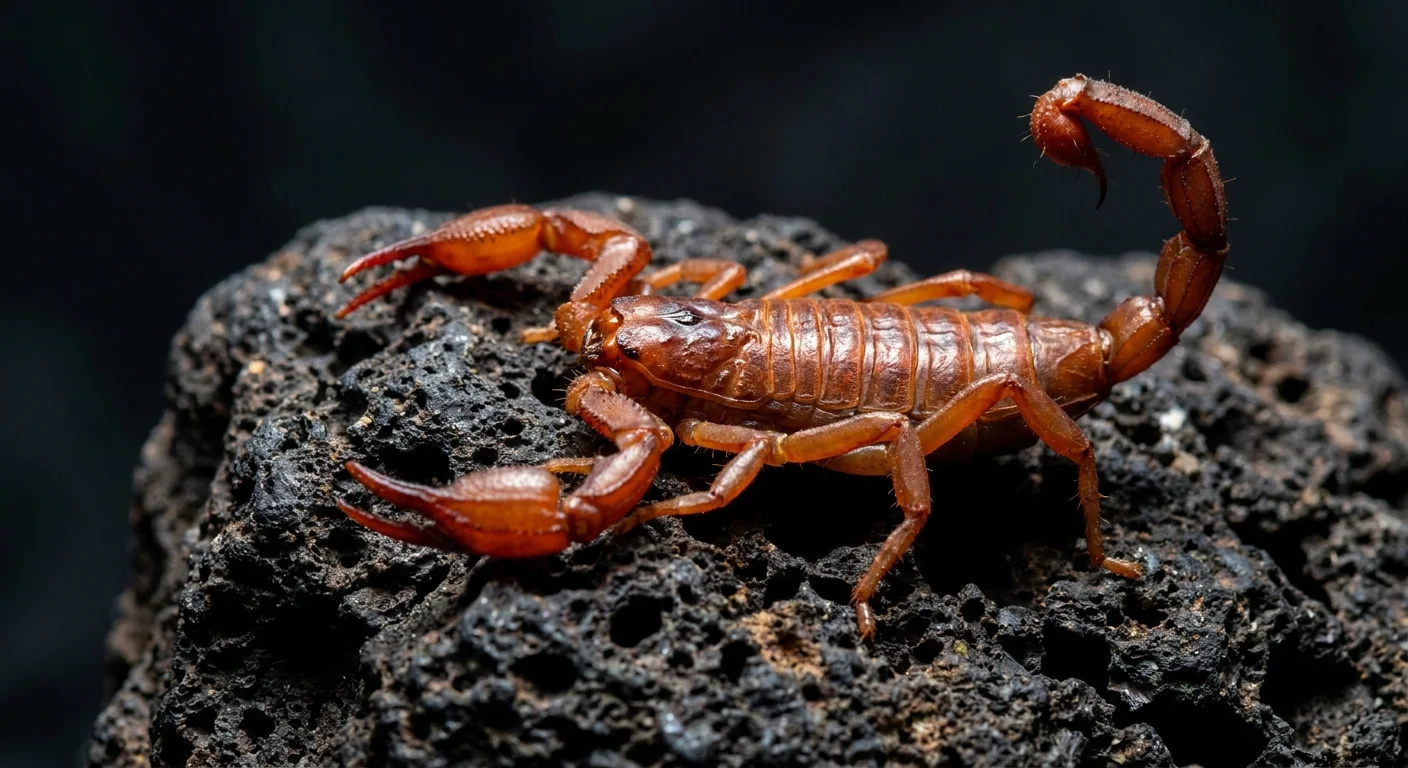
Indian Red Scorpion: The Cardiovascular Killer
The Indian red scorpion (Hottentotta tamulus) heavily dominates the list of the world’s most dangerous scorpions. Spanning just 5 to 9 centimeters, this arachnid thrives in densely populated areas of India, Pakistan, and Nepal, frequently entering homes to hide in clothing or bedding.
Unlike most scorpions that cause intense but localized pain, the Indian red scorpion delivers a venom loaded with deadly cardiovascular toxins. A sting triggers massive surges of catecholamines, causing extreme hypertension, profuse sweating, and fatal pulmonary edema, especially in children. In endemic regions, vigorously inspect your shoes before wearing them, pull your bed away from the walls, and clear dry brush away from your house to remove their preferred hiding spots.
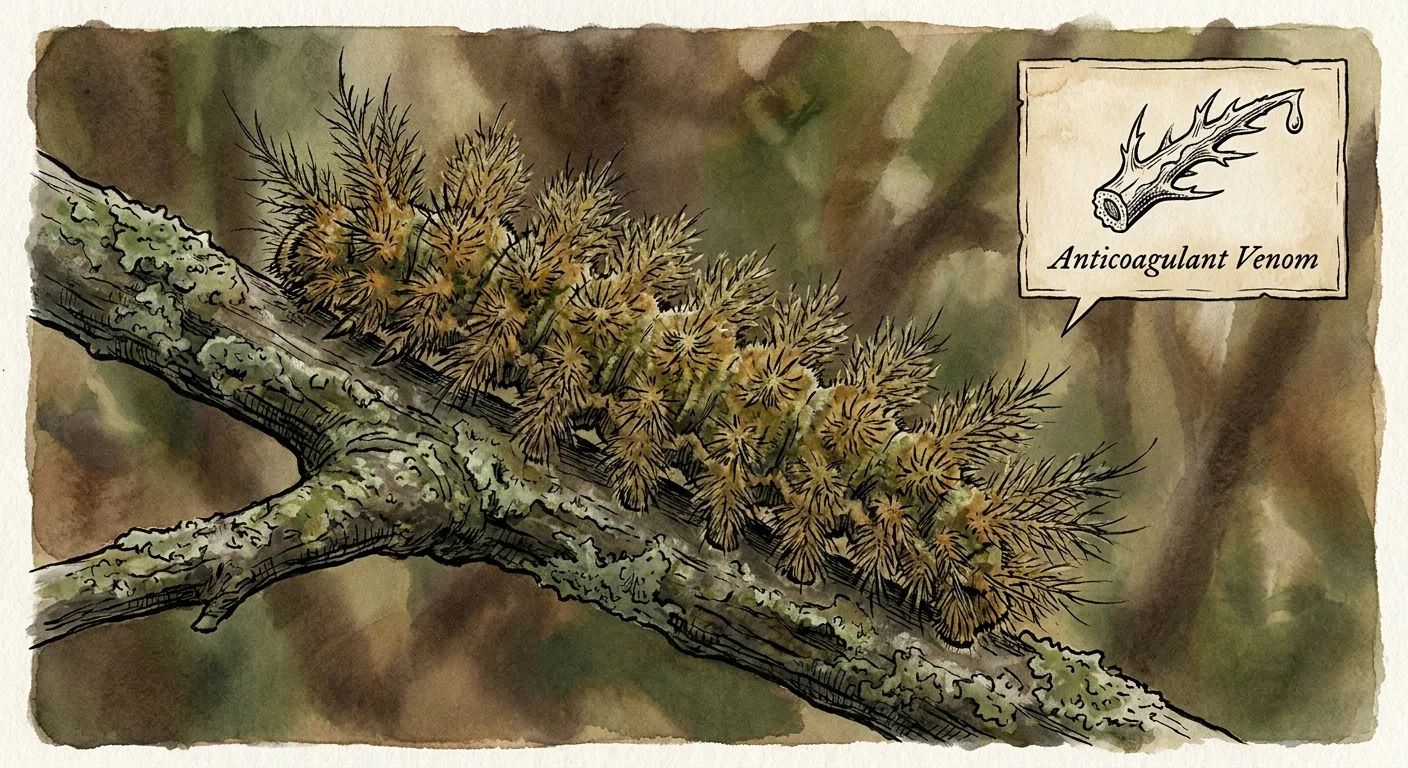
Giant Silkworm Assassin Caterpillar: Toxic Bristles
The giant silkworm assassin caterpillar (Lonomia obliqua) looks like a harmless, 5-centimeter tuft of green and brown pine needles. Native to southern Brazil, this caterpillar utilizes a uniquely terrifying defense mechanism. Its branched bristles act as hypodermic needles, injecting a highly potent anticoagulant venom when brushed against.
Accidentally leaning against a tree trunk covered in these camouflaged caterpillars causes severe Lonomia envenomation. The venom disrupts your blood’s ability to clot, leading to spontaneous bleeding from the gums, massively bruised skin, and fatal intracranial hemorrhaging or acute kidney failure. Stay vigilant when trekking through South American forests; always inspect tree trunks before resting your hand or leaning your back against the bark.
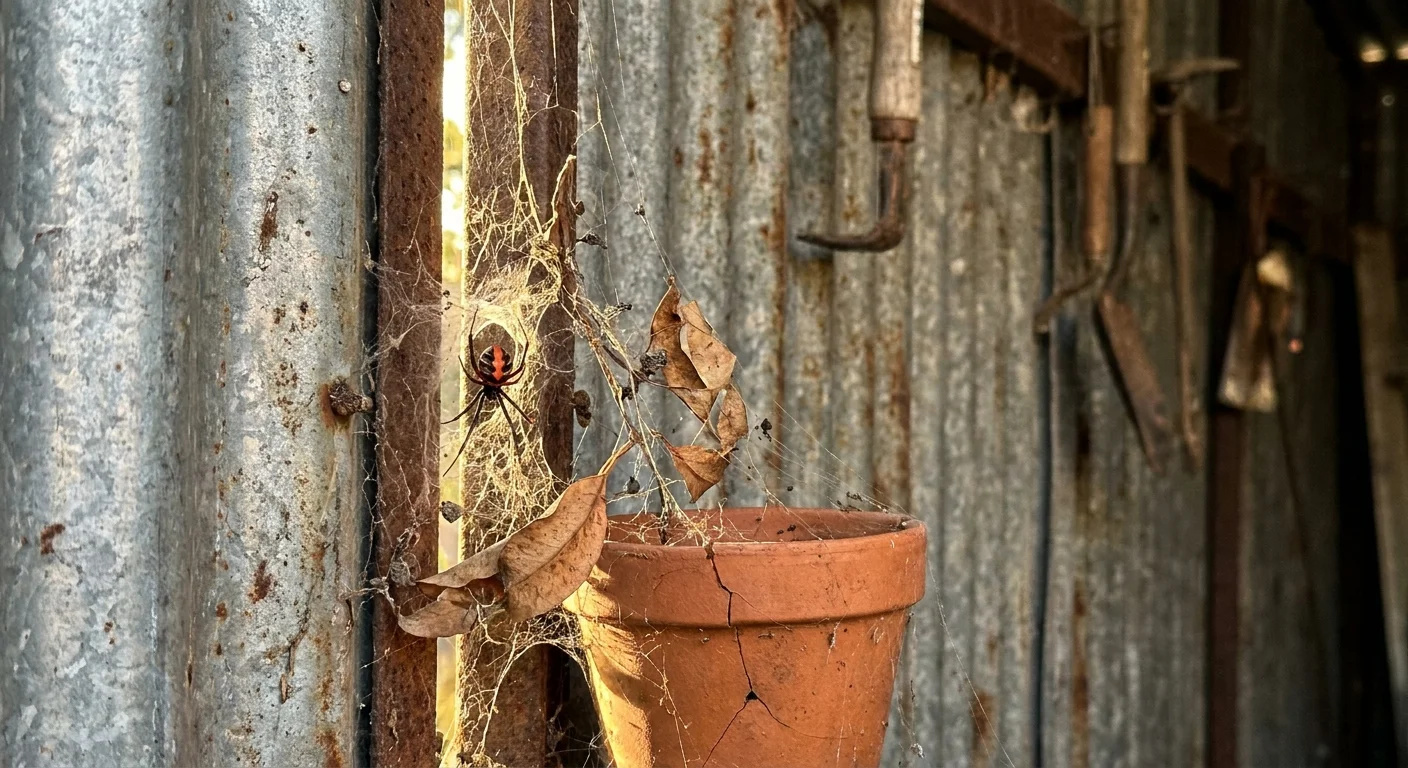
Redback Spider: A Lurking Danger
The female redback spider (Latrodectus hasselti) features a pea-sized, 1-centimeter black body marked with a distinct red stripe. Endemic to Australia but inadvertently spread to other countries through cargo, this highly venomous relative of the black widow prefers to live in close proximity to humans, building messy webs in mailboxes, sheds, and under outdoor furniture.
Her bite delivers alpha-latrotoxin, a neurotoxin that rapidly depletes your neurotransmitters. The envenomation results in latrodectism, characterized by agonizing, sweating-inducing pain that radiates up the bitten limb, severe muscle rigidity, and a rapid heart rate. While an effective antivenom exists, the systemic pain can last for days. Always look under the handles of outdoor bins and wear sturdy gardening gloves when reaching into dark, undisturbed crevices.
Why Respecting Miniature Wildlife Matters
Understanding the capabilities of these small size dangerous creatures completely shifts how you interact with the natural world. Human beings instinctively fear large, toothy predators, yet the statistics overwhelmingly prove that tiny deadly animals pose a far greater threat to your daily survival. They compensate for their lack of physical size by producing some of the most sophisticated chemical weapons and harboring the most destructive pathogens on the planet.
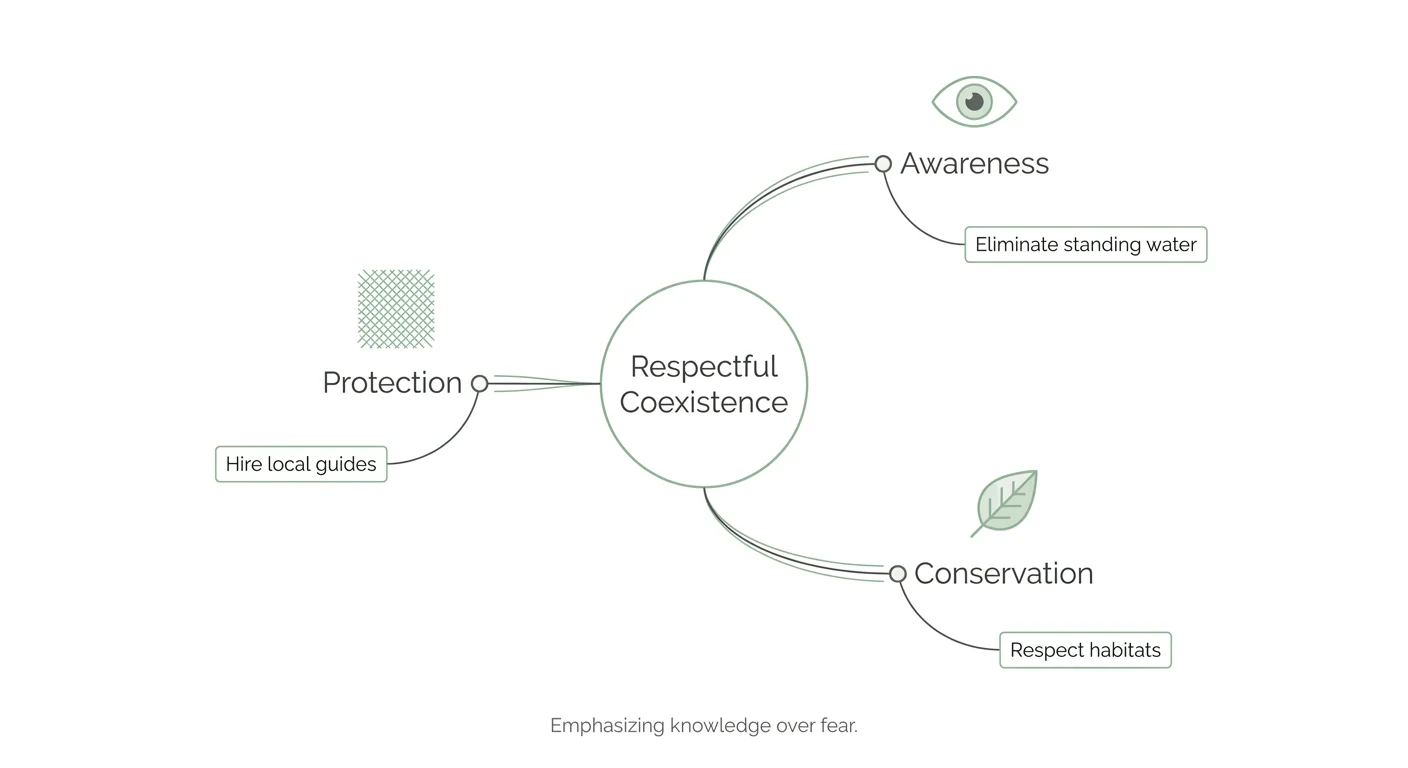
You do not need to live in constant fear of nature, but you must practice situational awareness. Whether you are shaking out your boots in a desert environment, avoiding brightly colored amphibians in the rainforest, or applying insect repellent in your own backyard, informed caution acts as your best defense. By respecting their space and understanding their unique habits, you can safely coexist with the most lethal small animals on Earth.