You can now monitor the health of endangered killer whales without disturbing a single pod. Marine biologists achieve this by pairing custom research drones with a remarkable scent-detection dog riding the bow of a research boat.
This innovative partnership combines cutting-edge robotics and canine olfaction to collect vital medical data without invasive skin biopsies.
By capturing exhaled breath droplets from the air and locating floating scat on the water, researchers gain real-time health insights to protect the Pacific Northwest’s 76 remaining Southern Resident orcas.
In This Briefing07 Sections ▾
- 01A Revolution in Non-Invasive Marine Biology
- 02Eba: The Bow-Riding Scat-Detection Specialist
- 03Drones in the Mist: Capturing Orca Breath and Body Heat
- 04How Drone Blow-Sampling and Canine Scent Tracking Compare
- 05What the Biological Data Tells Us About Orca Survival
- 06Regulations and Best Practices for Boaters and Drones
- 07Why Dual Non-Invasive Monitoring Matters
A Revolution in Non-Invasive Marine Biology
For decades, tracking cetacean health required shooting biopsy darts into whale blubber. While effective, that traditional approach risked causing physical injury, infection, and measurable behavioral stress.
Today, researchers at The SeaDoc Society and the San Diego Zoo Wildlife Alliance rely on completely hands-off methods.
A landmark study by Lo et al., published in Marine Mammal Science in October 2024, analyzed over 1,000 drone breath-sampling flights. The study confirmed that orcas display minimal behavioral reactions to aerial sampling.
Eba: The Bow-Riding Scat-Detection Specialist
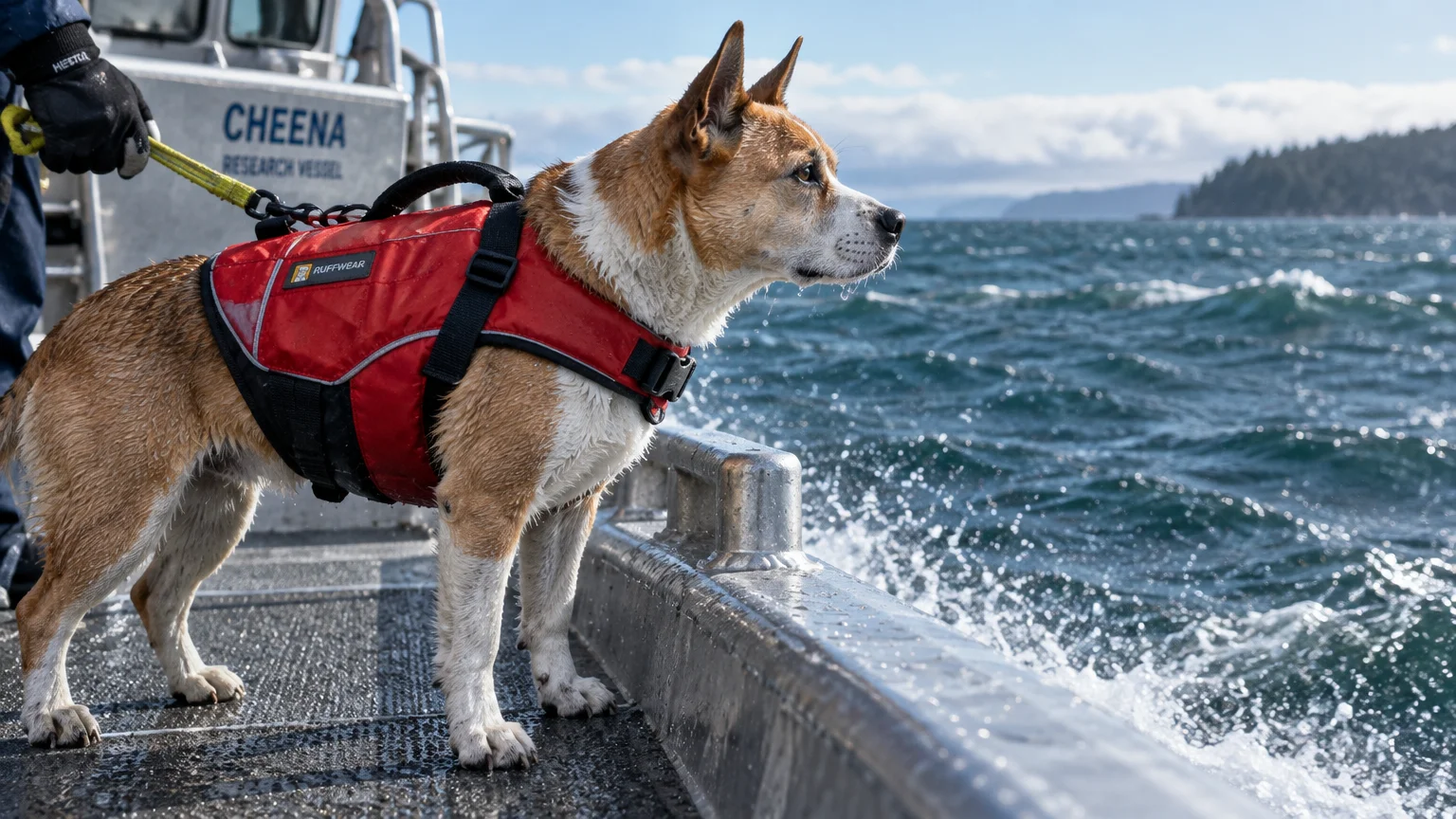
On the water, you cannot manage what you cannot measure. That is where an 11-year-old rescue dog named Eba plays an irreplaceable scientific role.
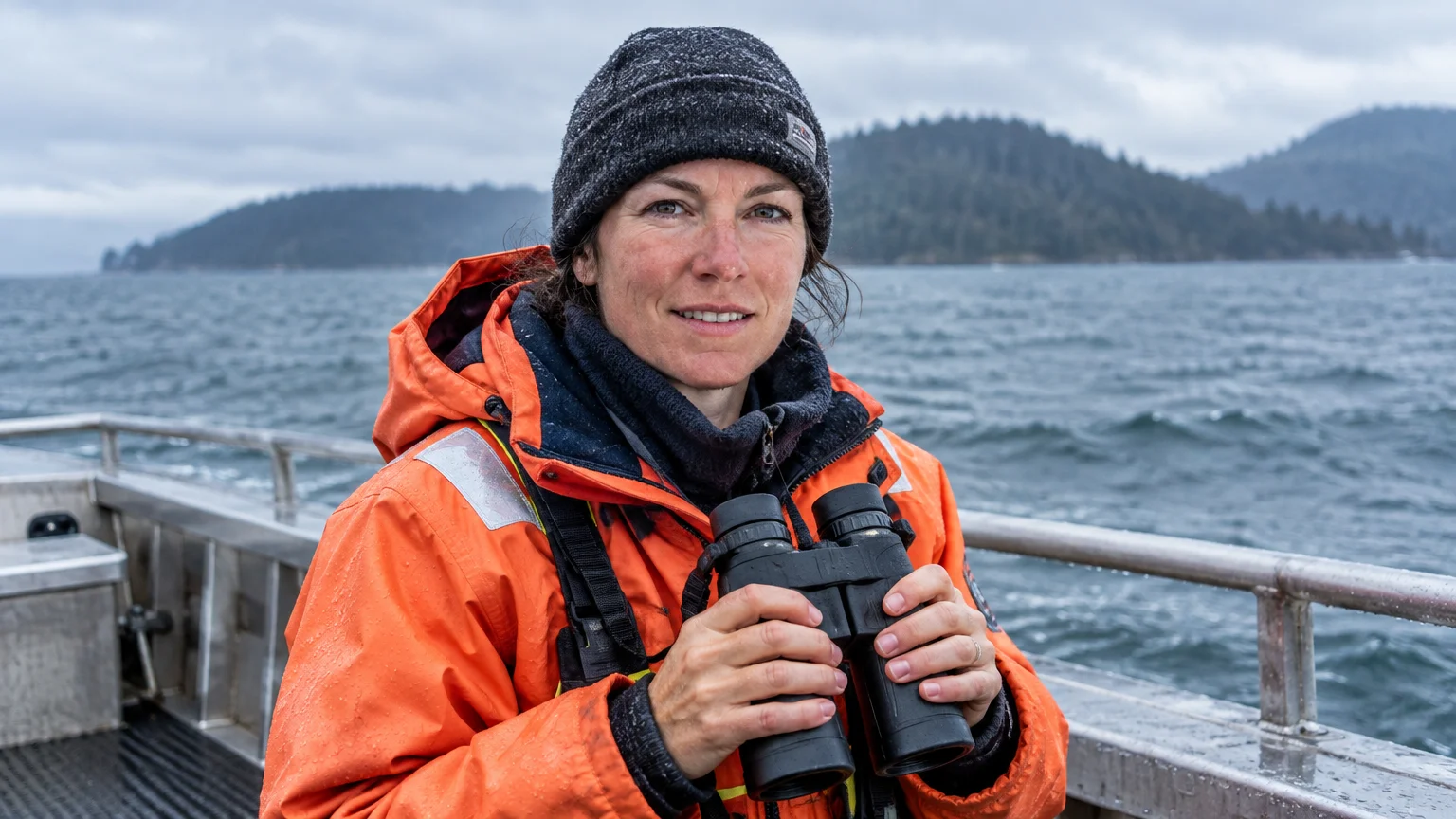
Eba is a pitbull, corgi, and terrier mix handled by marine biologist Dr. Deborah Giles aboard the 22-foot research vessel Cheena.
Perched on the bow, Eba can detect floating killer whale feces from up to one nautical mile away. She found her first wild sample on July 6, 2019.
Whenever Eba alerts Giles to a scent trail, the crew navigates downwind to retrieve the floating sample before it sinks. Her reward for every successful discovery is an energetic game of rope tug-of-war.
These fecal samples provide a treasure trove of biological data. Scientists extract stress hormones, reproductive hormones, nutritional markers, parasites, and prey DNA to evaluate each individual whale.
Drones in the Mist: Capturing Orca Breath and Body Heat
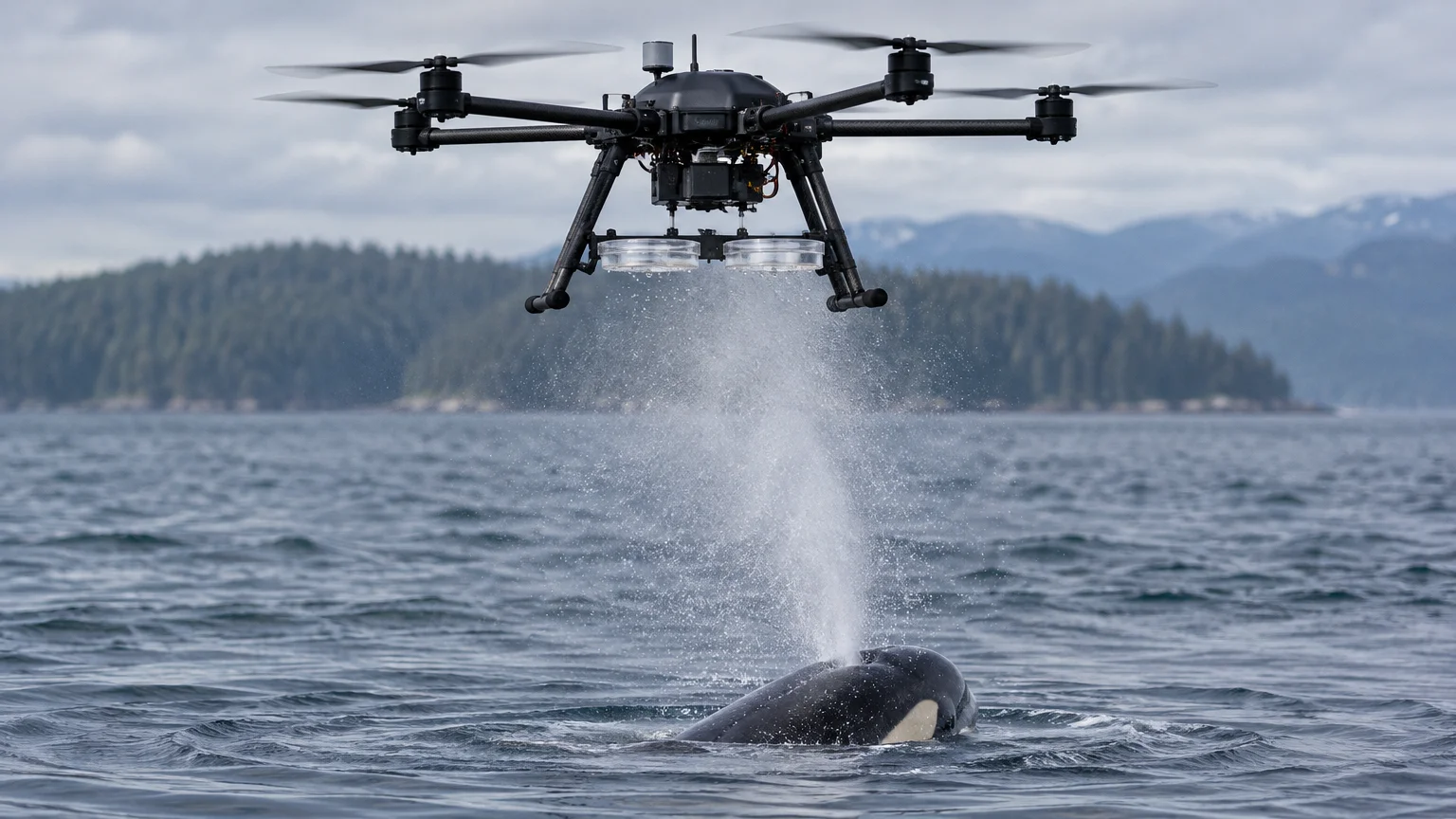
While Eba scans the sea surface, airborne drones sample the atmosphere above the pods. SDZWA senior scientist Dr. James Sheppard pilots specialized multi-rotor drones directly through orca exhalations.
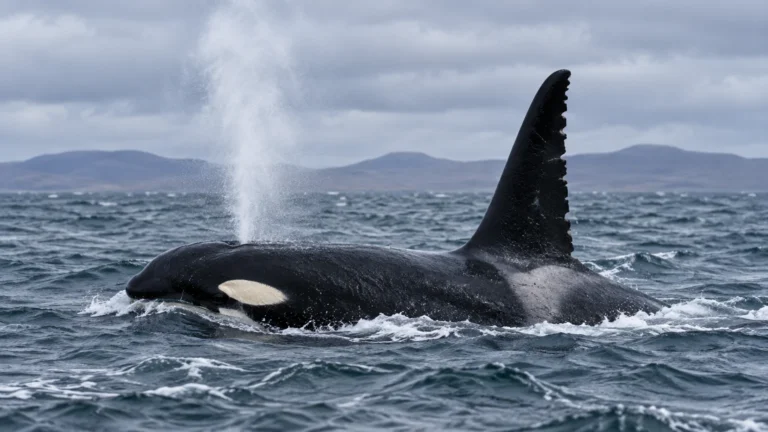
Orca spouts can erupt 6 to 10 feet into the air. Sheppard drops the drone to roughly a dozen feet above the water, sweeping horizontally across the mist.
Mounted petri dishes and sterile glass slides catch respiratory droplets suspended in the spray. The drone immediately flies back to the boat, preventing sun and wind from degrading delicate biological molecules.
Thermal infrared sensors on the aircraft also record the whale’s surface temperature as it breathes. This reading helps veterinarians flag early stages of systemic inflammation or fever.
In October 2026, this pioneering drone program won top honors in the Academia and Research category at the inaugural Global Drone Operations Awards.
How Drone Blow-Sampling and Canine Scent Tracking Compare
Pairing aerial drones with a scent-detection dog allows researchers to gather complementary biological datasets simultaneously. Inspect the matrix below to see how each tool contributes to killer whale health assessments.
| Feature | Canine Scent Detection (Eba) | Drone Aerial Sampling |
|---|---|---|
| Target Material | Floating fecal deposits on the surface | Exhaled respiratory mist (blow) |
| Primary Biomarkers | Pregnancy hormones, cortisol, parasites, prey DNA | Respiratory microbiome, bacteria, fungi, body temperature |
| Operating Range | Up to 1 nautical mile downwind on water | Line of sight within research flight limits |
| Sample Collection Method | Fine-mesh dip net from boat bow | Mounted sterile petri dishes and slides |
| Animal Impact Level | Zero impact; samples collected after whales pass | Negligible response; basic awareness without avoidance |
What the Biological Data Tells Us About Orca Survival
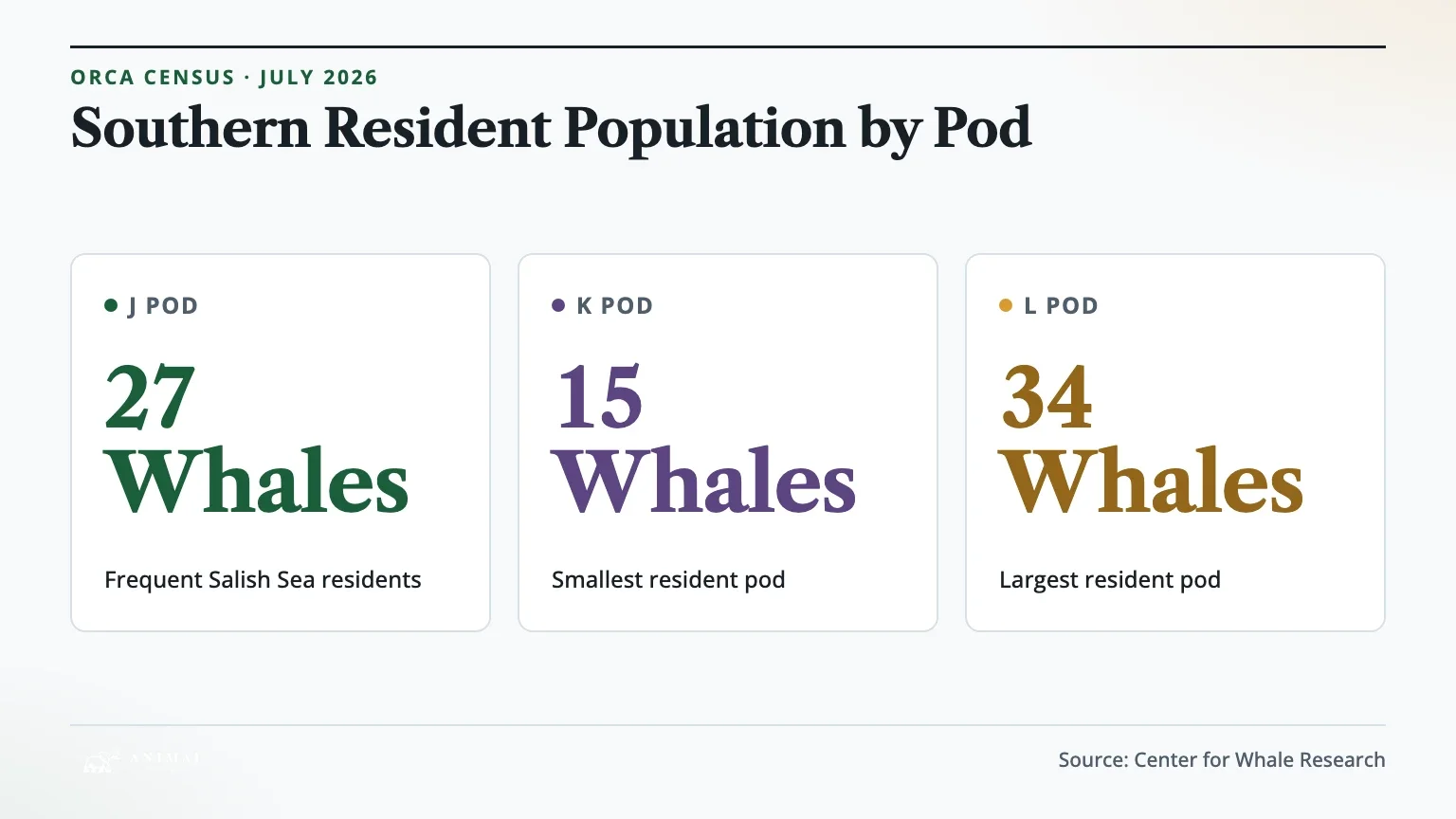
The Southern Resident killer whale community is struggling to survive in the urbanized waters of the Salish Sea. The Center for Whale Research reported only 76 individuals in their July 1, 2026 census.
The population remains split across three pods: 27 whales in J Pod, 15 in K Pod, and 34 in L Pod. Although four calves were born between 2025 and 2026, only two survived.
Data gathered from Eba’s fecal samples revealed alarming rates of pregnancy failure among breeding females. Malnutrition directly drives these miscarriages when adult salmon runs collapse.
Dietary DNA studies demonstrate that salmon comprises 98.6% of the Southern Resident diet, with Chinook salmon representing 79.5%. Unfortunately, modern Chinook average just 12.5 pounds, compared to historic weights exceeding 100 pounds.
Because food is scarce near the San Juan Islands, the pods are shifting their hunting habits. They now travel further south into Puget Sound during autumn to pursue coho and chum salmon.
Regulations and Best Practices for Boaters and Drones
You must follow strict marine guidelines if you encounter killer whales while boating in the Pacific Northwest. State and federal agencies enforce these boundary laws to prevent vessel acoustic interference.
Under Washington State’s RCW 77.15.740, all recreational and commercial vessels must remain at least 1,000 yards away from Southern Resident killer whales. Boaters must also keep speeds under seven knots within a half-mile.
If an orca surfaces within 400 yards of your vessel, state law requires you to disengage your engine immediately. In Canadian waters, a mandatory 1,000-meter buffer applies through May 2027.
Federal regulations also restrict recreational drone flights under NOAA Fisheries and Be Whale Wise policies. Casual operators cannot fly drones within protection buffers or below 1,000 feet near marine mammals.
Research teams like SeaDoc Society and SDZWA operate under stringent federal permits, such as NMFS Permit #26288-01. Unauthorized public drone harassment carries severe civil and criminal penalties under federal law.
Why Dual Non-Invasive Monitoring Matters
Combining drone technology with scent-detection dogs proves that conservation science can deliver rich diagnostic data without stressing vulnerable animals. Every sample collected from the air and water brings researchers closer to protecting these iconic marine predators.