
Native American legends, pioneer tall tales, and Appalachian folklore brim with animals that mirror human virtues and fears. You can trace the cultural heartbeat of the United States by looking at the wildlife that stalks its myths. From the wily coyote playing the trickster in Western deserts to the powerful alligator guarding Southern swamps, native species symbolize our complex relationship with the natural world. Exploring these stories offers you a profound lens into how early communities survived, respected, and feared their wild neighbors. By understanding the real biology behind these ten legendary creatures, you can better appreciate their ecological roles today and take actionable steps to protect the wild heritage they represent.
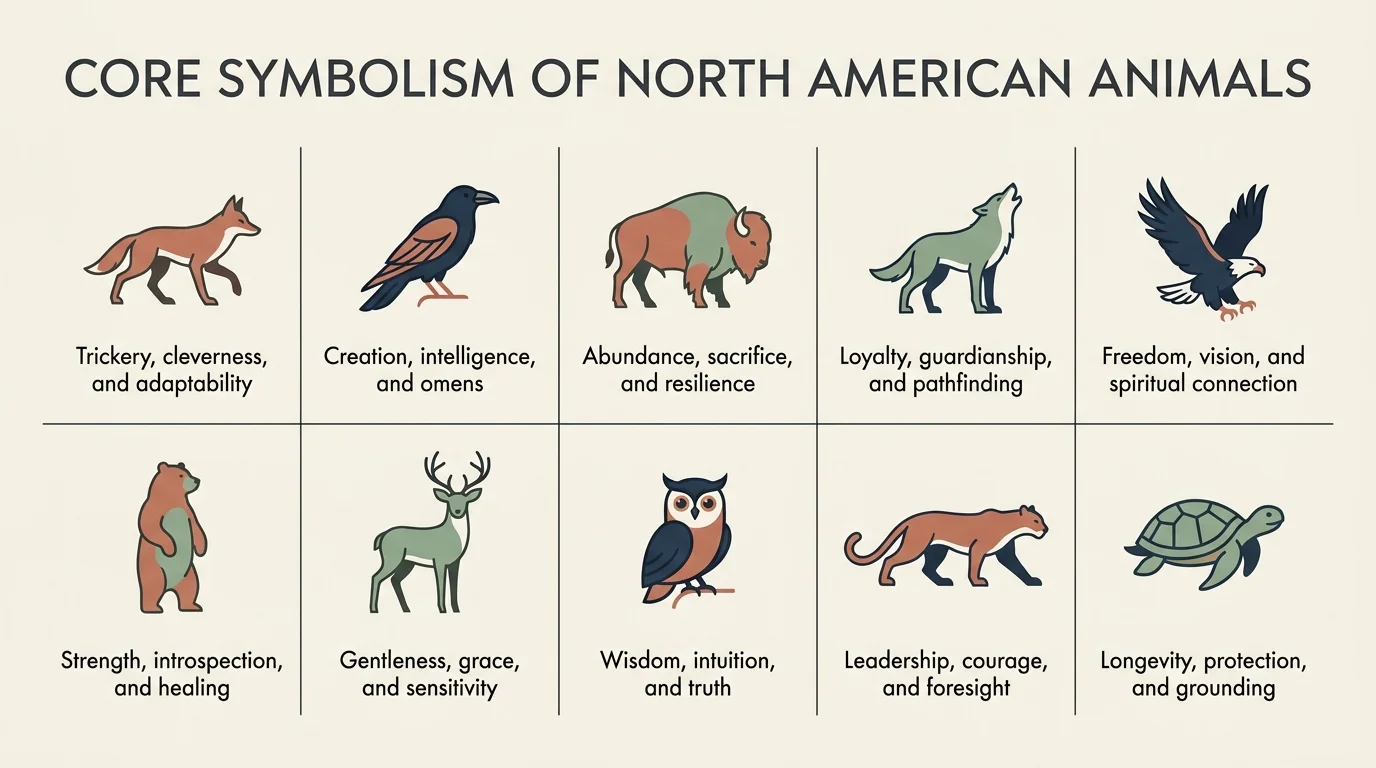
Quick Reference: Symbolic Animals of North America
| Animal | Scientific Name | Core Symbolism |
|---|---|---|
| Coyote | Canis latrans | Trickery, cleverness, and adaptability |
| Common Raven | Corvus corax | Creation, intelligence, and omens |
| Bald Eagle | Haliaeetus leucocephalus | Freedom, courage, and spiritual vision |
| American Bison | Bison bison | Abundance, sacrifice, and resilience |
| Great Horned Owl | Bubo virginianus | Wisdom, mystery, and the afterlife |
| American Black Bear | Ursus americanus | Strength, healing, and introspection |
| Raccoon | Procyon lotor | Curiosity, mischief, and survival |
| Black-Tailed Jackrabbit | Lepus californicus | Speed, agility, and tall tales |
| Gray Wolf | Canis lupus | Loyalty, pathfinding, and predatory power |
| American Alligator | Alligator mississippiensis | Primal danger, patience, and swamp lore |
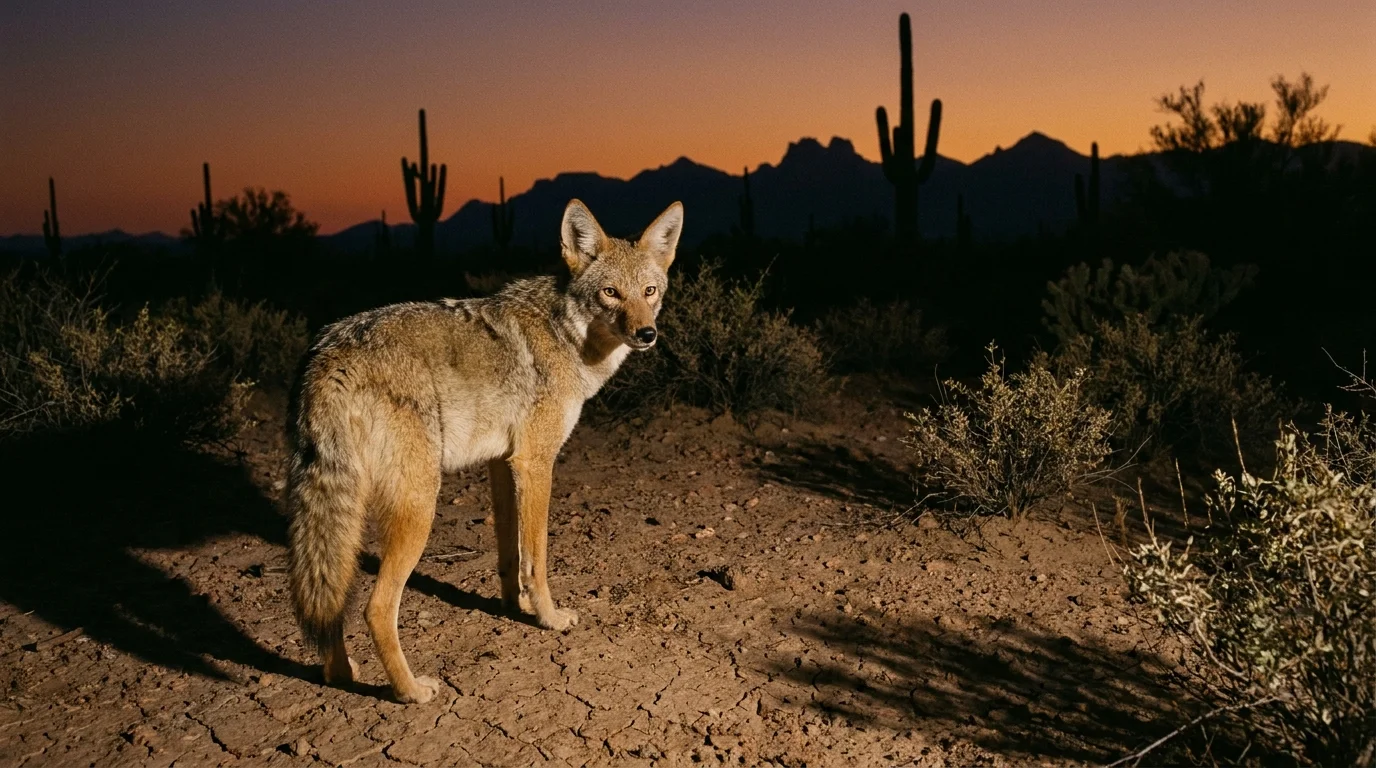
The Coyote: The Ultimate Desert Trickster
The coyote (Canis latrans) is a highly adaptable omnivore that thrives across North America. Despite extensive human expansion and habitat disruption, coyotes have successfully broadened their geographic range. Weighing between 20 and 50 pounds, these slender canines live roughly 6 to 8 years in the wild, utilizing a sharp sense of hearing, smell, and sight to hunt small rodents.
In Native American folklore—particularly among the Navajo, Hopi, and other Western tribes—Coyote plays the archetypal Trickster. He is a complex character who simultaneously brings fire and wisdom to humanity while falling victim to his own arrogance and foolishness. The coyote represents the chaotic, unpredictable forces of nature, reminding humans that intellect must be paired with humility.
You can help keep coyotes wild and prevent negative encounters by strictly securing your pets and garbage. If you spot a coyote in your neighborhood, practice active hazing; wave your arms, shout loudly, and make yourself appear intimidating. Reinforcing their natural fear of humans is the most effective way to protect both your community and the local coyote population.
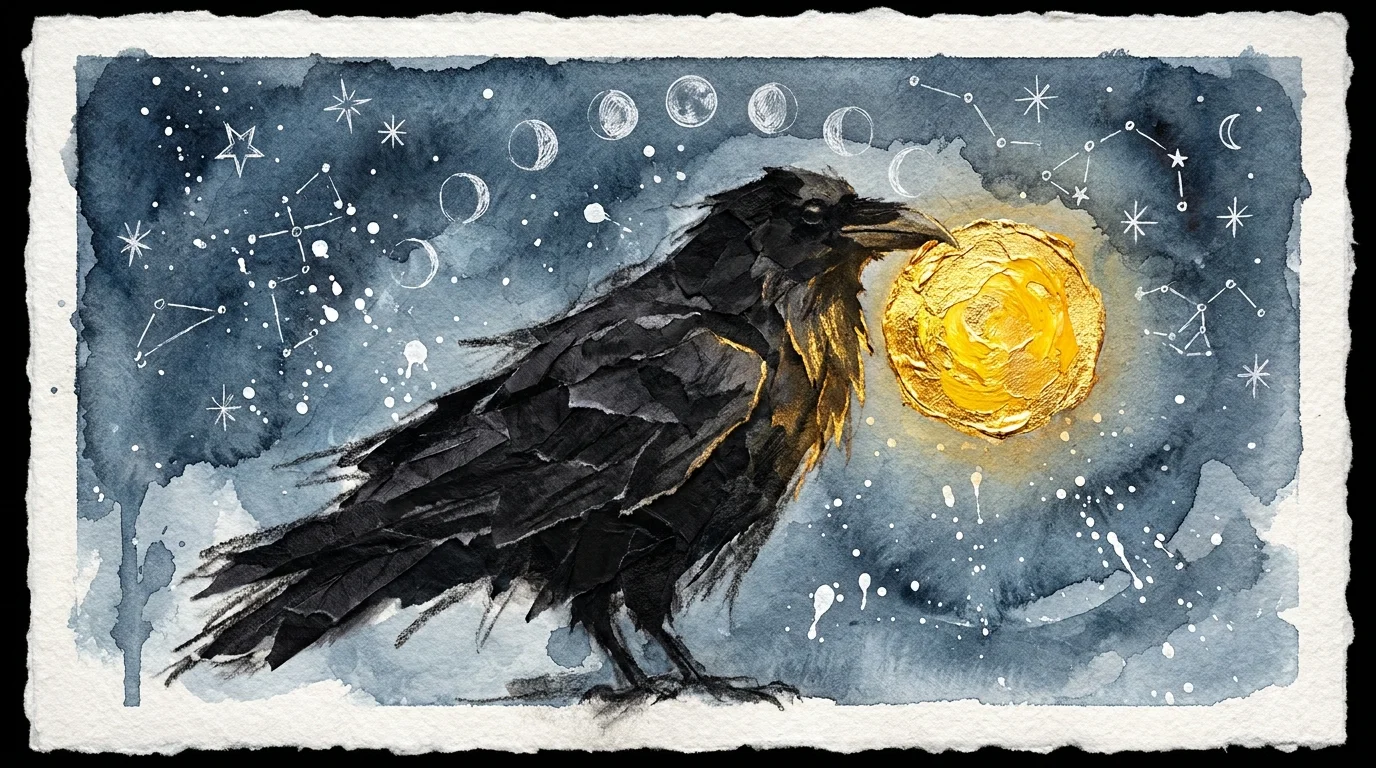
The Common Raven: A Messenger of Creation and Omen
Revered as some of the most intelligent creatures in the animal kingdom, common ravens (Corvus corax) are large, all-black birds boasting a wingspan of up to 53 inches. They exhibit remarkable problem-solving skills, use tools, and even engage in playful behaviors like sliding down snowbanks purely for fun. In the wild, ravens can live for 13 to 21 years, forming strong social partnerships and caching food for later use.
Across the Pacific Northwest, indigenous cultures celebrate the Raven as a central creator figure. According to legend, the Raven stole the sun, moon, and stars to bring light to a dark world. Conversely, European settlers and Appalachian folklore often branded the raven as a dark omen of death or war, likely due to its jet-black plumage and tendency to scavenge on battlefields.
You can observe their fascinating social dynamics by watching them forage in natural environments. However, you should never leave food out for them. Feeding ravens disrupts their natural foraging instincts and can artificially inflate their populations, which places undue pressure on other vulnerable bird species whose nests ravens occasionally raid.

The Bald Eagle: The Embodiment of Freedom and Vision
With a wingspan reaching up to 7.5 feet, the bald eagle (Haliaeetus leucocephalus) commands your absolute attention. These massive raptors build some of the largest nests of any bird, sometimes measuring 10 feet across and weighing a half ton. While their average wild lifespan spans 20 to 30 years, they almost disappeared entirely; habitat loss and the pesticide DDT nearly drove them to extinction. Today, thanks to robust environmental protections, over 316,000 bald eagles soar across the United States.
Native American cultures deeply revere the bald eagle, viewing it as a direct messenger to the Creator because it flies higher than any other creature. Its feathers are sacred, symbolizing courage, strength, and sharp spiritual vision. In 1782, the United States officially adopted the bald eagle as its national emblem, cementing its folklore status as the ultimate representation of liberty.
You can play a direct role in protecting these majestic birds by switching to non-lead fishing tackle and hunting ammunition. Scavenging eagles frequently ingest lead fragments from abandoned animal carcasses or lost fishing weights, leading to fatal neurological damage. Choosing non-toxic gear makes a massive difference for local raptor populations.
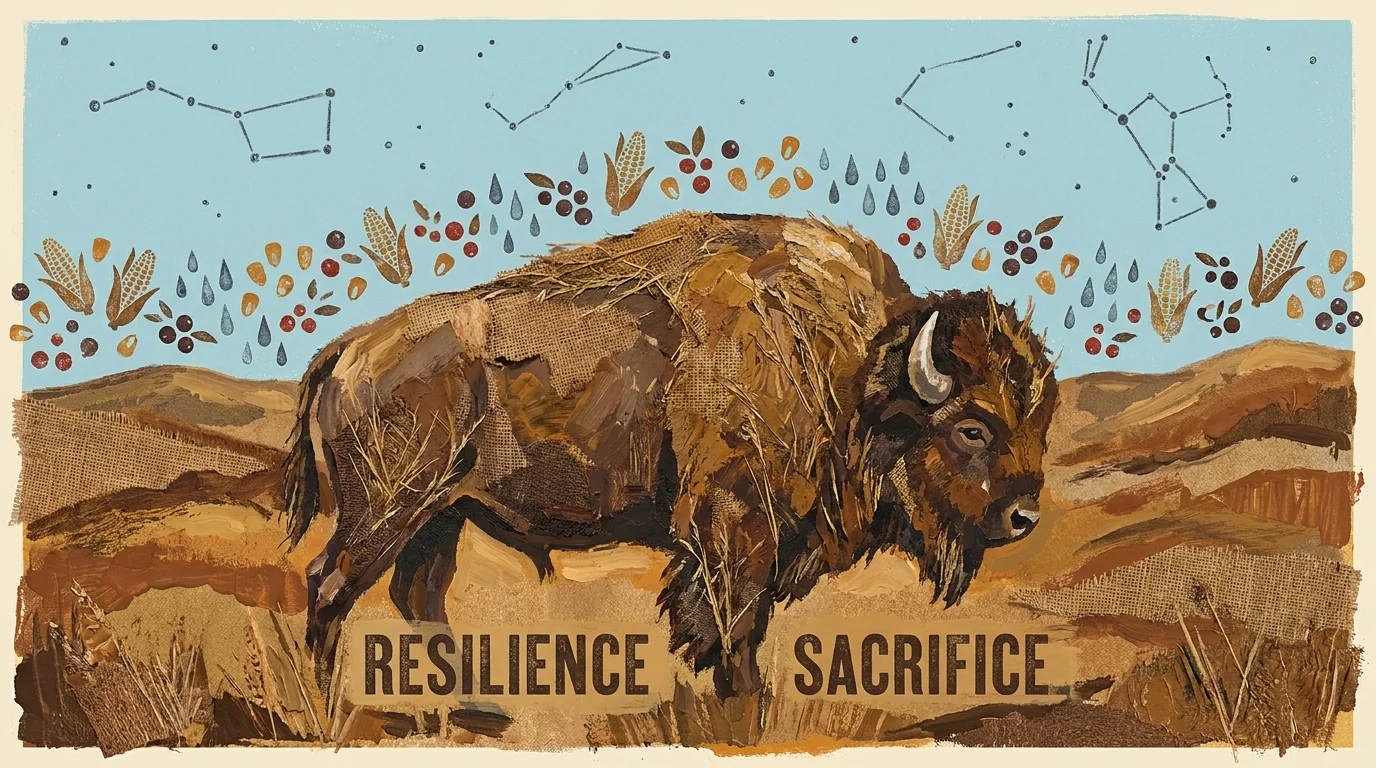
The American Bison: A Symbol of Abundance and Resilience
The American bison (Bison bison) is the heaviest land mammal in North America and a keystone species of the Great Plains. Historically, massive herds numbering between 30 and 60 million animals roamed the continent, shaping the ecosystem by grazing and fertilizing the grasslands. Driven nearly to extinction by the late 19th century, the population plummeted to just over 300 wild individuals before concerted conservation efforts slowly brought their numbers back to roughly 500,000 today.
For the Plains Indians, the bison stands as the ultimate symbol of abundance, provision, and sacrifice. Every part of the animal provided food, clothing, tools, and shelter. In Lakota mythology, the White Buffalo Calf Woman brought the sacred pipe to the people, teaching them how to pray and live in harmony with the earth. The birth of a white bison remains a powerful spiritual omen of hope.
You can actively support the ongoing recovery of this iconic species by visiting preserves managed by indigenous communities or groups like The Nature Conservancy to witness how bison restore grassland ecosystems. When viewing them in national parks, always maintain a respectful distance of at least 25 yards; despite their bulky appearance, bison sprint incredibly fast and will aggressively defend their space.
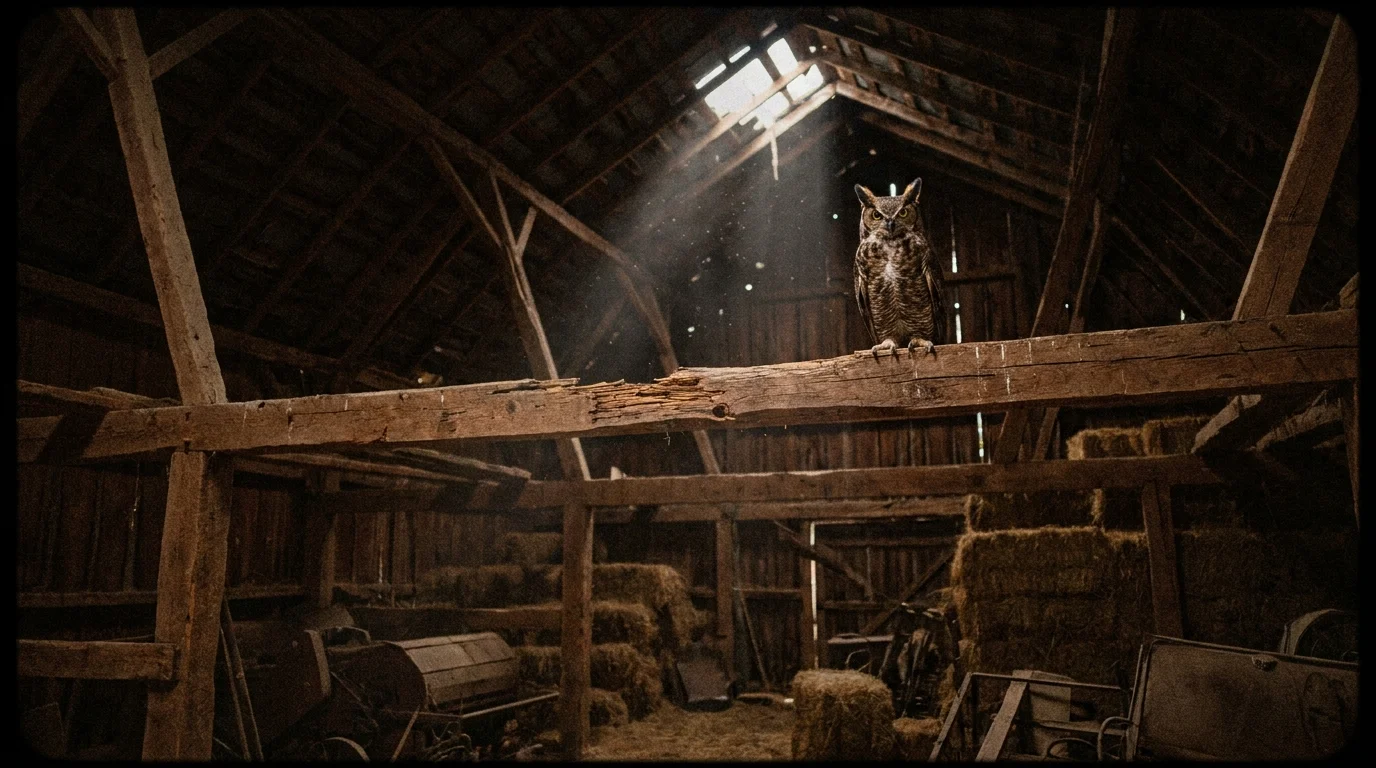
The Great Horned Owl: The Wise Guardian of the Night
The great horned owl (Bubo virginianus) is a master of the night sky, easily recognizable by the distinct feather tufts on its head—known as plumicorns—that resemble small horns. Boasting a wingspan of up to 4.6 feet, this fierce raptor glides silently through forests and deserts across the Americas. Thanks to specially adapted serrated feathers that muffle the sound of their flight, they ambush prey with total stealth. In the wild, these formidable hunters live between 10 and 15 years.
Because of their nocturnal nature and haunting vocalizations, great horned owls hold a prominent place in American folklore. Many Native American tribes view owls as harbingers of death or messengers from the spirit world. In early Appalachian folklore, hearing an owl hoot near your home was interpreted as a grim omen. Yet, other traditions revere the owl as a fierce protector and a symbol of profound wisdom.
You can encourage these magnificent birds to inhabit your property by building and mounting owl nesting boxes. Because great horned owls are voracious predators of rodents, they offer exceptional natural pest control. To protect them, completely eliminate your use of toxic rodenticides; poisoned rats are frequently eaten by owls, causing secondary poisoning that devastates local raptor families.
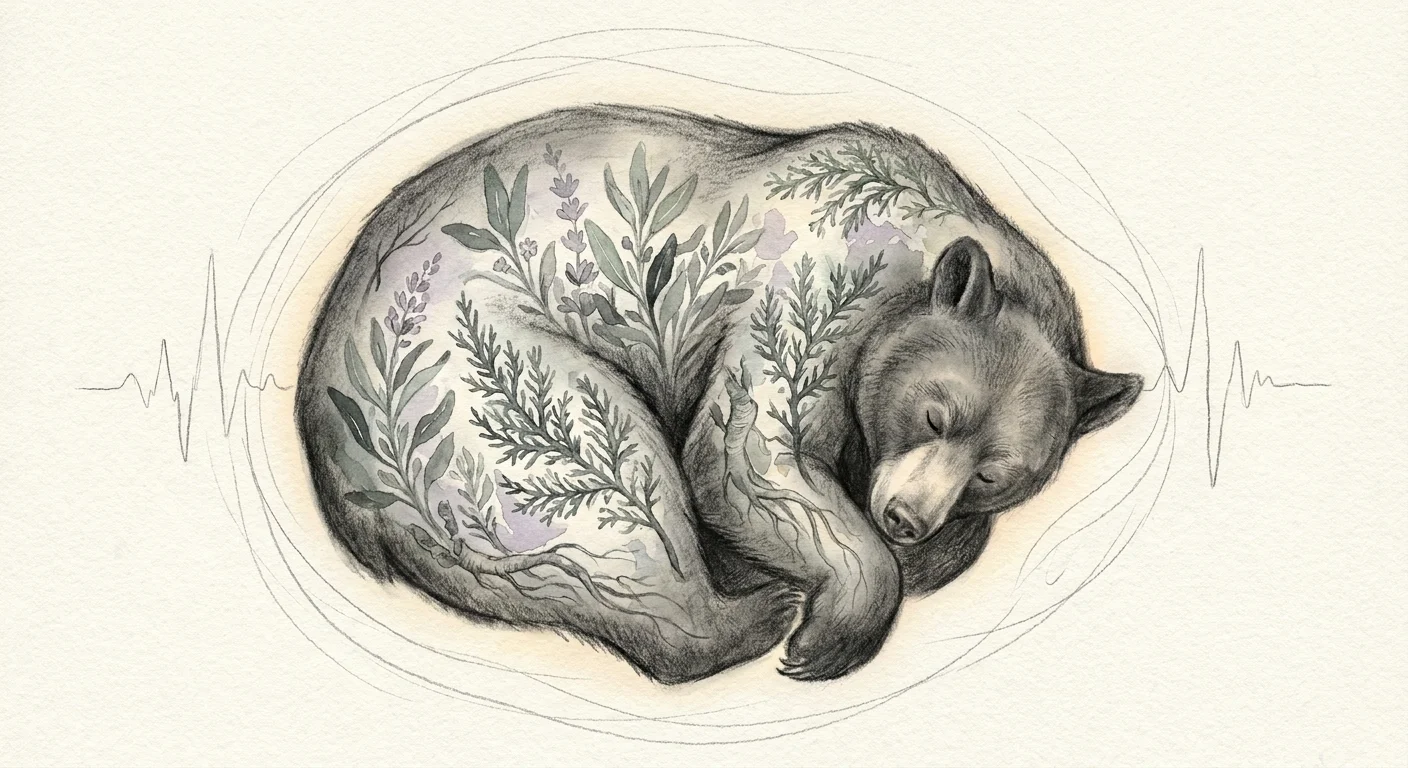
The American Black Bear: The Sleeping Elder of the Forest
The American black bear (Ursus americanus) is a solitary, highly intelligent omnivore that can live up to 30 years in the wild, though human conflict often cuts their lives short to around 10 years. They are excellent climbers and rely on a fascinating survival mechanism for winter: they hibernate in their dens for up to 7 months, surviving solely off stored body fat without eating, drinking, or eliminating waste.
In many indigenous traditions, the bear is regarded as an “elder brother” or a powerful medicine figure. Because bears retreat into caves to hibernate and emerge renewed in the spring, they symbolize introspection, healing, and resurrection. Their ability to stand on two legs and their varied diet made them deeply relatable to early human foragers, blurring the line between animal and ancestor.
When camping or hiking, you must store your food in certified bear-resistant containers. A fed bear quickly loses its fear of humans, leading to dangerous encounters that almost always result in the bear being euthanized. Securing your food and scented items guarantees your safety and preserves the bear’s life.
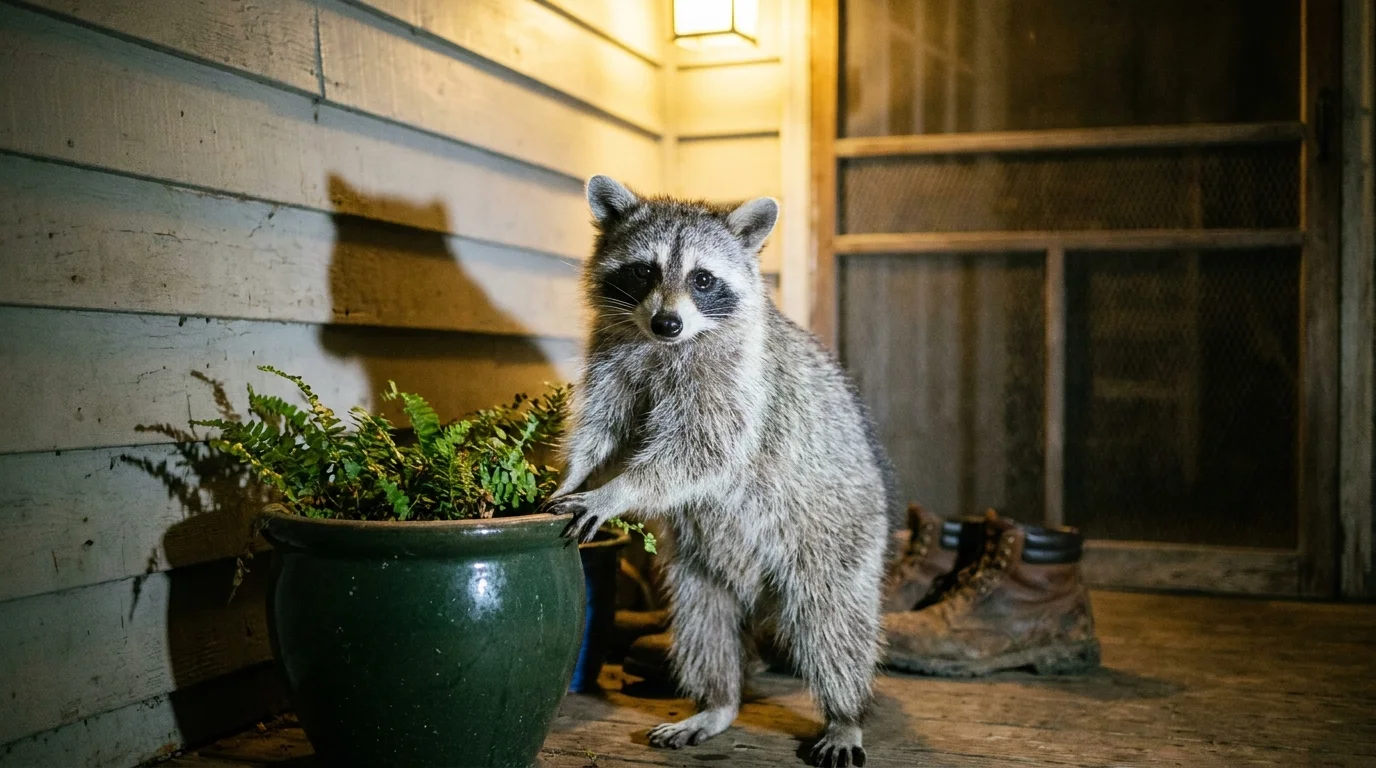
The Raccoon: The Masked Bandit of Mischief
Few animals have adapted to human expansion quite as successfully as the common raccoon (Procyon lotor). Recognized by their bandit-like facial masks and ringed tails, raccoons are highly intelligent mammals capable of remembering the solutions to complex tasks for up to three years. Their extremely dexterous front paws allow them to open latches, untie knots, and manipulate objects with shocking precision.
In the mythologies of several Native American tribes, the raccoon serves as a prominent trickster figure. The Wabanaki people tell stories of Azeban, a mischievous but lighthearted raccoon who uses his wit to outsmart larger predators and acquire food. Early pioneers also wove the raccoon into their folklore, recognizing the animal as a symbol of cleverness, insatiable curiosity, and relentless survival.
If you live in an urban or suburban environment, you will inevitably encounter raccoons searching for an easy meal. You can prevent property damage by securing your trash cans with heavy-duty bungee cords and bringing pet food indoors overnight. To stop these agile climbers from nesting in your home, cap your chimneys and regularly inspect your attic vents for structural vulnerabilities.
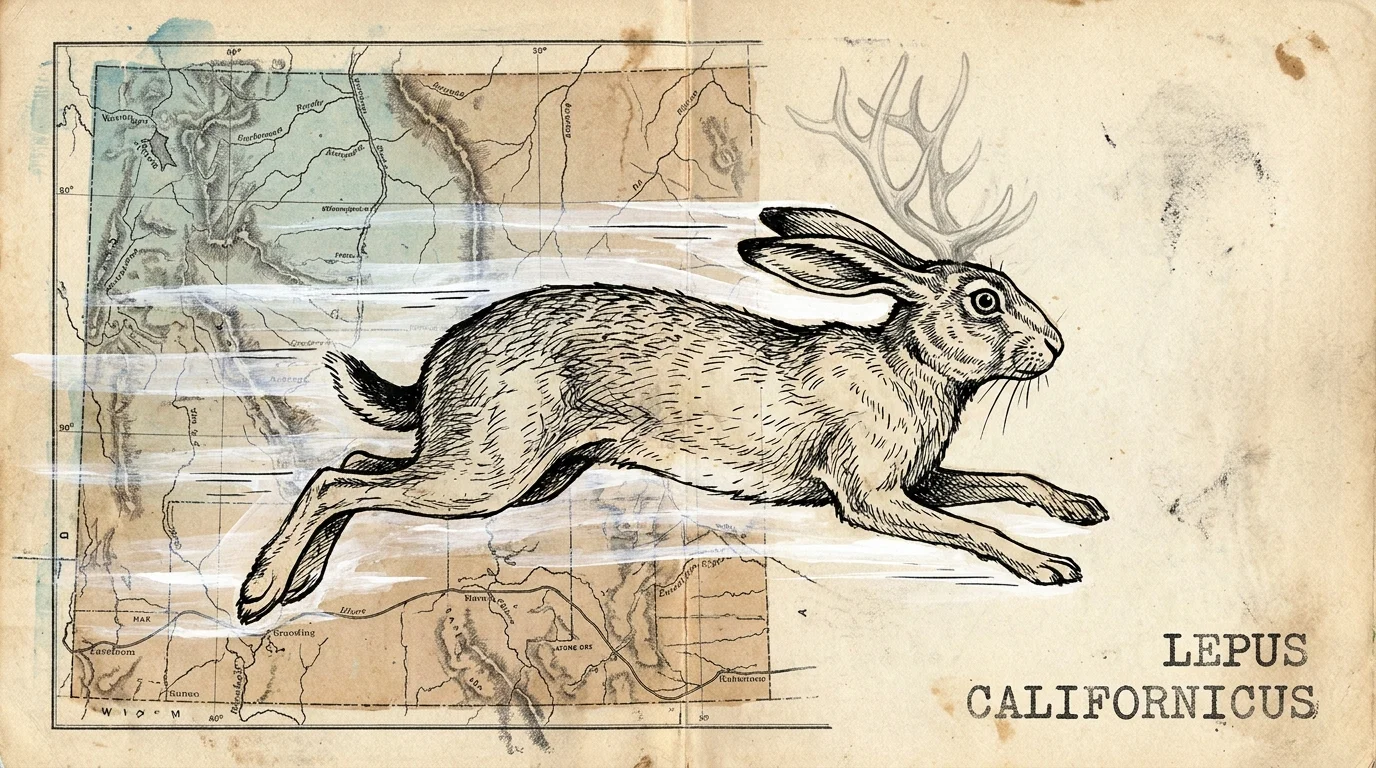
The Black-Tailed Jackrabbit: The Speedster Behind the Jackalope
Despite its name, the black-tailed jackrabbit (Lepus californicus) is actually a hare, uniquely adapted to the harsh conditions of the American West. They feature massive ears filled with blood vessels that expand to release body heat, allowing them to regulate their temperature during scorching desert days. When threatened, they rely on explosive speed, reaching up to 40 miles per hour and leaping 10 feet in a single bound to outmaneuver predators.
The jackrabbit’s blinding speed and erratic zigzag running pattern earned it a spot in numerous folk tales representing agility and evasion. Most famously, the jackrabbit is the biological foundation for the mythical Jackalope—a fearsome creature with the body of a rabbit and the horns of an antelope. Biologists trace this tall tale back to sightings of wild hares afflicted with the Shope papillomavirus, which causes distinct horn-like tumors on the animal’s head.
You can help maintain healthy populations of these fascinating hares by advocating for the preservation of native scrublands and grasslands. Jackrabbits require open space and native brush to hide from birds of prey; protecting local flora directly safeguards the foundation of the desert food web.
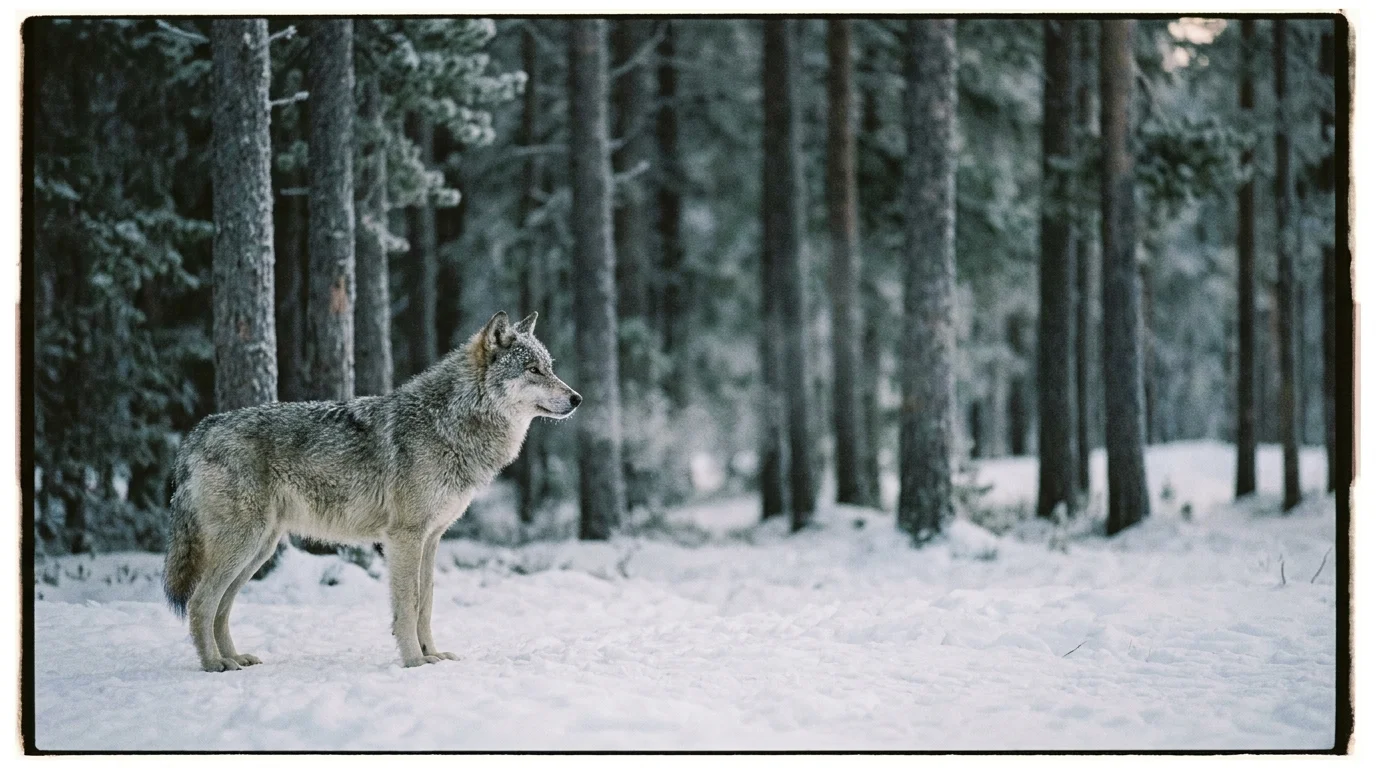
The Gray Wolf: The Loyal Pathfinder
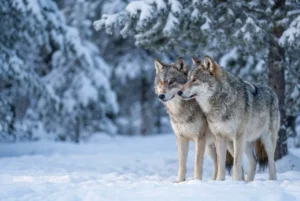
The gray wolf (Canis lupus) possesses a highly complex social structure that closely mirrors human families. Wolves live, travel, and hunt in close-knit packs of 6 to 10 individuals, guided by an alpha male and female who typically mate for life. Capable of running for miles without tiring, a healthy adult wolf requires 5 to 7 pounds of meat daily to survive in the wild.
No animal is as fiercely debated in folklore as the wolf. Indigenous stories often depict the wolf as a noble pathfinder, a loyal brother, and an expert hunter who teaches humans how to survive harsh winters. In stark contrast, European settlers brought with them the myth of the “Big Bad Wolf”—a symbol of untamed wilderness, danger, and deceit. This fear-driven narrative fueled centuries of aggressive hunting that nearly eradicated gray wolves from the lower 48 states.
To ensure wolves remain a vibrant part of our natural heritage, you can advocate for balanced, science-based wildlife management policies in your state. Organizations like the National Wildlife Federation provide excellent resources for promoting coexistence. If you raise livestock, employing non-lethal deterrents—such as fladry lines or livestock guardian dogs—protects your herd while allowing native predators to thrive.
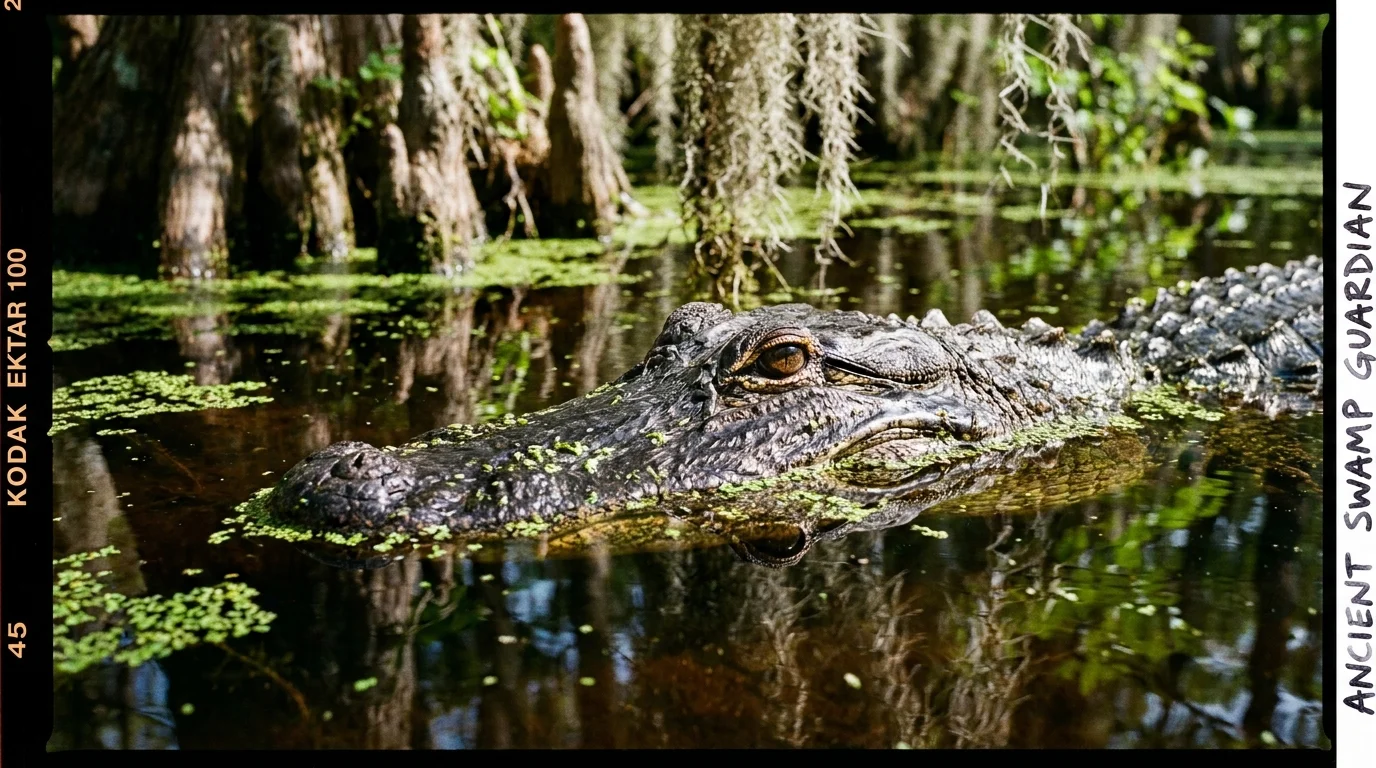
The American Alligator: The Ancient Swamp Guardian
Lurking in the slow-moving waters of the Southeastern United States, the American alligator (Alligator mississippiensis) commands deep respect. Built like armored submarines, these apex predators can boast an astonishing bite force of 2,980 pounds per square inch. While they possess heavy, stocky bodies, alligators are surprisingly agile; they can sprint short distances and even climb chain-link fences or tree trunks when motivated by food or the need to bask in the sun.
In the folklore of Southeastern Native American tribes, the alligator represents primal survival, patience, and unyielding strength. The Choctaw people share legends of the alligator teaching early hunters how to successfully stalk prey, acting as a wise but dangerous guardian of the wetlands. To early European settlers, the alligator became the ultimate monster of the deep South, spawning countless tall tales of swamp beasts that could swallow boats whole.
You can coexist safely with these modern dinosaurs by giving them a wide berth. Never feed a wild alligator; providing food causes them to associate humans with an easy meal, a dangerous shift that almost always results in the animal being lethally removed by wildlife authorities. Keep your pets leashed and well away from the water’s edge, especially during the active spring mating season.
The Enduring Legacy of American Wildlife
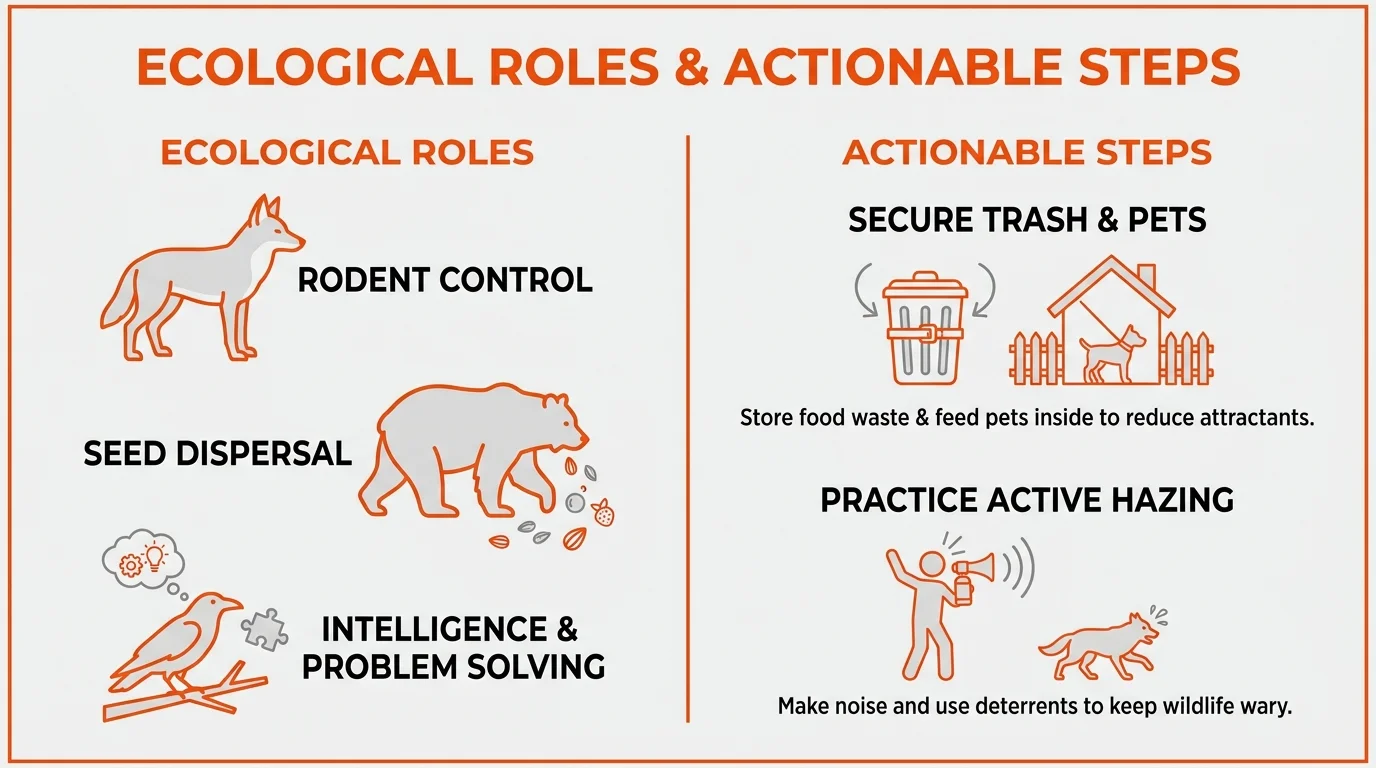
The animals that populate American folklore are far more than just characters in old stories; they are crucial components of the continent’s ecological health. When you look past the myths of tricksters, omens, and monsters, you discover highly adapted species fighting to survive in a rapidly modernizing world. By letting science inform your actions and allowing folklore to inspire your appreciation, you can become a vital advocate for the wild creatures that continue to define the American landscape.